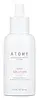
This calming treatment is formulated around Houttuynia Cordata Extract and Centella Asiatica Extract to calm redness.
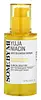
This brightening serum is formulated around Niacinamide and Glycyrrhiza Glabra Root Extract to fade the look of dark spots and brighten dull-looking skin.

What's inside
What's inside
 Key Ingredients
Benefits
Concerns
Ingredients Side-by-side
Citrus Sinensis Peel Oil Expressed
Perfuming



Houttuynia Cordata Extract
Skin Conditioning

Cocos Nucifera Oil
Masking






Althaea Officinalis Leaf/Root Extract
EmollientAnthemis Nobilis Flower Extract
Masking
Foeniculum Vulgare Fruit Extract
EmollientLavandula Angustifolia Flower Extract
Cleansing
Ocimum Basilicum Flower/Leaf Extract
TonicRosmarinus Officinalis Leaf Extract
AntimicrobialHydrogenated Lecithin
Emulsifying
Alcohol
Antimicrobial

Portulaca Oleracea Extract
Skin Conditioning
Centella Asiatica Extract
Cleansing


Cetearyl Alcohol
Emollient
Coco-Caprylate/Caprate
Emollient
Glyceryl Stearate
Emollient
Sodium Ascorbyl Phosphate
Antioxidant



Disodium EDTA
ChelatingCitrus Sinensis Peel Oil Expressed, Houttuynia Cordata Extract, Cocos Nucifera Oil, Althaea Officinalis Leaf/Root Extract, Anthemis Nobilis Flower Extract, Foeniculum Vulgare Fruit Extract, Lavandula Angustifolia Flower Extract, Ocimum Basilicum Flower/Leaf Extract, Rosmarinus Officinalis Leaf Extract, Hydrogenated Lecithin, Alcohol, Portulaca Oleracea Extract, Centella Asiatica Extract, Cetearyl Alcohol, Coco-Caprylate/Caprate, Glyceryl Stearate, Sodium Ascorbyl Phosphate, Disodium EDTA
Citrus Junos Fruit Extract 83%
Skin ConditioningNiacinamide 10%
Smoothing



Caprylic/Capric Triglyceride
Masking
1,2-Hexanediol
Skin Conditioning
Hydrogenated Poly(C6-14 Olefin)
EmollientBisabolol
Antioxidant
Carbomer
Emulsion StabilisingBrassica Campestris Seed Oil
Skin Conditioning
Xanthan Gum
EmulsifyingEthylhexylglycerin
Skin ConditioningAdenosine
Skin Conditioning
Citrus Junos Peel Oil
Astringent
Melia Azadirachta Flower Extract
Skin ConditioningOcimum Sanctum Leaf Extract
Skin ConditioningGlycyrrhiza Glabra Root Extract
Bleaching
Polyglyceryl-3 Diisostearate
Emulsifying
Melia Azadirachta Leaf Extract
Skin ConditioningWater
Skin ConditioningCurcuma Longa Root Extract
Antioxidant
Glycerin
Humectant
Butylene Glycol
Humectant
Althaea Officinalis Root Extract
Skin Conditioning
Oryza Sativa Bran Extract
Skin Conditioning
3-O-Ethyl Ascorbic Acid
Skin Conditioning
Hydrogenated Lecithin
Emulsifying
Ficus Carica Fruit Extract
Humectant
Punica Granatum Fruit Extract
Antioxidant
Morus Alba Fruit Extract
Antioxidant
Ginkgo Biloba Nut Extract
Skin ConditioningTocopherol
Antioxidant
Polyglyceryl-10 Stearate
Skin Conditioning
Panthenol
Skin Conditioning
Sodium Ascorbyl Phosphate
Antioxidant
Biotin
AntiseborrhoeicFolic Acid
Skin ConditioningPyridoxine
Skin ConditioningCyanocobalamin
Skin ConditioningLinoleic Acid
Cleansing
Riboflavin
Cosmetic ColorantBeta-Carotene
Skin ConditioningInositol
Humectant
Thiamine Hcl
MaskingDisodium EDTA
ChelatingLimonene
Perfuming
Linalool
Perfuming
Citrus Junos Fruit Extract 83%, Niacinamide 10%, Caprylic/Capric Triglyceride, 1,2-Hexanediol, Hydrogenated Poly(C6-14 Olefin), Bisabolol, Carbomer, Brassica Campestris Seed Oil, Xanthan Gum, Ethylhexylglycerin, Adenosine, Citrus Junos Peel Oil, Melia Azadirachta Flower Extract, Ocimum Sanctum Leaf Extract, Glycyrrhiza Glabra Root Extract, Polyglyceryl-3 Diisostearate, Melia Azadirachta Leaf Extract, Water, Curcuma Longa Root Extract, Glycerin, Butylene Glycol, Althaea Officinalis Root Extract, Oryza Sativa Bran Extract, 3-O-Ethyl Ascorbic Acid, Hydrogenated Lecithin, Ficus Carica Fruit Extract, Punica Granatum Fruit Extract, Morus Alba Fruit Extract, Ginkgo Biloba Nut Extract, Tocopherol, Polyglyceryl-10 Stearate, Panthenol, Sodium Ascorbyl Phosphate, Biotin, Folic Acid, Pyridoxine, Cyanocobalamin, Linoleic Acid, Riboflavin, Beta-Carotene, Inositol, Thiamine Hcl, Disodium EDTA, Limonene, Linalool
Reviews
Alternatives
Ingredients Explained
These ingredients are found in both products.
Ingredients higher up in an ingredient list are typically present in a larger amount.
Disodium EDTA is a chelating agent. It grabs onto and deactivates metal ions that sneak into your products from water, packaging, or air.
This ingredient mainly works behind the scenes and helps with:
On top of that, this ingredient can counteract the effects of hard water by binding to the minerals in it.
One thing worth knowing is that Disodium EDTA has been shown to be a mild penetration enhancer. It can help other ingredients absorb into skin more effectively which can be a double-edged sword (great for actives, but can also make the active too strong if you have sensitive skin).
Clinical patch testing showed no significant skin irritation at typical use concentrations and minimal dermal absorption.
You'll most likely see this ingredient near the end of an ingredient list. It's typically found in concentrations less than 1%.
Learn more about Disodium EDTAHydrogenated Lecithin is a more stable version of lecithin.
It's made by taking lecithin (a phospholipid commonly found in soybeans and egg yolks) and hydrogenating it. This just means the unsaturated fatty acids are turned into saturated ones so they don't go bad as easily.
This ingredient is an emollient, emulsifier, and penetration enhancer. As an emollient, it helps soften and hydrate skin by trapping moisture within. As an emulsifier, it prevents oil and water ingredients from separating.
Hydrogenated Lecithin can form tiny spherical structures made of phospholipid bilayers called liposomes. These liposomes are able to capture compounds inside their structure and deliver them through the skin barrier.
Because phospholipids are a natural component of our cell membranes, this ingredient is inherently compatible with skin.
A 2021 study found lecithin-based surfactants were less harsh and more tolerable comared to Sodium Lauryl Sulfate (SLS).
Learn more about Hydrogenated LecithinSodium Ascorbyl Phosphate (SAP) is a water-soluble form of Vitamin C. It is the salt of ascorbic acid.
This ingredient is commonly used in skincare because it's more formulation-stable while still offering the same benefits as pure ascorbic acid. Ascorbic acid is notorious for breaking down when exposed to sunlight and oxygen whereas SAP has been shown to be more stable.
Studies show SAP has anti-acne and antioxidant benefits. One study found 5% of SAP lotion to be an effective ingredient for treating acne vulgaris. This is because research shows that SAP may help control acne by reducing acne-causing bacteria and slowing the oxidation of skin oils caused by UV exposure.
In addition to acne, vitamin C is important for skin structure. Lab studies suggest SAP may support collagen production in skin cells, making it a great ingredient in anti-aging routines.
Vitamin C has many benefits: it helps reduce redness, improve skin texture, fade the appearance of dark spots, and brighten the skin.
Read more about other types of Vitamin C:
Learn more about Sodium Ascorbyl Phosphate

