
What's inside
What's inside
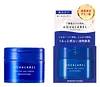 Key Ingredients
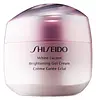
Benefits
Concerns
Ingredients Side-by-side
Potassium Methoxysalicylate
BleachingTocopheryl Acetate
Antioxidant


Glutamic Acid
Humectant
Alanine
Masking
Methionine
Skin ConditioningPEG/PPG-17/4 Dimethyl Ether
Skin ConditioningCamellia Sinensis Leaf Extract
Antimicrobial



Glycine Soja Extract
Skin ConditioningYeast Extract
Skin ConditioningSoluble Collagen
Humectant
Sodium Acetylated Hyaluronate
Humectant
Sodium Hyaluronate
Humectant
Water
Skin ConditioningGlycerin
Humectant
Dipropylene Glycol
HumectantMethicone
Emollient
Tetradecane
Perfuming
Methyl/Phenyl Polysilsesquioxane
Cetyl Ethylhexanoate
EmollientButylene Glycol
Humectant
PEG-9 Polydimethylsiloxyethyl Dimethicone
Emulsifying
Trimethylsiloxysilicate
Emollient
Trehalose
Humectant
Carbomer
Emulsion StabilisingPotassium Hydroxide
BufferingIsohexadecane
EmollientAcrylates/C10-30 Alkyl Acrylate Crosspolymer
Emulsion StabilisingAlcohol
Antimicrobial




Trisodium EDTA
Sodium Metabisulfite
Antioxidant
Sodium Metaphosphate
BufferingPhenoxyethanol
Preservative
Parfum
Masking
CI 77491
Cosmetic ColorantCI 77492
Cosmetic ColorantPotassium Methoxysalicylate, Tocopheryl Acetate, Glutamic Acid, Alanine, Methionine, PEG/PPG-17/4 Dimethyl Ether, Camellia Sinensis Leaf Extract, Glycine Soja Extract, Yeast Extract, Soluble Collagen, Sodium Acetylated Hyaluronate, Sodium Hyaluronate, Water, Glycerin, Dipropylene Glycol, Methicone, Tetradecane, Methyl/Phenyl Polysilsesquioxane, Cetyl Ethylhexanoate, Butylene Glycol, PEG-9 Polydimethylsiloxyethyl Dimethicone, Trimethylsiloxysilicate, Trehalose, Carbomer, Potassium Hydroxide, Isohexadecane, Acrylates/C10-30 Alkyl Acrylate Crosspolymer, Alcohol, Trisodium EDTA, Sodium Metabisulfite, Sodium Metaphosphate, Phenoxyethanol, Parfum, CI 77491, CI 77492
Water
Skin ConditioningButylene Glycol
Humectant
Glycerin
Humectant
Dimethicone
Emollient
Sd Alcohol 40-B
Astringent
Triethylhexanoin
MaskingPEG/PPG-14/7 Dimethyl Ether
Skin ConditioningHydrogenated Polydecene
EmollientBehenyl Alcohol
Emollient
Stearyl Alcohol
Emollient
Myristyl Myristate
Emollient

Glyceryl Stearate Se
Emulsifying
Trehalose
Humectant
Potassium Methoxysalicylate
BleachingPhytosteryl Macadamiate
Skin Conditioning
Methyl Methacrylate Crosspolymer
Polysorbate 60
Emulsifying
PEG-40 Stearate
Emulsifying
Phenoxyethanol
Preservative
Dimethylacrylamide/Sodium Acryloyldimethyltaurate Crosspolymer
Hydrogenated Palm Oil
Emollient
Elaeis Guineensis Kernel Oil
Emollient
Elaeis Guineensis Oil
Emollient
Sorbitan Tristearate
EmulsifyingTrisodium EDTA
Erythritol
Humectant
PEG/PPG-17/4 Dimethyl Ether
Skin ConditioningSodium Citrate
BufferingParfum
Masking
Dipotassium Glycyrrhizate
Humectant
2-O-Ethyl Ascorbic Acid
Skin Conditioning

Alcohol
Antimicrobial
Silica
Abrasive
Xanthan Gum
EmulsifyingCaffeine
Skin Conditioning
Linalool
Perfuming
Citric Acid
Buffering
Sodium Metaphosphate
BufferingPPG-3 Dipivalate
Skin ConditioningHdi/Trimethylol Hexyllactone Crosspolymer
Tocopherol
Antioxidant
Citronellol
Perfuming
Sodium Metabisulfite
Antioxidant
Geraniol
Perfuming
Angelica Keiskei Leaf/Stem Extract
Skin ConditioningLimonene
Perfuming
Paeonia Albiflora Root Extract
Skin ConditioningCrataegus Monogyna Flower Extract
Skin ConditioningAcrylates/C10-30 Alkyl Acrylate Crosspolymer
Emulsion StabilisingFructose
Humectant
Rehmannia Chinensis Root Extract
Skin ConditioningCI 77491
Cosmetic ColorantPrunus Yedoensis Leaf Extract
Skin ConditioningZiziphus Jujuba Fruit Extract
Skin ConditioningPyrola Incarnata Extract
Skin ConditioningPotentilla Erecta Root Extract
Skin ConditioningPolyquaternium-51
Skin Conditioning
Benzoic Acid
Masking
Water, Butylene Glycol, Glycerin, Dimethicone, Sd Alcohol 40-B, Triethylhexanoin, PEG/PPG-14/7 Dimethyl Ether, Hydrogenated Polydecene, Behenyl Alcohol, Stearyl Alcohol, Myristyl Myristate, Glyceryl Stearate Se, Trehalose, Potassium Methoxysalicylate, Phytosteryl Macadamiate, Methyl Methacrylate Crosspolymer, Polysorbate 60, PEG-40 Stearate, Phenoxyethanol, Dimethylacrylamide/Sodium Acryloyldimethyltaurate Crosspolymer, Hydrogenated Palm Oil, Elaeis Guineensis Kernel Oil, Elaeis Guineensis Oil, Sorbitan Tristearate, Trisodium EDTA, Erythritol, PEG/PPG-17/4 Dimethyl Ether, Sodium Citrate, Parfum, Dipotassium Glycyrrhizate, 2-O-Ethyl Ascorbic Acid, Alcohol, Silica, Xanthan Gum, Caffeine, Linalool, Citric Acid, Sodium Metaphosphate, PPG-3 Dipivalate, Hdi/Trimethylol Hexyllactone Crosspolymer, Tocopherol, Citronellol, Sodium Metabisulfite, Geraniol, Angelica Keiskei Leaf/Stem Extract, Limonene, Paeonia Albiflora Root Extract, Crataegus Monogyna Flower Extract, Acrylates/C10-30 Alkyl Acrylate Crosspolymer, Fructose, Rehmannia Chinensis Root Extract, CI 77491, Prunus Yedoensis Leaf Extract, Ziziphus Jujuba Fruit Extract, Pyrola Incarnata Extract, Potentilla Erecta Root Extract, Polyquaternium-51, Benzoic Acid
Ingredients Explained
These ingredients are found in both products.
Ingredients higher up in an ingredient list are typically present in a larger amount.
Acrylates/C10-30 Alkyl Acrylate Crosspolymer is a synthetic polymer. It is used to thicken, emulsify, and improve the texture of products.
As an emulsifier, it helps stabilize oil-in-water emulsions to give products an elegant feel when applied.
It can also form a thin protective film on skin. One study found that a formula using this polymer helped slow down how quickly other ingredients (like DEET) were absorbed through skin.
A 2024 study of over 1,300 patients confirmed that sensitization to this ingredient is rare. It is also non-mutagenic and has a clean track record.
Learn more about Acrylates/C10-30 Alkyl Acrylate CrosspolymerThis ingredient is also called ethanol or ethyl alcohol. It is denatured, meaning made undrinkable for cosmetic use.
In formulas, it:
Is it bad for your skin?
The answer comes down to concentration. Patch and wash studies have found highly concentrated alcohol-based hand rubs (60-100%) cause less barrier disruption than washing with a basic detergent like SLS. The only measurable effect in these studies was a temporary dip in skin hydration.
Concentrations below 12-15% in leave-on cosmetics is generally well-tolerated. Concentrations above start to see increased transepidermal water loss (TEWL) and reduced hydration.
In concentrations about 58%, it creates temporary channels in your skin's lipid layers to become more permeable and allow other ingredients to slip through easily.
This ingredient can be up to 80% of the formula in alcohol-based perfumes.
Overall, this ingredient is probably harmless if found lower down an ingredients list but worth side-eyeing if it's high up (especially if your barrier is already struggling).
Alcohol can worsen dry skin, eczema, and oily skin, especially at higher concentrations. This is because it can increase transepidermal water loss and decrease hydration to disrupt the skin barrier.
According to the National Rosacea Society based in the US, you should be mindful of products with these alcohols in the top half of ingredients.
True allergic contact dermatitis to ethanol is uncommon, but be sure to patch test if you have dry or sensitive skin.
Learn more about AlcoholButylene Glycol (or BG) is used within cosmetic products for a few different reasons:
Overall, Butylene Glycol is a safe and well-rounded ingredient that works well with other ingredients.
Though this ingredient works well with most skin types, some people with sensitive skin may experience a reaction such as allergic rashes, closed comedones, or itchiness.
Learn more about Butylene GlycolCi 77491 is also hydrated iron III oxide. It's sole purpose is to give a red/pink hue to products.
Iron III oxides are classified as inorganic chemicals for coloring.
Synthetically created Ci 77491 is considered safer than those naturally found. This is because the synthetically created version may contain less impurities. Iron oxides are generally non-toxic and non-allergenic.
Learn more about CI 77491Glycerin (or glycerol) is a compound naturally found in your skin. It's a powerhouse humectant that pulls water into the stratum corneum.
Topically, glycerin does several things at once:
Your skin makes glycerin on its own (mostly from sebaceous oil breakdown) and shuttles it to your outermost layer of skin, or your epidermis, via aquaporin-3.
Aquaporin-3 is a transporter that is essential for normal skin hydration, elasticity, and repair. Interestingly, mice lacking in AQP3 have dry and less elastic skin that can be fully corrected with glycerin.
This ingredient is non-irritating, plays well with almost every ingredient, and works across all skin types. Typical use is anywhere between 3-10% but can go up to 79% in some leave-on products.
Just know very high concentrations (>40%) can feel tacky in low humidity.
Glycerin is the name for this ingredient in American English. British English uses Glycerol/Glycerine.
Learn more about GlycerinParfum is a catch-all term for an ingredient or more that is used to give a scent to products.
Also called "fragrance", this ingredient can be a blend of hundreds of chemicals or plant oils. This means every product with "fragrance" or "parfum" in the ingredients list is a different mixture.
For instance, Habanolide is a proprietary trade name for a specific aroma chemical. When used as a fragrance ingredient in cosmetics, most aroma chemicals fall under the broad labeling category of “FRAGRANCE” or “PARFUM” according to EU and US regulations.
The term 'parfum' or 'fragrance' is not regulated in many countries. In many cases, it is up to the brand to define this term.
For instance, many brands choose to label themselves as "fragrance-free" because they are not using synthetic fragrances. However, their products may still contain ingredients such as essential oils that are considered a fragrance by INCI standards.
One example is Calendula flower extract. Calendula is an essential oil that still imparts a scent or 'fragrance'.
Depending on the blend, the ingredients in the mixture can cause allergies and sensitivities on the skin. Some ingredients that are known EU allergens include linalool and citronellol.
Parfum can also be used to mask or cover an unpleasant scent.
The bottom line is: not all fragrances/parfum/ingredients are created equally. If you are worried about fragrances, we recommend taking a closer look at an ingredient. And of course, we always recommend speaking with a professional.
Learn more about ParfumWe don't have a description for PEG/PPG-17/4 Dimethyl Ether yet.
Phenoxyethanol is a preservative that has germicide, antimicrobial, and aromatic properties. Studies show that phenoxyethanol can prevent microbial growth. By itself, it has a scent that is similar to that of a rose.
It's often used in formulations along with Caprylyl Glycol to preserve the shelf life of products.
We don't have a description for Potassium Methoxysalicylate yet.
Sodium metabisulfite is also known as Sodium Pyrosulfite. It is a preservative, antioxidant, and disinfectant.
As a preservative, it helps stabilize cosmetic formulas without affecting their color or scent.
We don't have a description for Sodium Metaphosphate yet.
Trehalose is a disaccharide made of two glucose molecules (glucose is sugar!). Trehalose is used to help moisturize skin. It also has antioxidant properties.
As a humectant, trehalose helps draw moisture from the air to your skin. This helps keep your skin hydrated.
Due to its antioxidant properties, trehalose may help with signs of aging. Antioxidants help fight free-radical molecules, unstable molecules that may damage your skin.
In medicine, trehalose and hyaluronic acid are used to help treat dry eyes.
Some animals, plants, and bacteria create trehalose as a source of energy to survive freeze or lack of water.
Learn more about TrehaloseTrisodium EDTA is one of those quietly essential helper ingredients that most people have never heard of. You'll most likely spot it near the end of ingredient lists in almost every category of skincare.
So what does it actually do?
Its main job is chelation; this is a fancy word to say it grabs onto metal ions and neutralizes them. This is because even purified water in cosmetics contains trace amounts of metals that can cause big problems in a formula.
These trace metals can break down actives faster, cause discoloration, promote rancidity in oils, and make preservatives less effective. Trisodium EDTA binds to these metals and takes them out of the equation so your products can stay stable and effective for longer.
There's also an added bonus: by neutralizing the metals ions that bacteria need to thrive, this ingredient also acts as a preservative booster.
The Cosmetic Ingredient Review has concluded this ingredient to be safe as used in cosmetic formulations. It is not considered an irritant, sensitizer, and is barely absorbed through the skin.
Learn more about Trisodium EDTAWater. It's the most common cosmetic ingredient of all. You'll usually see it at the top of ingredient lists, meaning that it makes up the largest part of the product.
So why is it so popular? Water most often acts as a solvent - this means that it helps dissolve other ingredients into the formulation.
You'll also recognize water as that liquid we all need to stay alive. If you see this, drink a glass of water. Remember to stay hydrated!
Learn more about Water
