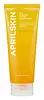
This mild gel cleanser is made to cleanse while calming and soothing your skin.
This betaine salicylate gel cleanser is formulated around Betaine Salicylate to clear breakouts and unclog pores.

What's inside
What's inside
 Key Ingredients
Benefits
Concerns
Ingredients Side-by-side
Water
Skin ConditioningCalendula Officinalis Flower Water
Masking
Sodium Lauroyl Sarcosinate
CleansingCocamidopropyl Betaine
Cleansing



Glycerin
Humectant


Sodium Lauroyl Glutamate
SurfactantLauramide DEA
Foam BoostingDisodium Cocoamphodiacetate
CleansingPEG-120 Methyl Glucose Dioleate
Emulsifying
Sodium Chloride
MaskingCitric Acid
Buffering

Butylene Glycol
Humectant
Panthenol
Skin Conditioning

Beta-Glucan
Skin Conditioning
Chamomilla Recutita Flower Extract
Masking
Centaurea Cyanus Flower Extract
Astringent
Borago Officinalis Extract
Emollient
Lavandula Angustifolia Flower Extract
Cleansing
Lavandula Angustifolia Flower/Leaf/Stem Extract
Masking
Salix Alba Bark Extract
Astringent

Calendula Officinalis Flower
Skin Conditioning
Calendula Officinalis Flower Extract
Masking
Citrus Aurantium Dulcis Peel Oil
Masking
Salicylic Acid
Masking





Hexylene Glycol
Emulsifying1,2-Hexanediol
Skin Conditioning
Sodium Benzoate
Masking
Water, Calendula Officinalis Flower Water, Sodium Lauroyl Sarcosinate, Cocamidopropyl Betaine, Glycerin, Sodium Lauroyl Glutamate, Lauramide DEA, Disodium Cocoamphodiacetate, PEG-120 Methyl Glucose Dioleate, Sodium Chloride, Citric Acid, Butylene Glycol, Panthenol, Beta-Glucan, Chamomilla Recutita Flower Extract, Centaurea Cyanus Flower Extract, Borago Officinalis Extract, Lavandula Angustifolia Flower Extract, Lavandula Angustifolia Flower/Leaf/Stem Extract, Salix Alba Bark Extract, Calendula Officinalis Flower, Calendula Officinalis Flower Extract, Citrus Aurantium Dulcis Peel Oil, Salicylic Acid, Hexylene Glycol, 1,2-Hexanediol, Sodium Benzoate
Water
Skin ConditioningGlycerin
Humectant
Disodium Cocoamphodiacetate
CleansingCoco-Glucoside
Cleansing
Lauryl Glucoside
CleansingSodium Chloride
MaskingTea-Cocoyl Glutamate
Cleansing
Acrylates/C10-30 Alkyl Acrylate Crosspolymer
Emulsion StabilisingHexylene Glycol
EmulsifyingCitric Acid
Buffering
Chlorphenesin
Antimicrobial
Lavandula Angustifolia Oil
Masking
Ethylhexylglycerin
Skin ConditioningButylene Glycol
Humectant
Xanthan Gum
EmulsifyingBetaine Salicylate
Antimicrobial
Saccharide Isomerate
Humectant
1,2-Hexanediol
Skin Conditioning
Caprylyl Glycol
Emollient
Salvia Officinalis Leaf Extract
CleansingSalix Alba Bark Extract
Astringent
Rosmarinus Officinalis Leaf Extract
AntimicrobialMentha Piperita Leaf Extract
Skin ConditioningLavandula Angustifolia Flower Extract
Cleansing
Carica Papaya Fruit Extract
Skin ConditioningAcetyl Hexapeptide-8
Humectant

Tuber Magnatum Extract
Skin ConditioningSodium Citrate
BufferingChamomilla Recutita Flower Extract
Masking
Ocimum Basilicum Flower/Leaf/Stem Extract
TonicMelissa Officinalis Leaf Extract
Skin ConditioningMonarda Didyma Leaf Extract
Skin ConditioningMentha Suaveolens Leaf Extract
AstringentHibiscus Sabdariffa Flower Extract
Skin ConditioningRosa Centifolia Flower Extract
Astringent
Mentha Rotundifolia Leaf Extract
TonicLinalool
Perfuming
Water, Glycerin, Disodium Cocoamphodiacetate, Coco-Glucoside, Lauryl Glucoside, Sodium Chloride, Tea-Cocoyl Glutamate, Acrylates/C10-30 Alkyl Acrylate Crosspolymer, Hexylene Glycol, Citric Acid, Chlorphenesin, Lavandula Angustifolia Oil, Ethylhexylglycerin, Butylene Glycol, Xanthan Gum, Betaine Salicylate, Saccharide Isomerate, 1,2-Hexanediol, Caprylyl Glycol, Salvia Officinalis Leaf Extract, Salix Alba Bark Extract, Rosmarinus Officinalis Leaf Extract, Mentha Piperita Leaf Extract, Lavandula Angustifolia Flower Extract, Carica Papaya Fruit Extract, Acetyl Hexapeptide-8, Tuber Magnatum Extract, Sodium Citrate, Chamomilla Recutita Flower Extract, Ocimum Basilicum Flower/Leaf/Stem Extract, Melissa Officinalis Leaf Extract, Monarda Didyma Leaf Extract, Mentha Suaveolens Leaf Extract, Hibiscus Sabdariffa Flower Extract, Rosa Centifolia Flower Extract, Mentha Rotundifolia Leaf Extract, Linalool
Ingredients Explained
These ingredients are found in both products.
Ingredients higher up in an ingredient list are typically present in a larger amount.
1,2-Hexanediol is a synthetic liquid and another multi-functional powerhouse.
It is a:
- Humectant, drawing moisture into the skin
- Emollient, helping to soften skin
- Solvent, dispersing and stabilizing formulas
- Preservative booster, enhancing the antimicrobial activity of other preservatives
Butylene Glycol (or BG) is used within cosmetic products for a few different reasons:
Overall, Butylene Glycol is a safe and well-rounded ingredient that works well with other ingredients.
Though this ingredient works well with most skin types, some people with sensitive skin may experience a reaction such as allergic rashes, closed comedones, or itchiness.
Learn more about Butylene GlycolChamomilla Recutita Flower Extract comes from the Chamomile flower.
Chamomile is rich in antioxidants and has anti-inflammatory properties. Several compounds found in chamomile help with soothing, such as bisbolol.
Antioxidant components in chamomile make it an effective ingredient to help slow the signs of aging. Antioxidants help fight free-radical molecules, or molecules that may damage your skin.
Essential oils from chamomile have been found to improve wound healing due to its antimicrobial properties.
Ancient Greeks and Egyptians used Chamomile to treat skin redness and dryness. Chamomile has also been used to help treat stomach issues.
Learn more about Chamomilla Recutita Flower ExtractCitric Acid is an alpha hydroxy acid (AHA) naturally found in citrus fruits like oranges, lemons, and limes.
Like other AHAs, citric acid can exfoliate skin by breaking down the bonds that hold dead skin cells together. This helps reveal smoother and brighter skin underneath.
However, this exfoliating effect only happens at high concentrations (20%) which can be hard to find in cosmetic products.
Due to this, citric acid is usually included in small amounts as a pH adjuster. This helps keep products slightly more acidic and compatible with skin's natural pH.
In skincare formulas, citric acid can:
While it can provide some skin benefits, research shows lactic acid and glycolic acid are generally more effective and less irritating exfoliants.
Most citric acid used in skincare today is made by fermenting sugars (usually from molasses). This synthetic version is identical to the natural citrus form but easier to stabilize and use in formulations.
Rosacea skin has a lower threshold for acids generally, with 62.5% of rosacea subjects in one study reacting to lactic acid in a sting test. This is why we mark citric acid as a potential rosacea trigger.
However, this ingredient shows up as a pH adjuster or chelator at roughly 0.1-1% in many products. These low levels are unlikely to be an issue for rosacea skin and becomes a potential trigger at exfoliating concentrations (20%). Because everybody's skin is unique, we recommend a patch test if you are unsure.
Learn more about Citric AcidDisodium Cocoamphodiacetate is a surfactant and helps cleanse skin. It is created from the fatty acids of coconut oil.
Surfactants help rinse oil, dirt, and other pollutants easily from skin. It has a faint fruit-like scent.
Glycerin (or glycerol) is a compound naturally found in your skin. It's a powerhouse humectant that pulls water into the stratum corneum.
Topically, glycerin does several things at once:
Your skin makes glycerin on its own (mostly from sebaceous oil breakdown) and shuttles it to your outermost layer of skin, or your epidermis, via aquaporin-3.
Aquaporin-3 is a transporter that is essential for normal skin hydration, elasticity, and repair. Interestingly, mice lacking in AQP3 have dry and less elastic skin that can be fully corrected with glycerin.
This ingredient is non-irritating, plays well with almost every ingredient, and works across all skin types. Typical use is anywhere between 3-10% but can go up to 79% in some leave-on products.
Just know very high concentrations (>40%) can feel tacky in low humidity.
Glycerin is the name for this ingredient in American English. British English uses Glycerol/Glycerine.
Learn more about GlycerinHexylene Glycol is a multitasker ingredient that works as a solvent, humectant, emulsifier, viscosity reducer, and preservative booster.
It is able to dissolve both water and oil-soluble ingredients to stabilize tricky actives and make products spread more easily.
As a humectant, it pulls water into the skin. But it's a pretty minor moisturizing ingredient compared to other humectants, like glycerin.
Interestingly, it can act as a mild penetration enhancer. One in vitro study on human skin found a 12% concentration upped the absorption of mometasone furoate (a medicinal ingredient used to treat inflammatory skin conditions) up to 7%.
This ingredient is typically used at levels of 0.1-10% depending on the role it's playing.
A patch test study on eczema patients didn't find a significant increase in irritation versus the control group, but the potential for irritation rises at higher concentrations.
Learn more about Hexylene GlycolLavandula Angustifolia Flower Extract comes from the lavender plant.
Many components of lavender flowers are antioxidants, such as ferulic acid, caffeic acid, and several flavonoids.
Traditional Iranian folk medicine uses Lavender extract to help treat inflammation.
Lavender extract may have a scent.
It contains linalool, a known allergen. However, lavender extract contains less linalool than lavender essential oil.
Learn more about Lavandula Angustifolia Flower ExtractSalix Alba Bark Extract comes from the bark of the white willow tree. The official CosIng listing states this ingredient to have astringent, skin conditioning, soothing, and tonic properties.
Its star compound is salicin, a natural glucoside that is chemically related to salicylic acid. That's why you'll often see it marketed as a "natural BHA alternative" but that's a bit of a stretch.
Your skin can't convert salicin to salicylic acid because it needs specific enzymes that aren't present on the skin's surface. It won't behave like true salicylic acid, especially at the concentrations used in cosmetics.
However, this ingredient has its own perks. It contains flavonoids, polyphenols, and tannins that give it proven antioxidant and soothing properties.
An 8-week clinical study found a cream with 2% of this extract improved skin microcirculation, elasticity, and dark circles. This is most likely due to its role in increasing hyaluronic acid synthesis in fibroblasts and improved vascular integrity.
Another study found a topical serum with 0.5% salicin showed improvements in visible signs of aging, hyperpigmentation, and texture.
Just be careful if you have a known aspirin/salicylate allergy and be sure to consult with a medical professional about using this ingredient if you do.
Fun fact: Willow Bark extract has been used for thousands of years and ancient civilizations used white willow to help treat pain and fevers.
Learn more about Salix Alba Bark ExtractChances are, you eat sodium chloride every day. Sodium Chloride is also known as table salt. This ingredient has many purposes in skincare: thickener, emulsifier, and exfoliator.
You'll most likely find this ingredient in cleansers where it is used to create a gel-like texture. As an emulsifier, it also prevents ingredients from separating.
You might see people debate whether Sodium Chloride is comedogenic, but there actually haven't been any comedogenic tests done on it. Either way, the overall formulation of a product matters a lot more than any single ingredient.
You might see this ingredient used in scrubs as a primary exfoliating ingredient.
Learn more about Sodium ChlorideWater. It's the most common cosmetic ingredient of all. You'll usually see it at the top of ingredient lists, meaning that it makes up the largest part of the product.
So why is it so popular? Water most often acts as a solvent - this means that it helps dissolve other ingredients into the formulation.
You'll also recognize water as that liquid we all need to stay alive. If you see this, drink a glass of water. Remember to stay hydrated!
Learn more about Water

