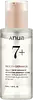
This hydrating serum is formulated around Niacinamide and Oryza Sativa Extract to hydrate skin and strengthen the skin barrier.
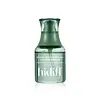
This calming serum is formulated around Panthenol and Centella Asiatica Leaf Extract to calm redness and strengthen the skin barrier.

What's inside
What's inside
 Key Ingredients
Benefits
Concerns
No concerns
Ingredients Side-by-side
Oryza Sativa Bran Water
Masking
Dipropylene Glycol
HumectantGlycerin
Humectant


Methylpropanediol
SolventWater
Skin ConditioningButylene Glycol
Humectant
Methyl Gluceth-10
EmulsifyingNiacinamide
Smoothing









1,2-Hexanediol
Skin Conditioning
Panthenol
Skin Conditioning
Hydroxyethyl Urea
Humectant
Pentylene Glycol
Skin Conditioning
Sodium Polyacrylate
Absorbent
Oryza Sativa Extract
Absorbent
Caprylic/Capric Triglyceride
Masking
Carbomer
Emulsion StabilisingHydrogenated Lecithin
Emulsifying
Ethylhexylglycerin
Skin ConditioningPolyquaternium-51
Skin Conditioning
Adenosine
Skin Conditioning
Allantoin
Skin Conditioning
Sodium Phytate
Xanthan Gum
EmulsifyingCeramide NP
Skin Conditioning
Sodium Hyaluronate
Humectant
Alpha-Arbutin
Antioxidant

Angelica Keiskei Extract
Antioxidant
Corchorus Olitorius Leaf Extract
Skin ConditioningDioscorea Japonica Root Extract
Skin Conditioning
Hibiscus Esculentus Fruit Extract
Skin ConditioningNelumbo Nucifera Root Extract
Skin ConditioningBeta-Glucan
Skin Conditioning
Tocopherol
Antioxidant
Defatted Rice Bran Extract
Antioxidant
Arbutin
Antioxidant
Zinc Stearate
Cosmetic ColorantDefatted Rice Bran
Skin ConditioningOryza Sativa Bran
Abrasive
Hydrolyzed Rice Protein
Skin ConditioningOryza Sativa Seed Protein
Antioxidant
Honey Extract
Humectant
Hyaluronic Acid
Humectant
Hydrolyzed Hyaluronic Acid
Humectant
Oryza Sativa Bran Water, Dipropylene Glycol, Glycerin, Methylpropanediol, Water, Butylene Glycol, Methyl Gluceth-10, Niacinamide, 1,2-Hexanediol, Panthenol, Hydroxyethyl Urea, Pentylene Glycol, Sodium Polyacrylate, Oryza Sativa Extract, Caprylic/Capric Triglyceride, Carbomer, Hydrogenated Lecithin, Ethylhexylglycerin, Polyquaternium-51, Adenosine, Allantoin, Sodium Phytate, Xanthan Gum, Ceramide NP, Sodium Hyaluronate, Alpha-Arbutin, Angelica Keiskei Extract, Corchorus Olitorius Leaf Extract, Dioscorea Japonica Root Extract, Hibiscus Esculentus Fruit Extract, Nelumbo Nucifera Root Extract, Beta-Glucan, Tocopherol, Defatted Rice Bran Extract, Arbutin, Zinc Stearate, Defatted Rice Bran, Oryza Sativa Bran, Hydrolyzed Rice Protein, Oryza Sativa Seed Protein, Honey Extract, Hyaluronic Acid, Hydrolyzed Hyaluronic Acid
Water
Skin ConditioningDipropylene Glycol
HumectantGlycerin
Humectant
Panthenol
Skin Conditioning
Propanediol
Solvent
Glycereth-25 PCA Isostearate
Emulsifying

Tromethamine
BufferingEthylhexylglycerin
Skin ConditioningHydroxyethylcellulose
Emulsion StabilisingXanthan Gum
EmulsifyingZea Mays Kernel Extract
Trisodium Ethylenediamine Disuccinate
Sodium Hyaluronate
Humectant
Hyaluronic Acid
Humectant
Hydrolyzed Hyaluronic Acid
Humectant
Gossypium Herbaceum Fruit Water
MaskingMomordica Charantia Fruit Extract
Skin ConditioningHibiscus Syriacus Bark Extract
Skin ConditioningFructan
Skin ConditioningBambusa Vulgaris Extract
Skin Conditioning
Glucose
Humectant
Hamamelis Virginiana Leaf Extract
Skin Conditioning

Centella Asiatica Leaf Extract
Skin Conditioning
Melaleuca Alternifolia Leaf Extract
Perfuming
Houttuynia Cordata Extract
Skin Conditioning
Glycolic Acid
Buffering

Madecassoside
Antioxidant
Water, Dipropylene Glycol, Glycerin, Panthenol, Propanediol, Glycereth-25 PCA Isostearate, Tromethamine, Ethylhexylglycerin, Hydroxyethylcellulose, Xanthan Gum, Zea Mays Kernel Extract, Trisodium Ethylenediamine Disuccinate, Sodium Hyaluronate, Hyaluronic Acid, Hydrolyzed Hyaluronic Acid, Gossypium Herbaceum Fruit Water, Momordica Charantia Fruit Extract, Hibiscus Syriacus Bark Extract, Fructan, Bambusa Vulgaris Extract, Glucose, Hamamelis Virginiana Leaf Extract, Centella Asiatica Leaf Extract, Melaleuca Alternifolia Leaf Extract, Houttuynia Cordata Extract, Glycolic Acid, Madecassoside
Reviews
Ingredients Explained
These ingredients are found in both products.
Ingredients higher up in an ingredient list are typically present in a larger amount.
Dipropylene Glycol is a synthetically created humectant, stabilizer, and solvent.
This ingredient helps:
Dipropylene glycol is technically an alcohol, but it belongs to the glycol family (often considered part of the ‘good’ alcohols). This means it is hydrating and gentle on skin unlike drying solvent alcohols like denatured alcohol.
As a masking agent, Dipropylene Glycol can be used to cover the smell of other ingredients. However, it does not have a scent.
Studies show Dipropylene Glycol is considered safe to use in skincare.
Learn more about Dipropylene GlycolEthylhexylglycerin is created from glycerin. It is a multitasker ingredient that:
The CIR Expert Panel found minimal skin absorption or sensitization of any kind in a safety assessment. Though this ingredient is considered well-tolerated, a small number of cases of allergic dermatitis have been published since 2002. Just be sure to patch test if you are unsure.
Industry-reported use ranges from 8% in rinse-off products and 2% in leave-on formulations.
Learn more about EthylhexylglycerinGlycerin (or glycerol) is a compound naturally found in your skin. It's a powerhouse humectant that pulls water into the stratum corneum.
Topically, glycerin does several things at once:
Your skin makes glycerin on its own (mostly from sebaceous oil breakdown) and shuttles it to your outermost layer of skin, or your epidermis, via aquaporin-3.
Aquaporin-3 is a transporter that is essential for normal skin hydration, elasticity, and repair. Interestingly, mice lacking in AQP3 have dry and less elastic skin that can be fully corrected with glycerin.
This ingredient is non-irritating, plays well with almost every ingredient, and works across all skin types. Typical use is anywhere between 3-10% but can go up to 79% in some leave-on products.
Just know very high concentrations (>40%) can feel tacky in low humidity.
Glycerin is the name for this ingredient in American English. British English uses Glycerol/Glycerine.
Learn more about GlycerinHyaluronic acid (HA) is a glycosaminoglycan (basically a long sugar chain) that your skin already makes on its own. In your skin, HA lives in the extracellular matrix and acts as the body's moisture reservoir.
Topically, HA is a humectant that binds water and helps skin look more plump, smooth, and hydrated.
The only catch is that HA isn't a single thing; it actually comes in a wide range of molecular weights (~50 - 2,000+ kDA) and size matters.
Some clinical evidence links low molecular weight versions to improved wrinkle depth, elasticity, anti-inflammatory effects, and barrier repair.
This is why the best HA serums blend the two sizes together so you get the best of both worlds.
The majority of cosmetic HA is produced by bacterial fermentation, typically using Streptococcus or Bacillus strains. Typical use levels in skincare sit around 0.1-2%.
A clinical study using a 0.2% low-molecular weight HA gel showed improvement in facial seborrheic dermatitis with excellent tolerance.
These are some other common types of Hyaluronic Acid:
Learn more about Hyaluronic AcidHydrolyzed Hyaluronic Acid is hyaluronic acid (HA) that is broken down into lower molecular weight fragments.
It's a humectant that pulls and holds water in the skin to help with hydration, plumpness, and reduce transepidermal water loss.
Because hydrolyzed hyaluronic acid is smaller in size, it can slip past your outermost layer of skin more easily than full-sized HA.
Most formulations will combine all sizes to get the best of both worlds.
Typical usage levels range from 0.01-1%. Any percentage higher than 2% might become goopy and tacky.
Learn more about Hydrolyzed Hyaluronic AcidPanthenol is a common ingredient that helps hydrate and soothe the skin. It is found naturally in our skin and hair.
There are two forms of panthenol: D and L.
D-panthenol is also known as dexpanthenol. Most cosmetics use dexpanthenol or a mixture of D and L-panthenol.
Panthenol is famous due to its ability to go deeper into the skin's layers. Using this ingredient has numerous pros (and no cons):
Like hyaluronic acid, panthenol is a humectant. Humectants are able to bind and hold large amounts of water to keep skin hydrated.
This ingredient works well for wound healing. It works by increasing tissue in the wound and helps close open wounds.
Once oxidized, panthenol converts to pantothenic acid. Panthothenic acid is found in all living cells.
This ingredient is also referred to as pro-vitamin B5.
Learn more about PanthenolSodium Hyaluronate is the salt form of hyaluronic acid. It is a long sugar chain that is naturally found in your skin, joints, and connective tissue that maintains hydration and elasticity.
In skincare, it works as a humectant. It pulls water from the environment and deeper layers of skin and binds it to the surface.
Interestingly, the size of the molecule affects its behavior:
Some clinical evidence links low molecular weight versions to improved wrinkle depth, elasticity, anti-inflammatory effects, and barrier repair.
Many serums use a blend of both weights so you can get surface hydration plus longer-lasting and deeper effects.
You'll typically see concentrations between 0.1-2% for this ingredient.
Learn more about Sodium HyaluronateWater. It's the most common cosmetic ingredient of all. You'll usually see it at the top of ingredient lists, meaning that it makes up the largest part of the product.
So why is it so popular? Water most often acts as a solvent - this means that it helps dissolve other ingredients into the formulation.
You'll also recognize water as that liquid we all need to stay alive. If you see this, drink a glass of water. Remember to stay hydrated!
Learn more about WaterXanthan gum is used as a stabilizer and thickener within cosmetic products. It helps give products a sticky, thick feeling - preventing them from being too runny.
On the technical side of things, xanthan gum is a polysaccharide - a combination consisting of multiple sugar molecules bonded together.
Xanthan gum is a pretty common and great ingredient. It is a natural, non-toxic, non-irritating ingredient that is also commonly used in food products.
Learn more about Xanthan Gum

