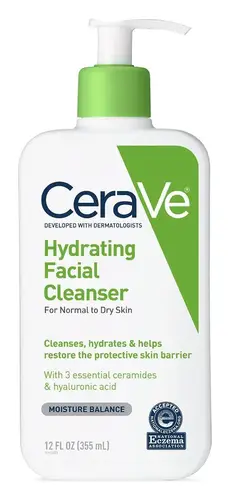
This mild foaming cleanser is made to cleanse without leaving your skin tight or dry.


What's inside
What's inside
 Key Ingredients
Benefits
Concerns
Ingredients Side-by-side
Water
Skin ConditioningDisodium Laureth Sulfosuccinate
CleansingDisodium Cocoamphodiacetate
CleansingGlycerin
Humectant


Sodium Methyl Cocoyl Taurate
Cleansing
Sorbitol
Humectant
Disodium Cocoyl Glutamate
Cleansing
1,2-Hexanediol
Skin Conditioning
Butylene Glycol
Humectant
Sodium Hyaluronate
Humectant


Hyaluronic Acid
Humectant
Hydrogenated Lecithin
Emulsifying
Ceramide NP
Skin Conditioning

Citric Acid
Buffering


Polyglyceryl-10 Laurate
Skin Conditioning
Polyglyceryl-10 Myristate
Skin Conditioning
Methyldihydrojasmonate
MaskingDipropylene Glycol
HumectantIsopropyl Myristate
Emollient



Juniperus Mexicana Wood Oil
Perfuming


Citrus Sinensis Peel Oil Expressed
Perfuming
Cyclamen Aldehyde
Masking
3-Hexenol
Masking
Citrus Aurantium Bergamia Fruit Oil
Masking
Gamma-Undecalactone
Perfuming
Xylitylglucoside
Humectant
Anhydroxylitol
Humectant
Octyldodecanol
Emollient
Xylitol
Humectant
Caprylyl Glycol
Emollient
Disodium EDTA
ChelatingPhenethyl Alcohol
MaskingWater, Disodium Laureth Sulfosuccinate, Disodium Cocoamphodiacetate, Glycerin, Sodium Methyl Cocoyl Taurate, Sorbitol, Disodium Cocoyl Glutamate, 1,2-Hexanediol, Butylene Glycol, Sodium Hyaluronate, Hyaluronic Acid, Hydrogenated Lecithin, Ceramide NP, Citric Acid, Polyglyceryl-10 Laurate, Polyglyceryl-10 Myristate, Methyldihydrojasmonate, Dipropylene Glycol, Isopropyl Myristate, Juniperus Mexicana Wood Oil, Citrus Sinensis Peel Oil Expressed, Cyclamen Aldehyde, 3-Hexenol, Citrus Aurantium Bergamia Fruit Oil, Gamma-Undecalactone, Xylitylglucoside, Anhydroxylitol, Octyldodecanol, Xylitol, Caprylyl Glycol, Disodium EDTA, Phenethyl Alcohol
Water
Skin ConditioningCetearyl Alcohol
Emollient
Glycerin
Humectant
Cocamidopropyl Betaine
Cleansing
Disodium Cocoyl Glutamate
Cleansing
Oryza Sativa Bran Oil
Emollient
Disodium Lauryl Sulfosuccinate
CleansingSodium Cocoyl Isethionate
Cleansing
Zea Mays Starch
Absorbent
Xanthan Gum
EmulsifyingNelumbo Nucifera Flower Extract
Skin ConditioningMadecassoside
Antioxidant

Beta-Glucan
Skin Conditioning
Sodium PCA
Humectant
Panthenol
Skin Conditioning
Lecithin
Emollient
Sclerotium Gum
Emulsion StabilisingPullulan
Dipropylene Glycol
HumectantCoco-Glucoside
Cleansing
Glyceryl Oleate
Emollient
Hydrogenated Castor Oil
Emollient
Piroctone Olamine
Preservative
Caramel
Cosmetic ColorantSodium Chloride
MaskingSorbitan Caprylate
EmulsifyingTitanium Dioxide
Cosmetic Colorant

Sodium Benzoate
Masking
Potassium Sorbate
Preservative
Citric Acid
Buffering
Silica
Abrasive

Water, Cetearyl Alcohol, Glycerin, Cocamidopropyl Betaine, Disodium Cocoyl Glutamate, Oryza Sativa Bran Oil, Disodium Lauryl Sulfosuccinate, Sodium Cocoyl Isethionate, Zea Mays Starch, Xanthan Gum, Nelumbo Nucifera Flower Extract, Madecassoside, Beta-Glucan, Sodium PCA, Panthenol, Lecithin, Sclerotium Gum, Pullulan, Dipropylene Glycol, Coco-Glucoside, Glyceryl Oleate, Hydrogenated Castor Oil, Piroctone Olamine, Caramel, Sodium Chloride, Sorbitan Caprylate, Titanium Dioxide, Sodium Benzoate, Potassium Sorbate, Citric Acid, Silica
Reviews
Ingredients Explained
These ingredients are found in both products.
Ingredients higher up in an ingredient list are typically present in a larger amount.
Citric Acid is an alpha hydroxy acid (AHA) naturally found in citrus fruits like oranges, lemons, and limes.
Like other AHAs, citric acid can exfoliate skin by breaking down the bonds that hold dead skin cells together. This helps reveal smoother and brighter skin underneath.
However, this exfoliating effect only happens at high concentrations (20%) which can be hard to find in cosmetic products.
Due to this, citric acid is usually included in small amounts as a pH adjuster. This helps keep products slightly more acidic and compatible with skin's natural pH.
In skincare formulas, citric acid can:
While it can provide some skin benefits, research shows lactic acid and glycolic acid are generally more effective and less irritating exfoliants.
Most citric acid used in skincare today is made by fermenting sugars (usually from molasses). This synthetic version is identical to the natural citrus form but easier to stabilize and use in formulations.
Rosacea skin has a lower threshold for acids generally, with 62.5% of rosacea subjects in one study reacting to lactic acid in a sting test. This is why we mark citric acid as a potential rosacea trigger.
However, this ingredient shows up as a pH adjuster or chelator at roughly 0.1-1% in many products. These low levels are unlikely to be an issue for rosacea skin and becomes a potential trigger at exfoliating concentrations (20%). Because everybody's skin is unique, we recommend a patch test if you are unsure.
Learn more about Citric AcidDipropylene Glycol is a synthetically created humectant, stabilizer, and solvent.
This ingredient helps:
Dipropylene glycol is technically an alcohol, but it belongs to the glycol family (often considered part of the ‘good’ alcohols). This means it is hydrating and gentle on skin unlike drying solvent alcohols like denatured alcohol.
As a masking agent, Dipropylene Glycol can be used to cover the smell of other ingredients. However, it does not have a scent.
Studies show Dipropylene Glycol is considered safe to use in skincare.
Learn more about Dipropylene GlycolWe don't have a description for Disodium Cocoyl Glutamate yet.
Glycerin (or glycerol) is a compound naturally found in your skin. It's a powerhouse humectant that pulls water into the stratum corneum.
Topically, glycerin does several things at once:
Your skin makes glycerin on its own (mostly from sebaceous oil breakdown) and shuttles it to your outermost layer of skin, or your epidermis, via aquaporin-3.
Aquaporin-3 is a transporter that is essential for normal skin hydration, elasticity, and repair. Interestingly, mice lacking in AQP3 have dry and less elastic skin that can be fully corrected with glycerin.
This ingredient is non-irritating, plays well with almost every ingredient, and works across all skin types. Typical use is anywhere between 3-10% but can go up to 79% in some leave-on products.
Just know very high concentrations (>40%) can feel tacky in low humidity.
Glycerin is the name for this ingredient in American English. British English uses Glycerol/Glycerine.
Learn more about GlycerinWater. It's the most common cosmetic ingredient of all. You'll usually see it at the top of ingredient lists, meaning that it makes up the largest part of the product.
So why is it so popular? Water most often acts as a solvent - this means that it helps dissolve other ingredients into the formulation.
You'll also recognize water as that liquid we all need to stay alive. If you see this, drink a glass of water. Remember to stay hydrated!
Learn more about Water