
What's inside
What's inside
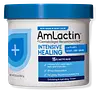 Key Ingredients
Benefits
Concerns
Ingredients Side-by-side
Water
Skin ConditioningAmmonium Lactate
Buffering
Potassium Lactate
BufferingSodium Lactate
Buffering
Cetearyl Alcohol
Emollient




Cetyl Alcohol
Emollient
Glyceryl Stearate
Emollient
Dimethicone
Emollient

Propanediol
Solvent
Glycerin
Humectant
Isostearyl Isostearate
Emollient
Paraffinum Liquidum
Emollient
Hydroxyethyl Acrylate/Sodium Acryloyldimethyl Taurate Copolymer
Emulsion StabilisingPolysorbate 60
Emulsifying
Petrolatum
Emollient
PEG-75 Stearate
Surfactant
Caprylyl Glycol
Emollient
1,2-Hexanediol
Skin Conditioning
Polyisobutene
Ceteth-20
CleansingSteareth-20
CleansingTocopheryl Acetate
Antioxidant


PEG-7 Trimethylolpropane Coconut Ether
Emulsifying
Sodium Lauroyl Lactylate
EmulsifyingCeramide NP
Skin Conditioning



Ceramide AP
Skin Conditioning
Phytosphingosine
Skin Conditioning
Cholesterol
Emollient
Xanthan Gum
EmulsifyingCarbomer
Emulsion StabilisingCeramide EOP
Skin Conditioning
Water, Ammonium Lactate, Potassium Lactate, Sodium Lactate, Cetearyl Alcohol, Cetyl Alcohol, Glyceryl Stearate, Dimethicone, Propanediol, Glycerin, Isostearyl Isostearate, Paraffinum Liquidum, Hydroxyethyl Acrylate/Sodium Acryloyldimethyl Taurate Copolymer, Polysorbate 60, Petrolatum, PEG-75 Stearate, Caprylyl Glycol, 1,2-Hexanediol, Polyisobutene, Ceteth-20, Steareth-20, Tocopheryl Acetate, PEG-7 Trimethylolpropane Coconut Ether, Sodium Lauroyl Lactylate, Ceramide NP, Ceramide AP, Phytosphingosine, Cholesterol, Xanthan Gum, Carbomer, Ceramide EOP
Water
Skin ConditioningUrea
Buffering

Lactic Acid
Buffering




Butyrospermum Parkii Butter
Skin Conditioning
Myristyl Myristate
Emollient
Hydroxyethyl Acrylate/Sodium Acryloyldimethyl Taurate Copolymer
Emulsion StabilisingSodium Hydroxide
BufferingDimethicone
Emollient
Squalane
Emollient
Retinol
Skin Conditioning

Triethyl Citrate
Masking
Glycerin
Humectant
Microcrystalline Cellulose
AbsorbentPolysorbate 80
Emulsifying
Sodium Stearoyl Glutamate
CleansingPolysorbate 20
Emulsifying
Cellulose Gum
Emulsion StabilisingCaprylyl Glycol
Emollient
Caprylic/Capric Triglyceride
Masking
Polyglyceryl-10 Dioleate
Emulsifying
Sorbitan Isostearate
Emulsifying
Ethylhexylglycerin
Skin ConditioningHexylene Glycol
EmulsifyingSodium Citrate
BufferingPolyglyceryl-10 Dipalmitate
Emollient
Ceramide NP
Skin Conditioning
Curcuma Longa Root Extract
Masking
Phenoxyethanol
Preservative
Water, Urea, Lactic Acid, Butyrospermum Parkii Butter, Myristyl Myristate, Hydroxyethyl Acrylate/Sodium Acryloyldimethyl Taurate Copolymer, Sodium Hydroxide, Dimethicone, Squalane, Retinol, Triethyl Citrate, Glycerin, Microcrystalline Cellulose, Polysorbate 80, Sodium Stearoyl Glutamate, Polysorbate 20, Cellulose Gum, Caprylyl Glycol, Caprylic/Capric Triglyceride, Polyglyceryl-10 Dioleate, Sorbitan Isostearate, Ethylhexylglycerin, Hexylene Glycol, Sodium Citrate, Polyglyceryl-10 Dipalmitate, Ceramide NP, Curcuma Longa Root Extract, Phenoxyethanol
Reviews
Ingredients Explained
These ingredients are found in both products.
Ingredients higher up in an ingredient list are typically present in a larger amount.
Caprylyl Glycol is a humectant, skin conditioner, emollient, and preservative booster derived from either caprylic acid or synthetically created.
Typical use levels vary from 0.3-1% as a preservative booster and go up to 2% to condition skin.
Because it is not a free-fatty acid, this ingredient is fungal acne safe (there's nothing for Malassezia to feed on).
Learn more about Caprylyl GlycolCeramide NP (formerly known as Ceramide 3) is one of the skin's naturally occurring lipids.
Since ceramides are the major lipid components of the skin, they are crucial for maintaining skin barrier and hydration. Ceramide NP most closely mirrors the dominant kind in human skin amongst ceramide subtypes.
This ceramide works by slotting into gaps within the stratum corneum's lipid matrix to limit trans-epidermal water loss (TEWL) and shield the skin against external irritants.
A study with 312 patients found that using a ceramide-containing routine for 4 weeks reduced the severity of atopic dermatitis by over 61%.
Another clinical study in subjects aged 60 and older found that a ceramide body wash and moisturizer improved skin dryness and itchy skin in 15 days.
Overall, ceramides are considered non-irritating and safety tests have found little to no observable adverse effects from using this ingredient.
Ceramide NP is usually sourced from plants (like soybean or rice bran), or produced synthetically.
Learn more about Ceramide NPDimethicone is a type of synthetic silicone created from natural materials such as quartz. It is also known as polydimethylsiloxane.
What it does:
Dimethicone comes in different viscosities:
Depending on the viscosity, dimethicone has different properties.
Ingredients lists don't always show which type is used, so we recommend reaching out to the brand if you have questions about the viscosity.
This ingredient is unlikely to cause irritation because it does not get absorbed into skin. However, people with silicone allergies should be careful about using this ingredient.
Note: Dimethicone may contribute to pilling. This is because it is not oil or water soluble, so pilling may occur when layered with products. When mixed with heavy oils in a formula, the outcome is also quite greasy.
Learn more about DimethiconeGlycerin (or glycerol) is a compound naturally found in your skin. It's a powerhouse humectant that pulls water into the stratum corneum.
Topically, glycerin does several things at once:
Your skin makes glycerin on its own (mostly from sebaceous oil breakdown) and shuttles it to your outermost layer of skin, or your epidermis, via aquaporin-3.
Aquaporin-3 is a transporter that is essential for normal skin hydration, elasticity, and repair. Interestingly, mice lacking in AQP3 have dry and less elastic skin that can be fully corrected with glycerin.
This ingredient is non-irritating, plays well with almost every ingredient, and works across all skin types. Typical use is anywhere between 3-10% but can go up to 79% in some leave-on products.
Just know very high concentrations (>40%) can feel tacky in low humidity.
Glycerin is the name for this ingredient in American English. British English uses Glycerol/Glycerine.
Learn more about GlycerinThis is a synthetic polymer. It helps improve the texture of products by adding thickness and gel-like feel.
It is also an emulsifer, meaning it prevents ingredients such as oil and water from separating. It also helps evenly disperse other ingredients.
Water. It's the most common cosmetic ingredient of all. You'll usually see it at the top of ingredient lists, meaning that it makes up the largest part of the product.
So why is it so popular? Water most often acts as a solvent - this means that it helps dissolve other ingredients into the formulation.
You'll also recognize water as that liquid we all need to stay alive. If you see this, drink a glass of water. Remember to stay hydrated!
Learn more about Water
