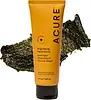
This smoothing exfoliator is formulated around Gluconolactone to refine skin texture and brighten dull-looking skin.
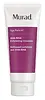
This salicylic acid cream cleanser is formulated around Salicylic Acid to clear breakouts and unclog pores.

What's inside
What's inside
 Key Ingredients
Benefits
Concerns
Ingredients Side-by-side
Water
Skin ConditioningGlycerin
Humectant


Juglans Regia Shell Powder
Abrasive

Citrus Limon Peel
MaskingAloe Barbadensis Leaf Juice
Skin Conditioning

Sodium Methyl Cocoyl Taurate
Cleansing
Laminaria Digitata Extract
Skin Protecting

Montmorillonite
AbsorbentRubus Fruticosus Fruit Extract
AstringentChamomilla Recutita Flower Extract
Masking
Euterpe Oleracea Fruit Extract
Rosa Canina Fruit Extract
Astringent
Calendula Officinalis Flower Extract
Masking
Aspalathus Linearis Leaf Extract
Skin ConditioningPunica Granatum Extract
AstringentOlea Europaea Fruit Oil
Masking


Argania Spinosa Callus Culture Extract
Skin ConditioningMentha Viridis Leaf Oil
Astringent
Salvia Officinalis Oil
Masking
Cymbopogon Flexuosus Leaf Oil
Masking
Lavandula Hybrida Oil
Emollient
Sodium PCA
Humectant
Kaolin
Abrasive


Lecithin
Emollient
Isomalt
HumectantCellulose Gum
Emulsion StabilisingCarrageenan

Glyceryl Laurate
Emollient
Sodium Lauroyl Lactylate
EmulsifyingSodium Lauroamphoacetate
CleansingSodium Cocoyl Isethionate
Cleansing
Illite
Abrasive
Gluconolactone
Chelating



Ethylhexylglycerin
Skin ConditioningPotassium Sorbate
Preservative
Phenethyl Alcohol
MaskingChlorophyllin-Copper Complex
Antioxidant
Water, Glycerin, Juglans Regia Shell Powder, Citrus Limon Peel, Aloe Barbadensis Leaf Juice, Sodium Methyl Cocoyl Taurate, Laminaria Digitata Extract, Montmorillonite, Rubus Fruticosus Fruit Extract, Chamomilla Recutita Flower Extract, Euterpe Oleracea Fruit Extract, Rosa Canina Fruit Extract, Calendula Officinalis Flower Extract, Aspalathus Linearis Leaf Extract, Punica Granatum Extract, Olea Europaea Fruit Oil, Argania Spinosa Callus Culture Extract, Mentha Viridis Leaf Oil, Salvia Officinalis Oil, Cymbopogon Flexuosus Leaf Oil, Lavandula Hybrida Oil, Sodium PCA, Kaolin, Lecithin, Isomalt, Cellulose Gum, Carrageenan, Glyceryl Laurate, Sodium Lauroyl Lactylate, Sodium Lauroamphoacetate, Sodium Cocoyl Isethionate, Illite, Gluconolactone, Ethylhexylglycerin, Potassium Sorbate, Phenethyl Alcohol, Chlorophyllin-Copper Complex
Water
Skin ConditioningSodium C14-16 Olefin Sulfonate
Cleansing
Jojoba Esters
Emollient
Cocamidopropyl Betaine
Cleansing
Acrylates Copolymer
Glycol Stearate
Emollient
Propanediol
Solvent
Glycolic Acid
Buffering
Lactic Acid
Buffering
Salicylic Acid
Masking

Dipotassium Glycyrrhizate
Humectant
Sodium Ascorbyl Phosphate
Antioxidant
Sodium PCA
Humectant
Urea
Buffering
Yeast Amino Acids
HumectantTrehalose
Humectant
Inositol
Humectant
Taurine
BufferingBetaine
Humectant
Citric Acid
Buffering
Sodium Hydroxide
BufferingPolyquaternium-4
Sodium Chloride
MaskingTetrasodium Glutamate Diacetate
ChelatingTetrasodium EDTA
ChelatingLeuconostoc/Radish Root Ferment Filtrate
Antimicrobial
Tocopherol
Antioxidant
Ethylhexylglycerin
Skin ConditioningChlorphenesin
Antimicrobial
Sodium Benzoate
Masking
Water, Sodium C14-16 Olefin Sulfonate, Jojoba Esters, Cocamidopropyl Betaine, Acrylates Copolymer, Glycol Stearate, Propanediol, Glycolic Acid, Lactic Acid, Salicylic Acid, Dipotassium Glycyrrhizate, Sodium Ascorbyl Phosphate, Sodium PCA, Urea, Yeast Amino Acids, Trehalose, Inositol, Taurine, Betaine, Citric Acid, Sodium Hydroxide, Polyquaternium-4, Sodium Chloride, Tetrasodium Glutamate Diacetate, Tetrasodium EDTA, Leuconostoc/Radish Root Ferment Filtrate, Tocopherol, Ethylhexylglycerin, Chlorphenesin, Sodium Benzoate
Reviews
Alternatives
Ingredients Explained
These ingredients are found in both products.
Ingredients higher up in an ingredient list are typically present in a larger amount.
Ethylhexylglycerin is created from glycerin. It is a multitasker ingredient that:
The CIR Expert Panel found minimal skin absorption or sensitization of any kind in a safety assessment. Though this ingredient is considered well-tolerated, a small number of cases of allergic dermatitis have been published since 2002. Just be sure to patch test if you are unsure.
Industry-reported use ranges from 8% in rinse-off products and 2% in leave-on formulations.
Learn more about EthylhexylglycerinSodium PCA (the salt of PCA) is one of the most well-established humectants in skincare.
Why is it so special? Your skin already makes it naturally; it's a natural component of your skin's Natural Moisturizing Factor (NMF), or the mix of water-binding compounds inside your skin cells that keeps things soft and hydrated.
As a cosmetic ingredient, it grabs water and holds it in the upper layers of skin to smooth roughness and ease dehydration.
There's some clinical support for the NMF approach with a study showing that a cream built to mimic the skin's NMF significantly boosted hydration.
Safety-wise, this ingredient non-irritating, non-comedogenic, and non-phototoxic in testing, with minimal skin absorption.
It also works really well with other hydrators like glycerin or hyaluronic acid, and typical usage is somewhere between 0.2-4%.
Learn more about Sodium PCAWater. It's the most common cosmetic ingredient of all. You'll usually see it at the top of ingredient lists, meaning that it makes up the largest part of the product.
So why is it so popular? Water most often acts as a solvent - this means that it helps dissolve other ingredients into the formulation.
You'll also recognize water as that liquid we all need to stay alive. If you see this, drink a glass of water. Remember to stay hydrated!
Learn more about Water

