
What's inside
What's inside
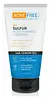 Key Ingredients
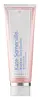
Benefits
Concerns
Ingredients Side-by-side
Sulfur 3.5%
Antiseborrhoeic



Water
Skin ConditioningGlycerin
Humectant


Propylene Glycol
Humectant

Cocamidopropyl Hydroxysultaine
Cleansing
Sodium C14-16 Olefin Sulfonate
Cleansing
Xanthan Gum
EmulsifyingAcacia Senegal Gum
MaskingPhenoxyethanol
Preservative
Caprylyl Glycol
Emollient
Citric Acid
Buffering

Citrus Limon Peel Oil
Masking



Limonene
Perfuming
Potassium Hydroxide
BufferingEthylhexylglycerin
Skin ConditioningHexylene Glycol
EmulsifyingSodium Hyaluronate
Humectant


Niacinamide
Smoothing





Sodium Sulfate
Avena Sativa Bran Extract
Abrasive
Sodium Lauroyl Lactylate
EmulsifyingGlycolic Acid
Buffering
Calendula Officinalis Flower Extract
Masking
Ceramide NP
Skin Conditioning
Ceramide AP
Skin Conditioning
Phytosphingosine
Skin Conditioning
Cholesterol
Emollient
Carbomer
Emulsion StabilisingCeramide EOP
Skin Conditioning
Sulfur 3.5%, Water, Glycerin, Propylene Glycol, Cocamidopropyl Hydroxysultaine, Sodium C14-16 Olefin Sulfonate, Xanthan Gum, Acacia Senegal Gum, Phenoxyethanol, Caprylyl Glycol, Citric Acid, Citrus Limon Peel Oil, Limonene, Potassium Hydroxide, Ethylhexylglycerin, Hexylene Glycol, Sodium Hyaluronate, Niacinamide, Sodium Sulfate, Avena Sativa Bran Extract, Sodium Lauroyl Lactylate, Glycolic Acid, Calendula Officinalis Flower Extract, Ceramide NP, Ceramide AP, Phytosphingosine, Cholesterol, Carbomer, Ceramide EOP
Sulfur 3%
Antiseborrhoeic
Water
Skin ConditioningSodium Cocoyl Isethionate
Cleansing
Coco-Glucoside
Cleansing
Acrylates Copolymer
Cetearyl Alcohol
Emollient

Glycereth-18 Ethylhexanoate
Skin ConditioningGlycereth-18
HumectantStearyl Alcohol
Emollient
Honey Extract
Humectant
Oryza Sativa Bran Extract
Skin Conditioning
Avena Sativa Kernel Extract
Abrasive
Oligopeptide-10
Antimicrobial
Boswellia Serrata Extract
Skin Conditioning
Behenyl Alcohol
Emollient
Glycerin
Humectant
Xanthan Gum
EmulsifyingCaprylyl Glycol
Emollient
Hexylene Glycol
EmulsifyingButylene Glycol
Humectant
Phenoxyethanol
Preservative
Parfum
Masking
Citric Acid
Buffering
Sodium Hydroxide
BufferingEthylhexylglycerin
Skin ConditioningDisodium EDTA
ChelatingDisodium Carboxyethyl Siliconate
Skin ConditioningLinalool
Perfuming
Potassium Sorbate
Preservative
Sodium Benzoate
Masking
CI 77891
Cosmetic ColorantCI 77491
Cosmetic ColorantSulfur 3%, Water, Sodium Cocoyl Isethionate, Coco-Glucoside, Acrylates Copolymer, Cetearyl Alcohol, Glycereth-18 Ethylhexanoate, Glycereth-18, Stearyl Alcohol, Honey Extract, Oryza Sativa Bran Extract, Avena Sativa Kernel Extract, Oligopeptide-10, Boswellia Serrata Extract, Behenyl Alcohol, Glycerin, Xanthan Gum, Caprylyl Glycol, Hexylene Glycol, Butylene Glycol, Phenoxyethanol, Parfum, Citric Acid, Sodium Hydroxide, Ethylhexylglycerin, Disodium EDTA, Disodium Carboxyethyl Siliconate, Linalool, Potassium Sorbate, Sodium Benzoate, CI 77891, CI 77491
Reviews
Ingredients Explained
These ingredients are found in both products.
Ingredients higher up in an ingredient list are typically present in a larger amount.
Caprylyl Glycol is a humectant, skin conditioner, emollient, and preservative booster derived from either caprylic acid or synthetically created.
Typical use levels vary from 0.3-1% as a preservative booster and go up to 2% to condition skin.
Because it is not a free-fatty acid, this ingredient is fungal acne safe (there's nothing for Malassezia to feed on).
Learn more about Caprylyl GlycolCitric Acid is an alpha hydroxy acid (AHA) naturally found in citrus fruits like oranges, lemons, and limes.
Like other AHAs, citric acid can exfoliate skin by breaking down the bonds that hold dead skin cells together. This helps reveal smoother and brighter skin underneath.
However, this exfoliating effect only happens at high concentrations (20%) which can be hard to find in cosmetic products.
Due to this, citric acid is usually included in small amounts as a pH adjuster. This helps keep products slightly more acidic and compatible with skin's natural pH.
In skincare formulas, citric acid can:
While it can provide some skin benefits, research shows lactic acid and glycolic acid are generally more effective and less irritating exfoliants.
Most citric acid used in skincare today is made by fermenting sugars (usually from molasses). This synthetic version is identical to the natural citrus form but easier to stabilize and use in formulations.
Rosacea skin has a lower threshold for acids generally, with 62.5% of rosacea subjects in one study reacting to lactic acid in a sting test. This is why we mark citric acid as a potential rosacea trigger.
However, this ingredient shows up as a pH adjuster or chelator at roughly 0.1-1% in many products. These low levels are unlikely to be an issue for rosacea skin and becomes a potential trigger at exfoliating concentrations (20%). Because everybody's skin is unique, we recommend a patch test if you are unsure.
Learn more about Citric AcidEthylhexylglycerin is created from glycerin. It is a multitasker ingredient that:
The CIR Expert Panel found minimal skin absorption or sensitization of any kind in a safety assessment. Though this ingredient is considered well-tolerated, a small number of cases of allergic dermatitis have been published since 2002. Just be sure to patch test if you are unsure.
Industry-reported use ranges from 8% in rinse-off products and 2% in leave-on formulations.
Learn more about EthylhexylglycerinGlycerin (or glycerol) is a compound naturally found in your skin. It's a powerhouse humectant that pulls water into the stratum corneum.
Topically, glycerin does several things at once:
Your skin makes glycerin on its own (mostly from sebaceous oil breakdown) and shuttles it to your outermost layer of skin, or your epidermis, via aquaporin-3.
Aquaporin-3 is a transporter that is essential for normal skin hydration, elasticity, and repair. Interestingly, mice lacking in AQP3 have dry and less elastic skin that can be fully corrected with glycerin.
This ingredient is non-irritating, plays well with almost every ingredient, and works across all skin types. Typical use is anywhere between 3-10% but can go up to 79% in some leave-on products.
Just know very high concentrations (>40%) can feel tacky in low humidity.
Glycerin is the name for this ingredient in American English. British English uses Glycerol/Glycerine.
Learn more about GlycerinHexylene Glycol is a multitasker ingredient that works as a solvent, humectant, emulsifier, viscosity reducer, and preservative booster.
It is able to dissolve both water and oil-soluble ingredients to stabilize tricky actives and make products spread more easily.
As a humectant, it pulls water into the skin. But it's a pretty minor moisturizing ingredient compared to other humectants, like glycerin.
Interestingly, it can act as a mild penetration enhancer. One in vitro study on human skin found a 12% concentration upped the absorption of mometasone furoate (a medicinal ingredient used to treat inflammatory skin conditions) up to 7%.
This ingredient is typically used at levels of 0.1-10% depending on the role it's playing.
A patch test study on eczema patients didn't find a significant increase in irritation versus the control group, but the potential for irritation rises at higher concentrations.
Learn more about Hexylene GlycolPhenoxyethanol is one of the most widely used preservatives in skincare (and for good reason!).
It has a large spectrum of antimicrobial activity and especially effective bacteria, yeast, and mold while only having a weak effect on your skin's natural microbiome.
On a cellular level, it disrupts the cell membranes of microbes by poking holes that make the cell leak. This shuts down the chemical reactions the microbe needs to make energy so it can no longer survive.
Another perk of this ingredient is that it stays functional across a wide pH range (3-10).
You'll often see it paired with boosters like Ethylhexylglycerin; one study showed that a 1:9 ratio of Ethylhexylglycerin to Phenoxyethanol damages bacterial membranes as effectively as doubling the Phenoxyethanol concentration on its own.
Typical use concentrations range from 0.3-1% depending on the formula, and this ingredient is capped at 1% int the EU.
Safety-wise, the fear mongering does not hold up to the evidence. The EU's Scientific Committee on Consumer Safety and FDA consider it safe as a preservative at up to 1%, including for children of all ages.
Adverse systemic effects only showed up in animal studies at exposures roughly 200x higher than what people get from cosmetics. And despite its very widespread use, this ingredient is a rare sensitizer and allergic reactions are uncommon.
Learn more about PhenoxyethanolSulfur is a commonly occurring element on Earth (and our universe!). In cosmetics, it helps kill bacteria, reduces sebum, and provides exfoliation. This makes it an effective ingredient to reduce breakouts and fight acne.
As a ketayolytic agent, it breaks down the top layer of skin. This is a form of exfoliation and may help decrease acne and hyperpigmentation.
Studies show sulfur has antibacterial and antifungal properties. Sulfur can be drying if used excessively or at higher concentrations. We recommend speaking with a medical professional if you have any concerns.
Ancient Greece, India, China, and Egypt have used sulfur in both traditional medicines and for household use.
Learn more about SulfurWater. It's the most common cosmetic ingredient of all. You'll usually see it at the top of ingredient lists, meaning that it makes up the largest part of the product.
So why is it so popular? Water most often acts as a solvent - this means that it helps dissolve other ingredients into the formulation.
You'll also recognize water as that liquid we all need to stay alive. If you see this, drink a glass of water. Remember to stay hydrated!
Learn more about WaterXanthan gum is used as a stabilizer and thickener within cosmetic products. It helps give products a sticky, thick feeling - preventing them from being too runny.
On the technical side of things, xanthan gum is a polysaccharide - a combination consisting of multiple sugar molecules bonded together.
Xanthan gum is a pretty common and great ingredient. It is a natural, non-toxic, non-irritating ingredient that is also commonly used in food products.
Learn more about Xanthan Gum

