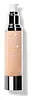
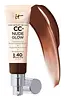
100% Pure Fruit Pigmented Tinted Moisturizer Versus IT Cosmetics CC+ Nude Glow Lightweight Foundation SPF 40

What's inside
What's inside
 Key Ingredients
Benefits
Concerns
Ingredients Side-by-side
Aloe Barbadensis Leaf Juice
Skin Conditioning


Cucumis Sativus Juice
EmollientEuterpe Oleracea Fruit Oil
Skin Conditioning


Punica Granatum Seed Oil
Emollient
Oryza Sativa Starch
AbsorbentTitanium Dioxide
Cosmetic Colorant

Zinc Oxide
Cosmetic Colorant
Prunus Persica Fruit Extract
Abrasive
Camellia Sinensis Leaf Extract
Antimicrobial



Prunus Armeniaca Fruit Extract
Skin ConditioningDaucus Carota Sativa Root Extract
Skin Conditioning
Punica Granatum Extract
AstringentTheobroma Cacao Extract
Skin ConditioningLycium Chinense Fruit Extract
Antioxidant
Solanum Lycopersicum Fruit/Leaf/Stem Extract
AstringentTocopherol
Antioxidant


Sodium Ascorbate
Antioxidant

Euphorbia Cerifera Cera
Astringent
Rosmarinus Officinalis Leaf Extract
AntimicrobialOriganum Vulgare Leaf Extract
Skin ConditioningThymus Vulgaris Flower/Leaf Extract
MaskingLonicera Caprifolium Flower Extract
Perfuming
Lonicera Japonica Flower Extract
Skin ConditioningHydrastis Canadensis Extract
MaskingCinnamomum Cassia Bark
Skin ConditioningAloe Barbadensis Leaf Juice, Cucumis Sativus Juice, Euterpe Oleracea Fruit Oil, Punica Granatum Seed Oil, Oryza Sativa Starch, Titanium Dioxide, Zinc Oxide, Prunus Persica Fruit Extract, Camellia Sinensis Leaf Extract, Prunus Armeniaca Fruit Extract, Daucus Carota Sativa Root Extract, Punica Granatum Extract, Theobroma Cacao Extract, Lycium Chinense Fruit Extract, Solanum Lycopersicum Fruit/Leaf/Stem Extract, Tocopherol, Sodium Ascorbate, Euphorbia Cerifera Cera, Rosmarinus Officinalis Leaf Extract, Origanum Vulgare Leaf Extract, Thymus Vulgaris Flower/Leaf Extract, Lonicera Caprifolium Flower Extract, Lonicera Japonica Flower Extract, Hydrastis Canadensis Extract, Cinnamomum Cassia Bark
Water
Skin ConditioningGlycerin
Humectant
Homosalate
Skin Conditioning
Octocrylene
UV Absorber

Caprylyl Methicone
Skin Conditioning
Ethylhexyl Salicylate
UV Absorber
Dimethicone
Emollient
Butyloctyl Salicylate
Skin Conditioning
Cetyl PEG/PPG-10/1 Dimethicone
Emulsifying
Niacinamide
Smoothing

Propanediol
Solvent
Dimethicone/PEG-10/15 Crosspolymer
Synthetic Fluorphlogopite
Phenoxyethanol
Preservative
Sodium Chloride
MaskingButylene Glycol
Humectant
Trimethylsiloxysilicate
Emollient
Disteardimonium Hectorite
StabilisingDisodium Stearoyl Glutamate
CleansingParfum
Masking
Chlorphenesin
Antimicrobial
Caprylyl Glycol
Emollient
Snail Secretion Filtrate
Skin Conditioning
Silica Silylate
Emollient
Trisodium Ethylenediamine Disuccinate
ChelatingLimonene
Perfuming
Simethicone
Emollient
Maltodextrin
Absorbent
Aluminum Hydroxide
EmollientAdenosine
Skin Conditioning
Ethyl Hexanediol
SolventDipropylene Glycol
HumectantSodium Hyaluronate
Humectant
Citral
Perfuming
Linalool
Perfuming
Sodium Citrate
BufferingCamellia Sinensis Leaf Extract
Antimicrobial
Tocopherol
Antioxidant
Water, Glycerin, Homosalate, Octocrylene, Caprylyl Methicone, Ethylhexyl Salicylate, Dimethicone, Butyloctyl Salicylate, Cetyl PEG/PPG-10/1 Dimethicone, Niacinamide, Propanediol, Dimethicone/PEG-10/15 Crosspolymer, Synthetic Fluorphlogopite, Phenoxyethanol, Sodium Chloride, Butylene Glycol, Trimethylsiloxysilicate, Disteardimonium Hectorite, Disodium Stearoyl Glutamate, Parfum, Chlorphenesin, Caprylyl Glycol, Snail Secretion Filtrate, Silica Silylate, Trisodium Ethylenediamine Disuccinate, Limonene, Simethicone, Maltodextrin, Aluminum Hydroxide, Adenosine, Ethyl Hexanediol, Dipropylene Glycol, Sodium Hyaluronate, Citral, Linalool, Sodium Citrate, Camellia Sinensis Leaf Extract, Tocopherol
Reviews
Alternatives
Ingredients Explained
These ingredients are found in both products.
Ingredients higher up in an ingredient list are typically present in a larger amount.
Camellia Sinensis Leaf Extract (tea extract) is one of the most well-researched plant extracts in skincare with an impressive resume.
Black tea, green tea, and oolong tea are all harvested from the Camellia Sinensis plant.
Studies show green tea extract and its catechins (like epigallocatechin gallate (EGCG)) help your skin cells product energy more efficiently and reducing the number of free-radicals that can damage your skin from the inside.
In lab-grown skin models, this translated to younger, healthier, and stronger skin.
There's also good sun protection data; researchers saw less DNA damage and redness on human skin when green tea was applied before UVB exposure. And the more they applied, the better the protection.
Needless to say, this ingredient shouldn't replace your sunscreen. But it is a great supportive ingredient that you can already find in many sunscreens and antioxidant serums.
A 2009 study found a 2% green tea lotion was effective for mild-to-moderate acne thanks to its anti-inflammatory and mild antimicrobial activity.
The quality of the extract matters a lot here:
Good extracts contain 50-90% catechins while lower quality ones are mostly there for marketing. We recommend reaching out to the brand if you have questions about the quality or source of their ingredients.
Human Repeated Insult Patch Testing showed no irritation or sensitization at use concentrations (0.86% in leave-on products and up to 30% as leaf water).
Learn more about Camellia Sinensis Leaf ExtractTocopherol is a fat-soluble antioxidant known as Vitamin E.
You'll find this ingredient in the vast majority of skincare (for good reason). It works to neutralize free radicals, or unstable molecules generated by UV exposure, pollution, and other environmental stressors, before they can cause oxidative damage to your skin cells.
Topically applied tocopherol has been shown to protect against UV damage by ramping up the skin's own natural defense enzymes.
It also acts as a skin conditioning agent; some studies show that regular topical use can improve the skin's water-binding capacity over 2-4 weeks.
This ingredient is especially loved for being a team player. When combined with Vitamin C, the photoprotective effect of both ingredients roughly doubles and the combo also helps reduce UV-induced DNA damage.
This ingredient has some brightening potential but it's more of a prevention ingredient than spot-fader. Cell studies show it can slow down melanin production but it's worth noting that it's not the most powerful brightener out there.
In formulations, it also serves as a stabilizer that helps protect other oxidation-prone ingredients from degrading.
Concentrations usually range from 0.1-1% in most leave-on products.
Learn more about Tocopherol

