Red Chamber Wandering Natural Healthy Foundation
A foundation with 46 ingredients, including exfoliants and vitamin E.
Overview
What it is
Foundation with 46 ingredients that contains exfoliants and Vitamin E
Cool Features
It is reef safe
Suited For
It has ingredients that are good for anti aging, dry skin, brightening skin, sensitive skin and scar healing
Free From
It doesn't contain any harsh alcohols, common allergens, parabens or sulfates
Fun facts
Red Chamber is from China.
We independently verify ingredients and our claims are backed by peer-reviewed research. Does this product need an update? Let us know.
What's inside
Ingredients List
Nelumbo Nucifera Flower Water
TonicDimethylhydrogensiloxy Phenyl Polysilsesquioxane

Dimethicone
Emollient
CI 77891
Cosmetic ColorantButylene Glycol
Humectant
Polyglyceryl-3 Polydimethylsiloxyethyl Dimethicone
Skin Conditioning
Methicone
Emollient
Diisostearyl Malate
EmollientIsohexadecane
EmollientGlycerin
Humectant


Glyceryl Ethylhexanoate
EmollientPolyglyceryl-4 Isostearate
Emulsifying
Disteardimonium Hectorite
StabilisingCocoglycerides
Emollient
Dextrin Palmitate
Emulsifying
Sorbitan Sesquioleate
Emulsifying
1,2-Hexanediol
Skin Conditioning
Magnesium Sulfate
CI 77492
Cosmetic ColorantSynthetic Fluorphlogopite
Castor Oil/Ipdi Copolymer

Polyglyceryl-2 Triisostearate
Emulsifying
Dipentaerythrityl Tetrahydroxystearate/Tetraisostearate
Skin Conditioning
Caprylic/Capric Triglyceride
Masking
Polyglyceryl-3/Lauryl Polydimethylsiloxyethyl Dimethicone Crosspolymer
Caprylic/Capric/Succinic Triglyceride
EmollientTriheptanoin
Skin ConditioningDisodium Stearoyl Glutamate
CleansingTris-Tributoxysiloxymethylsilane
EmollientPolydimethylsiloxyethyl Dimethicone/Bis-Vinyldimethicone Crosspolymer
Hydroxyacetophenone
Antioxidant

CI 77491
Cosmetic ColorantCI 77499
Cosmetic ColorantCommiphora Myrrha Resin Extract
Skin ConditioningTetrahydrojasmonic Acid
Abrasive
Caprylyl Glycol
Emollient
Ethylhexylglycerin
Skin ConditioningPunica Granatum Peel Extract
Antioxidant
Propylene Carbonate
SolventAluminum Hydroxide
EmollientDipropylene Glycol
HumectantSodium Citrate
BufferingCI 77163
Cosmetic ColorantTocopherol
Antioxidant

Ethylhexyl Hydroxystearate
Emollient
Citrus Grandis Fruit Extract
Astringent
Nelumbo Nucifera Flower Water, Dimethylhydrogensiloxy Phenyl Polysilsesquioxane, Dimethicone, CI 77891, Butylene Glycol, Polyglyceryl-3 Polydimethylsiloxyethyl Dimethicone, Methicone, Diisostearyl Malate, Isohexadecane, Glycerin, Glyceryl Ethylhexanoate, Polyglyceryl-4 Isostearate, Disteardimonium Hectorite, Cocoglycerides, Dextrin Palmitate, Sorbitan Sesquioleate, 1,2-Hexanediol, Magnesium Sulfate, CI 77492, Synthetic Fluorphlogopite, Castor Oil/Ipdi Copolymer, Polyglyceryl-2 Triisostearate, Dipentaerythrityl Tetrahydroxystearate/Tetraisostearate, Caprylic/Capric Triglyceride, Polyglyceryl-3/Lauryl Polydimethylsiloxyethyl Dimethicone Crosspolymer, Caprylic/Capric/Succinic Triglyceride, Triheptanoin, Disodium Stearoyl Glutamate, Tris-Tributoxysiloxymethylsilane, Polydimethylsiloxyethyl Dimethicone/Bis-Vinyldimethicone Crosspolymer, Hydroxyacetophenone, CI 77491, CI 77499, Commiphora Myrrha Resin Extract, Tetrahydrojasmonic Acid, Caprylyl Glycol, Ethylhexylglycerin, Punica Granatum Peel Extract, Propylene Carbonate, Aluminum Hydroxide, Dipropylene Glycol, Sodium Citrate, CI 77163, Tocopherol, Ethylhexyl Hydroxystearate, Citrus Grandis Fruit Extract
Key Ingredients
Benefits
Concerns
Ingredients Explained
Nelumbo Nucifera Flower Water is made by distilling parts of the lotus flower.
Tonics are used to remove soap residues. They also help moisturize the skin.
Dimethylhydrogensiloxy Phenyl Polysilsesquioxane is a type of silicone.
Dimethicone is a type of synthetic silicone created from natural materials such as quartz.
What it does:
Dimethicone comes in different viscosities:
Depending on the viscosity, dimethicone has different properties.
Ingredients lists don't always show which type is used, so we recommend reaching out to the brand if you have questions about the viscosity.
This ingredient is unlikely to cause irritation because it does not get absorbed into skin. However, people with silicone allergies should be careful about using this ingredient.
Note: Dimethicone may contribute to pilling. This is because it is not oil or water soluble, so pilling may occur when layered with products. When mixed with heavy oils in a formula, the outcome is also quite greasy.
Learn more about DimethiconeCi 77891 is a white pigment from Titanium dioxide. It is naturally found in minerals such as rutile and ilmenite.
It's main function is to add a white color to cosmetics. It can also be mixed with other colors to create different shades.
Ci 77891 is commonly found in sunscreens due to its ability to block UV rays.
Learn more about CI 77891Butylene Glycol (or BG) is used within cosmetic products for a few different reasons:
Overall, Butylene Glycol is a safe and well-rounded ingredient that works well with other ingredients.
Though this ingredient works well with most skin types, some people with sensitive skin may experience a reaction such as allergic rashes, closed comedones, or itchiness.
Learn more about Butylene GlycolPolyglyceryl-3 Polydimethylsiloxyethyl Dimethicone is a type of silicone.
Methicone is a type of silicone and is a simpler form of dimethicone.
Silicones are used to enhance the texture of products and have emollient properties. Methicone is used to give products a silky texture and improves spreadability.
Diisostearyl Malate is an emollient and most often used in lip products. It comes from isostearyl alcohol, a fatty acid, and malic acid, an AHA.
As an emollient, Diisostearyl Malate helps create a thin film on your skin to trap moisture in. This helps keep your skin soft and smooth.
Isohexadecane is added to enhance texture, emulsify, and to help cleanse. It is an isoparrafin. It is a component of petrolatum.
Due to its large size, Isohexadecane is not absorbed by the skin. Instead, it sits on top and acts as an emollient. Emollients help keep your skin soft and smooth by trapping moisture within.
Isohexadecane is often used in products designed to help oily skin. It is lightweight and non-greasy while helping to moisturize. When mixed with silicones, it gives a product a silky feel.
Learn more about IsohexadecaneGlycerin is already naturally found in your skin. It helps moisturize and protect your skin.
A study from 2016 found glycerin to be more effective as a humectant than AHAs and hyaluronic acid.
As a humectant, it helps the skin stay hydrated by pulling moisture to your skin. The low molecular weight of glycerin allows it to pull moisture into the deeper layers of your skin.
Hydrated skin improves your skin barrier; Your skin barrier helps protect against irritants and bacteria.
Glycerin has also been found to have antimicrobial and antiviral properties. Due to these properties, glycerin is often used in wound and burn treatments.
In cosmetics, glycerin is usually derived from plants such as soybean or palm. However, it can also be sourced from animals, such as tallow or animal fat.
This ingredient is organic, colorless, odorless, and non-toxic.
Glycerin is the name for this ingredient in American English. British English uses Glycerol/Glycerine.
Learn more about GlycerinWe don't have a description for Glyceryl Ethylhexanoate yet.
This ingredient is an emulsifer and stabilizer. It comes from isostearic acid and polyglycerin.
As an emulsifier, it helps blend oil and water to improve texture, spreadbility, and application.
Due to it being derived from isostearic acid, this ingredient may not be fungal acne safe.
Learn more about Polyglyceryl-4 IsostearateDisteardimonium Hectorite comes from the clay mineral named hectorite. It is used to add thickness to a product.
It can also help stabilize a product by helping to disperse other ingredients.
Hectorite is a rare, white clay mineral.
Learn more about Disteardimonium HectoriteCocoglycerides is made from the mono, di and triglycerides of coconut oil. It is an emollient and emulsifer.
Emollients are a type of moisturizer. They create a thin film on top of the skin. This film prevents moisture from escaping, keeping the skin hydrated.
Emulsifiers prevent ingredients from separating. Examples of this include oils and water, which naturally do not mix. Emulsifiers helps elongate the shelf life of a product. They also help the product stay consistent in texture.
Learn more about CocoglyceridesDextrin Palmitate comes from the palmitic acid ester of Dextrin. It is used as an emulsifier and texture enhancer.
Emulsifiers help keep ingredients together. According to a manufacturer, dextrin palmitate helps create a low-viscosity gel texture.
Due to its fatty acid base, this ingredient is not fungal-acne safe.
Learn more about Dextrin PalmitateSorbitan Sesquioleate is derived from sorbitol and oleic acid. It is an emulsifier and prevents ingredients from separating.
Specifically, this ingredient is a water-in-oil emulsifier, meaning it helps water dissolve into oil.
Some studies suggest this ingredient may cause irritation in some people. If you are unsure, it is best to patch test.
This ingredient may not be Malassezia folliculitis, or fungal-acne safe.
Learn more about Sorbitan Sesquioleate1,2-Hexanediol is a synthetic liquid and another multi-functional powerhouse.
It is a:
- Humectant, drawing moisture into the skin
- Emollient, helping to soften skin
- Solvent, dispersing and stabilizing formulas
- Preservative booster, enhancing the antimicrobial activity of other preservatives
Magnesium Sulfate is a salt. More specifically, it is an epsom salt, or the bath salt used to help relieve muscle aches.
Despite having ‘sulfate’ in the name, it isn’t a surfactant or cleansing agent like sodium lauryl sulfate. Unlike those sulfates, magnesium sulfate doesn’t have the same cleansing or foaming properties (it's simply a type of salt).
In cosmetics, Magnesium Sulfate is used to thicken a product or help dilute other solids. It is a non-reactive and non-irritating ingredient.
One study shows magnesium deficiency may lead to inflammation of the skin. Applying magnesium topically may help reduce inflammation.
You can find this ingredient in sea water or mineral deposits.
Learn more about Magnesium SulfateCi 77492 is also hydrated iron III oxide. It's sole purpose is to give a yellow hue to products.
Iron III oxides are classified as inorganic chemicals for coloring.
Synthetically created Ci 77492 is considered safer than those naturally found. This is because the synthetically created version may contain less impurities. Iron oxides are generally non-toxic and non-allergenic.
Learn more about CI 77492Synthetic Fluorphlogopite is the synthethic version of mica. It consists of fluorine, aluminum and silicate.
Synthetic Fluorphlogopite is used to add volume to products.
It is considered non-irritating on the skin.
Learn more about Synthetic FluorphlogopiteCastor Oil/Ipdi Copolymer is an oil and isn't fungal acne safe.
This ingredient is a form of glycerin with emulsifying and emollient properties.
As an emulsifier, this ingredient helps keep products together while adding a thick texture. The manufacturer states this ingredient has emollient properties. Emollients help keep the skin hydrated by trapping moisture in.
Polyglyceryl-2 Triisostearate is created by reacting diglycerin and isostearic acid. Due to the isostearic acid base, it may not be safe for Malassezia or fungal acne.
Learn more about Polyglyceryl-2 TriisostearateDipentaerythrityl Tetrahydroxystearate/Tetraisostearate isn't fungal acne safe.
This ingredient is an emollient, solvent, and texture enhancer. It is considered a skin-softener by helping the skin prevent moisture loss.
It helps thicken a product's formula and makes it easier to spread by dissolving clumping compounds.
Caprylic Triglyceride is made by combining glycerin with coconut oil, forming a clear liquid.
While there is an assumption Caprylic Triglyceride can clog pores due to it being derived from coconut oil, there is no research supporting this.
Learn more about Caprylic/Capric TriglyceridePolyglyceryl-3/Lauryl Polydimethylsiloxyethyl Dimethicone Crosspolymer is a type of silicone.
We don't have a description for Caprylic/Capric/Succinic Triglyceride yet.
We don't have a description for Triheptanoin yet.
DSG is used as a surfactant.
Surfactants are cleansing ingredients that help remove oil, dirt, and other impurities from the skin. They work by reducing surface tension between water and oils/dirt to allow them to be easily rinsed away.
We don't have a description for Tris-Tributoxysiloxymethylsilane yet.
Polydimethylsiloxyethyl Dimethicone/Bis-Vinyldimethicone Crosspolymer is a type of silicone.
Hydroxyacetophenone is antioxidant with skin conditioning and soothing properties. It also boosts the efficiency of preservatives.
This ingredient is not irritating or sensitizing.
Ci 77491 is also hydrated iron III oxide. It's sole purpose is to give a red/pink hue to products.
Iron III oxides are classified as inorganic chemicals for coloring.
Synthetically created Ci 77491 is considered safer than those naturally found. This is because the synthetically created version may contain less impurities. Iron oxides are generally non-toxic and non-allergenic.
Learn more about CI 77491Ci 77499 is also hydrated iron III oxide. It is created from mixing red and black iron oxides. This helps give shades of darkness to a product.
Iron III oxides are classified as inorganic chemicals for coloring.
This ingredient comes from the resin of the myrrh tree. According to a manufacturer, this ingredient has skin soothing and antibacterial properties.
Myrrhone is a bioactive compound extracted from this resin.
Tetrahydrojasmonic Acid is an exfoliant.
Caprylyl Glycol is a humectant and emollient, meaning it attracts and preserves moisture.
It is a common ingredient in many products, especially those designed to hydrate skin. The primary benefits are retaining moisture, skin softening, and promoting a healthy skin barrier.
Though Caprylyl Glycol is an alcohol derived from fatty acids, it is not the kind that can dry out skin.
This ingredient is also used as a preservative to extend the life of products. It has slight antimicrobial properties.
Learn more about Caprylyl GlycolEthylhexylglycerin (we can't pronounce this either) is commonly used as a preservative and skin softener. It is derived from glyceryl.
You might see Ethylhexylglycerin often paired with other preservatives such as phenoxyethanol. Ethylhexylglycerin has been found to increase the effectiveness of these other preservatives.
Punica Granatum Peel Extract is an antioxidant.
This ingredient is a solvent. It helps dissolve active ingredients and alter the texture of products.
Propylene Carbonate is commonly used in makeup and with clay, such as montmorillonite or bentonite.
Studies show this ingredient to be safe for cosmetics. When it is undiluted, it can cause skin irritation. (It is always diluted in skincare and makeup). This ingredient is water-soluble.
Propylene Carbonate is created from propylene glycol and carbonic acid.
Learn more about Propylene CarbonateAluminum Hydroxide is a form of aluminum. It can be naturally found in nature as the mineral gibbsite. In cosmetics, Aluminum Hydroxide is used as a colorant, pH adjuster, and absorbent.
As a colorant, Aluminum Hydroxide may add opacity, or reduce the transparency. Aluminum hydroxide is contains both basic and acidic properties.
According to manufacturers, this ingredient is an emollient and humectant. This means it helps hydrate the skin.
In medicine, this ingredient is used to help relieve heartburn and help heal ulcers.
There is currently no credible scientific evidence linking aluminum hydroxide in cosmetics to increased cancer risk.
Major health organizations allow the use of aluminum hydroxide in personal care products and have not flagged it as a carcinogenic risk at typical usage levels.
Learn more about Aluminum HydroxideDipropylene Glycol is a synthetically created humectant, stabilizer, and solvent.
This ingredient helps:
Dipropylene glycol is technically an alcohol, but it belongs to the glycol family (often considered part of the ‘good’ alcohols). This means it is hydrating and gentle on skin unlike drying solvent alcohols like denatured alcohol.
As a masking agent, Dipropylene Glycol can be used to cover the smell of other ingredients. However, it does not have a scent.
Studies show Dipropylene Glycol is considered safe to use in skincare.
Learn more about Dipropylene GlycolSodium Citrate is the sodium salts of citric acid. In skincare, it is used to alter pH levels and acts as a preservative.
Its main functions are to maintain the pH of a product and neutralize metal ions.
The acidity of our skin is maintained by our glands and skin biome; normal pH level of skin is slightly acidic (~4.75-5.5).
Being slightly acidic allows our skin to create an "acid mantle". This acid mantle is a thin barrier that protects our skin from bacteria and contaminants.
Learn more about Sodium CitrateThis synthetic powder is used to add a pearly/white color in cosmetics.
Tocopherol (also known as Vitamin E) is a common antioxidant used to help protect the skin from free-radicals and strengthen the skin barrier. It's also fat soluble - this means our skin is great at absorbing it.
Vitamin E also helps keep your natural skin lipids healthy. Your lipid skin barrier naturally consists of lipids, ceramides, and fatty acids. Vitamin E offers extra protection for your skin’s lipid barrier, keeping your skin healthy and nourished.
Another benefit is a bit of UV protection. Vitamin E helps reduce the damage caused by UVB rays. (It should not replace your sunscreen). Combining it with Vitamin C can decrease sunburned cells and hyperpigmentation after UV exposure.
You might have noticed Vitamin E + C often paired together. This is because it is great at stabilizing Vitamin C. Using the two together helps increase the effectiveness of both ingredients.
There are often claims that Vitamin E can reduce/prevent scarring, but these claims haven't been confirmed by scientific research.
Learn more about TocopherolEthylhexyl Hydroxystearate isn't fungal acne safe.
This ingredient is also known as grapefruit or citricidal extract. It has perfuming and astringent properties.
Astringents shrinks tissue by drawing water out of your skin. This leads to a temporary tightening effect in the skin.
Reviews
No written reviews yet. Be the first to review this product.
Where it's from
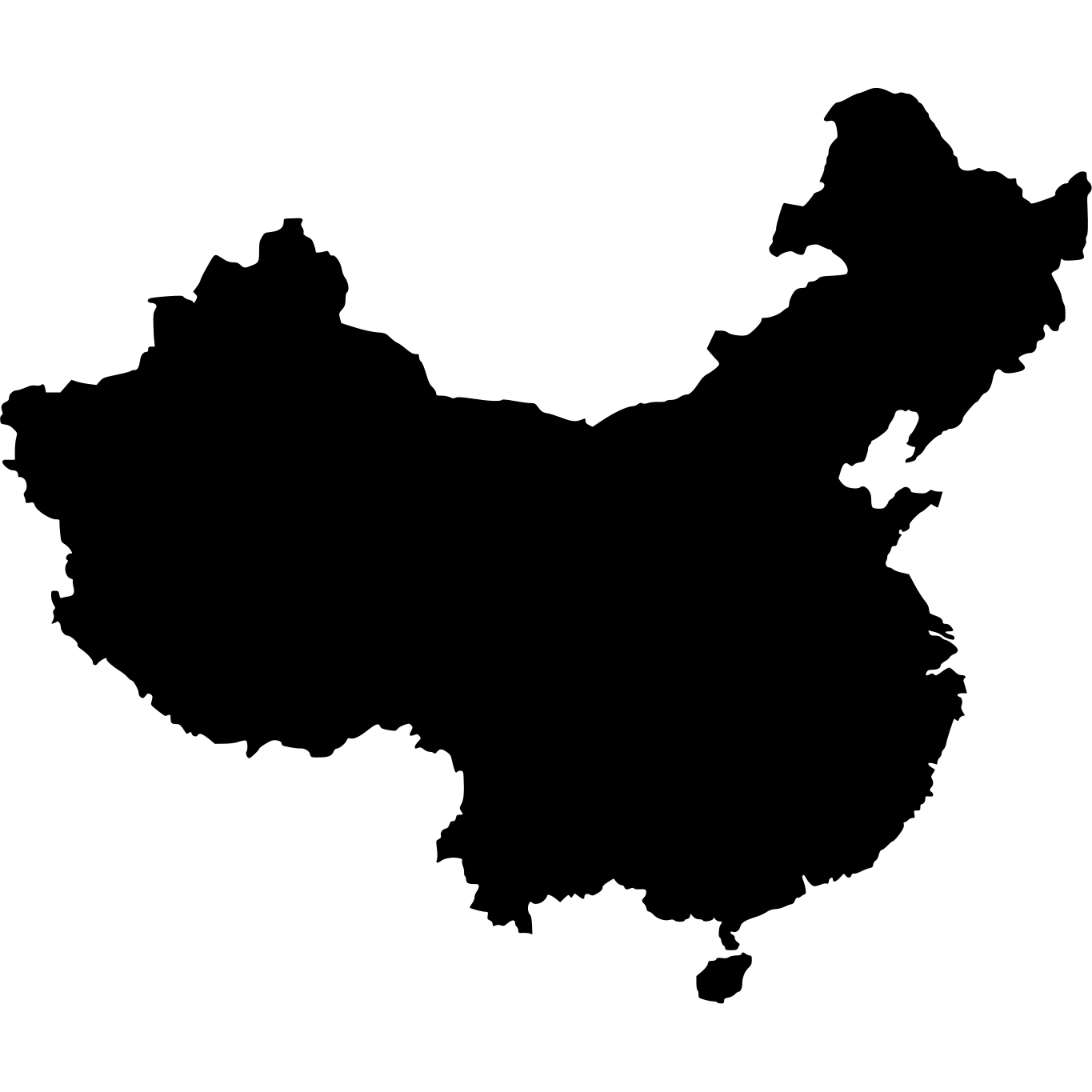
Red Chamber is a Chinese brand

We're dedicated to providing you with the most up-to-date and science-backed ingredient info out there.
The data we've presented on this page has been verified by a member of the SkinSort Team.
Read more about us· Updated December 2, 2025 • Added by anemone

