AcneCeutics Totarol 0.1% + Red Wine Vectorized Anti-Acne Pro
A facial treatment with 51 ingredients, including BHA, niacinamide, and zinc.
This acne treatment is formulated around Salicylic Acid and Niacinamide to clear breakouts and balance excess oil.
Worth noting
Contains Salicylic Acid, an exfoliating acid best introduced gradually.
We independently verify ingredients, backed by peer-reviewed research. Suggest an update.
What's inside
Ingredients List
Water
Skin ConditioningBetaine
Humectant


Trehalose
Humectant
Maltooligosyl Glucoside
Skin ConditioningHydrogenated Starch Hydrolysate
HumectantButylene Glycol
Humectant
Glycerin
Humectant
Dimethyl Sulfone
SolventSaccharide Hydrolysate
HumectantPolyglyceryl-10 Laurate
Skin Conditioning

Salicylic Acid
Masking









Diglycerin
Humectant
Niacinamide
Smoothing


Inulin
Skin Conditioning
Sarcosine
Skin Conditioning
Capryloyl Glycine
CleansingUndecylenoyl Glycine
CleansingCaprylyl/Capryl Glucoside
CleansingSalix Alba Bark Extract
Astringent
Solanum Tuberosum Pulp Extract
SmoothingFurcellaria Lumbricalis Extract
Skin ConditioningZinc PCA
Humectant
Saccharomyces Ferment
Skin Conditioning
Vitis Vinifera Fruit Extract
Skin ConditioningArginine
Masking
PEG-40 Hydrogenated Castor Oil
Emulsifying
Trideceth-9
EmulsifyingPropylene Glycol
Humectant
Xylitol
Humectant
Sorbitol
Humectant
10-Hydroxydecanoic Acid
Skin Conditioning1,2-Heptanediol
Skin ConditioningPolydextrose
HumectantBoswellia Carterii Resin Extract
MaskingWine Extract
Antioxidant
PEG/PPG-17/6 Copolymer
SolventDextrin
AbsorbentAmylopectin
Epilobium Angustifolium Extract
Skin ConditioningMicrocitrus Australasica Fruit Extract
1,2-Hexanediol
Skin Conditioning
Caprylyl Glycol
Emollient
Lactic Acid
Buffering
Sodium Dilauramidoglutamide Lysine
HumectantGlycyrrhiza Inflata Root Extract
Skin Conditioning
Totarol
Antioxidant
Usnea Barbata Extract
Sodium Hydroxide
BufferingTetrasodium EDTA
Polylysine
Quaternium-73
Water, Betaine, Trehalose, Maltooligosyl Glucoside, Hydrogenated Starch Hydrolysate, Butylene Glycol, Glycerin, Dimethyl Sulfone, Saccharide Hydrolysate, Polyglyceryl-10 Laurate, Salicylic Acid, Diglycerin, Niacinamide, Inulin, Sarcosine, Capryloyl Glycine, Undecylenoyl Glycine, Caprylyl/Capryl Glucoside, Salix Alba Bark Extract, Solanum Tuberosum Pulp Extract, Furcellaria Lumbricalis Extract, Zinc PCA, Saccharomyces Ferment, Vitis Vinifera Fruit Extract, Arginine, PEG-40 Hydrogenated Castor Oil, Trideceth-9, Propylene Glycol, Xylitol, Sorbitol, 10-Hydroxydecanoic Acid, 1,2-Heptanediol, Polydextrose, Boswellia Carterii Resin Extract, Wine Extract, PEG/PPG-17/6 Copolymer, Dextrin, Amylopectin, Epilobium Angustifolium Extract, Microcitrus Australasica Fruit Extract, 1,2-Hexanediol, Caprylyl Glycol, Lactic Acid, Sodium Dilauramidoglutamide Lysine, Glycyrrhiza Inflata Root Extract, Totarol, Usnea Barbata Extract, Sodium Hydroxide, Tetrasodium EDTA, Polylysine, Quaternium-73
Key Ingredients
Benefits
Concerns
Ingredients Explained
Water. It's the most common cosmetic ingredient of all. You'll usually see it at the top of ingredient lists, meaning that it makes up the largest part of the product.
So why is it so popular? Water most often acts as a solvent - this means that it helps dissolve other ingredients into the formulation.
You'll also recognize water as that liquid we all need to stay alive. If you see this, drink a glass of water. Remember to stay hydrated!
Learn more about WaterBetaine is a humectant. Like hyaluronic acid, it helps attract and retain moisture in the skin. It’s known for being gentle and for helping the skin maintain balanced hydration.
Betaine is mainly used to improve hydration and support calmer skin. It helps skin cells regulate water balance because it functions as an osmolyte.
Some studies suggest betaine may support making skin tone more even.
Fun fact: Betaine naturally exists in the skin and the body. In cosmetic products, it can be either plant-derived (most commonly from sugar beets) or synthetically produced for consistency and stability.
Betaine is also known as trimethylglycine.
Learn more about BetaineTrehalose is a disaccharide made of two glucose molecules (glucose is sugar!). Trehalose is used to help moisturize skin. It also has antioxidant properties.
As a humectant, trehalose helps draw moisture from the air to your skin. This helps keep your skin hydrated.
Due to its antioxidant properties, trehalose may help with signs of aging. Antioxidants help fight free-radical molecules, unstable molecules that may damage your skin.
In medicine, trehalose and hyaluronic acid are used to help treat dry eyes.
Some animals, plants, and bacteria create trehalose as a source of energy to survive freeze or lack of water.
Learn more about TrehaloseWe don't have a description for Maltooligosyl Glucoside yet.
Hydrogenated Starch Hydrolysate is a made up of a mixture of sugar alcohols (like sorbitol) and is created by hydrogenating corn, wheat, or potato starch.
It acts as a humectant and draws water to the skin to keep it hydrated. Generally, this is a well-tolerated and non-irritating ingredient.
Butylene Glycol (or BG) is used within cosmetic products for a few different reasons:
Overall, Butylene Glycol is a safe and well-rounded ingredient that works well with other ingredients.
Though this ingredient works well with most skin types, some people with sensitive skin may experience a reaction such as allergic rashes, closed comedones, or itchiness.
Learn more about Butylene GlycolGlycerin (or glycerol) is a compound naturally found in your skin. It's a powerhouse humectant that pulls water into the stratum corneum.
Topically, glycerin does several things at once:
Your skin makes glycerin on its own (mostly from sebaceous oil breakdown) and shuttles it to your outermost layer of skin, or your epidermis, via aquaporin-3.
Aquaporin-3 is a transporter that is essential for normal skin hydration, elasticity, and repair. Interestingly, mice lacking in AQP3 have dry and less elastic skin that can be fully corrected with glycerin.
This ingredient is non-irritating, plays well with almost every ingredient, and works across all skin types. Typical use is anywhere between 3-10% but can go up to 79% in some leave-on products.
Just know very high concentrations (>40%) can feel tacky in low humidity.
Glycerin is the name for this ingredient in American English. British English uses Glycerol/Glycerine.
Learn more about GlycerinDimethyl Sulfone is an organic compound that naturally contains sulfur. It is used as a solvent due to its stability. Solvents help mix and stabilize other ingredients.
Studies show taking Dimethyl Sulfone (also known as methylsulfonylmethane or MSM) orally may help reduce the depth of wrinkles. We recommend speaking with a professional if you have any questions or concerns about this ingredient.
We don't have a description for Saccharide Hydrolysate yet.
Polyglyceryl-10 Laurate is a cleansing agent and emulsifier.
It rounds up dirt, oil, and grime, so they can be rinsed off easily as a cleanser.
On the emulsifier side, it keeps your formula smooth and well-mixed by playing peacekeeper for ingredients that don't naturally get along (like oil and water).
Because it has a C12 (lauric acid) fatty acid chain, this ingredient can potentially feed the Malassezia yeast that causes fungal acne. The Malassezia yeast prefers esters with C11-C24 fatty acids.
This ingredient is an ester of lauric acid and Polyglycerin-10.
Learn more about Polyglyceryl-10 LaurateSalicylic Acid (also known as beta hydroxy acid or BHA) is a well-known ingredient for treating skin that struggles with acne and clogged pores. It exfoliates both the skin's surface and deep within the pores to help clear out buildup, control oil, and reduce inflammation.
Unlike AHAs (alpha hydroxy acids), salicylic acid is oil-soluble. This allows it to penetrate into pores which makes it especially effective for treating blackheads and preventing future breakouts.
Salicylic acid is also known for its soothing properties. It has a similar structure to aspirin and can calm inflamed or irritated skin, making it a good option for acne-prone skin that is also sensitive.
Concentrations of 0.5-2% are recognized by the U.S. FDA as an over-the-counter topical acne product.
It can cause irritation and/or dryness if one's skin already has a compromised moisture barrier, so it's best to focus on repairing that before introducing this ingredient into your routine.
While salicylic acid does not increase sun sensitivity, it’s still important to wear sunscreen daily to protect your skin.
If you are looking for the ingredient called BHA or Butylated Hydroxyanisole, click here.
Learn more about Salicylic AcidDiglycerin is a humectant. It is derived from glycerin, which is naturally found in your skin.
As a humectant, it helps draw moisture to the skin from the air.
Niacinamide is a multitasking form of vitamin B3 that strengthens the skin barrier, reduces pores and dark spots, regulates oil, and improves signs of aging.
And the best part? It's gentle and well-tolerated by most skin types, including sensitive and reactive skin.
You might have heard of "niacin flush", or the reddening of skin that causes itchiness. Niacinamide has not been found to cause this.
In very rare cases, some individuals may not be able to tolerate niacinamide at all or experience an allergic reaction to it.
If you are experiencing flaking, irritation, and dryness with this ingredient, be sure to double check all your products as this ingredient can be found in all categories of skincare.
When incorporating niacinamide into your routine, look out for concentration amounts. Typically, 5% niacinamide provides benefits such as fading dark spots. However, if you have sensitive skin, it is better to begin with a smaller concentration.
When you apply niacinamide to your skin, your body converts it into nicotinamide adenine dinucleotide (NAD). NAD is an essential coenzyme that is already found in your cells as "fuel" and powers countless biological processes.
In your skin, NAD helps repair cell damage, produce new healthy cells, support collagen production, strengthen the skin barrier, and fight environmental stressors (like UV and pollution).
Our natural NAD levels start to decline with age, leading to slower skin repair, visible aging, and a weaker skin barrier. By providing your skin niacinamide, you're recharging your skin's NAD levels. This leads to stronger, healthier, and younger looking skin.
Another name for vitamin B3 is nicotinamide. This vitamin is water-soluble and our bodies don't store it. We obtain Vitamin B3 from either food or skincare. Meat, fish, wheat, yeast, and leafy greens contain vitamin B3.
The type of niacinamide used in skincare is synthetically created.
Learn more about NiacinamideInulin is a polysaccharide (carbohydrate) with prebiotic and antioxidant properties.
The majority of inulin is extracted from chicory, but can also be obtained from other plants such as garlic, onion, asparagus, and sugarcane.
Studies show inulin may help with controlling your skin's natural microbiota when applied topically.
The antioxidant potential of inulin varies depending on the source.
Learn more about InulinSarcosine is a skin conditioning ingredient. It is a synthetic amino acid.
It is an intermediate and byproduct in glycine synthesis and degradation. Glycine is an amino acid naturally found in our skin.
This ingredient also goes by the name of methylglycline.
Learn more about SarcosineCapryloyl Glycine is created by adding an acyl group to glycine and caprylic acid chloride.
It is a cleanser due to its surfactant properties. Surfactants help dirt, oil, and other polluants be more easily rinsed away. According to manufacturers, Capryloyl Glycine also helps soften the skin and regulate sebum production.
Emerging studies show Capryloyl Glycine may inhibit hair growth. It may also cause allergies for some people. We recommend speaking with a professional if you have any questions about this ingredient.
Learn more about Capryloyl GlycineWe don't have a description for Undecylenoyl Glycine yet.
This ingredient is a mild surfactant made by sticking glucose onto a blend of fatty acids.
It does two jobs because it has a sugar head that loves water and a fatty tail that loves oil:
Typical use levels range from 10-20% in cleansers and 15-30% in shower products.
Once on your skin, your skin's glucoside hydrolases breaks it down into glucose and the parent fatty alcohols.
This ingredient is considered fungal acne safe because its fatty alcohol portion sits outside the Malassezia yeast's metabolization range.
Learn more about Caprylyl/Capryl GlucosideSalix Alba Bark Extract comes from the bark of the white willow tree. The official CosIng listing states this ingredient to have astringent, skin conditioning, soothing, and tonic properties.
Its star compound is salicin, a natural glucoside that is chemically related to salicylic acid. That's why you'll often see it marketed as a "natural BHA alternative" but that's a bit of a stretch.
Your skin can't convert salicin to salicylic acid because it needs specific enzymes that aren't present on the skin's surface. It won't behave like true salicylic acid, especially at the concentrations used in cosmetics.
However, this ingredient has its own perks. It contains flavonoids, polyphenols, and tannins that give it proven antioxidant and soothing properties.
An 8-week clinical study found a cream with 2% of this extract improved skin microcirculation, elasticity, and dark circles. This is most likely due to its role in increasing hyaluronic acid synthesis in fibroblasts and improved vascular integrity.
Another study found a topical serum with 0.5% salicin showed improvements in visible signs of aging, hyperpigmentation, and texture.
Just be careful if you have a known aspirin/salicylate allergy and be sure to consult with a medical professional about using this ingredient if you do.
Fun fact: Willow Bark extract has been used for thousands of years and ancient civilizations used white willow to help treat pain and fevers.
Learn more about Salix Alba Bark ExtractWe don't have a description for Solanum Tuberosum Pulp Extract yet.
We don't have a description for Furcellaria Lumbricalis Extract yet.
Zinc PCA is a clever two-in-one molecule: the zinc salt of pyrrolidone carboxylic acid (PCA).
Think of it as two useful things bonded together; the PCA half is one of your skin's own natural moisturizing factors (NMF) so it helps hold water in the upper layers. On the other hand, the zinc half does the heavy lifting on oil and bacteria.
The zinc part slows down an enzyme that turns testosterone into DHT, the hormone that tells your oil glands to pump out more sebum. Less of that signal means less oil. It also gently fights acne-causing bacteria and soothes redness/irritation.
This is why Zinc PCA often shows up in products for oily, breakout-prone skin and greasy scalps.
One lab study also hinted it might have a small anti-aging perk because it seemed to protect collagen from UVA damage and even helped the skin make a bit more of it. That last bit is still early research done in a dish and not real skin, so take it as a nice bonus rather than a promise for now.
As for scar healing, the picture is more "maybe" than a firm yes. Zinc itself plays a real role in wound repair because it is a cofactor for the enzymes involved in collagen building, calming inflammation, and helping new skin cells cover a wound. Lower zinc levels are also linked to slower healing.
Most of the scar healing research is on zinc oxide or oral zinc rather than zinc PCA specifically, with a focus on healing fresh wounds instead of scars that are already there.
Direct evidence that zinc PCA improves the look of established scars is still limited at this time. Though it would be fair to say zinc PCA supports the general skin-repair environment thanks to its zinc content .
This ingredient is water-soluble and plays nicely with other actives like niacinamide and salicylic acid. It works best at mildly acidic formulas (~4-6 pH) and is effective at low levels. Around 0.1% is enough to be active and finished products commonly use it anywhere up to 4%.
Overall, this is a well-tolerated, low-drama multitasker that suits oily and acne-prone skin.
Learn more about Zinc PCASaccharomyces Ferment is what you get when you ferment yeast from Saccharomyces genus and keep the ferment rather than just the strained liquid.
You can think of it like the water-like version of Saccharomyces Ferment Filtrate.
As yeast eats through its growth medium, it leaves behind a nutrient soup of amino acids, peptides, vitamins, and minerals.
The component with the most actual research behind it, beta-glucan, is a polysaccharide that acts as a barrier-supportive humectant with antioxidant and skin-soothing properties.
Typical use concentrations range from 1-3%.
Fungal acne: This ingredient may not be considered fungal-acne safe. Even though Saccharomyces isn't the same yeast as Malassezia, fermentation can produce fatty acids in the C11-24 range that Malassezia feeds on.
Learn more about Saccharomyces FermentVitis Vinifera Fruit Extract comes from grapes.
Grape extract has many skin benefits. It also contains many potent antioxidants such as Vitamin E , Vitamin C, proanthocyanidins, polyphenols, flavonoids, and anthocyanins. Antioxidants help protect skin. Proanthocyanidin have also been shown to help even out skin tone.
Grape extract also helps soothe and hydrate your skin.
Learn more about Vitis Vinifera Fruit ExtractArginine is a semi-essential amino acid. This just means our bodies can product a bit on its own, but sometimes needs a little boost from food sources.
It is a part of your skin's natural moisturizing factor (NMF), or the water-loving molecules in your outermost layer of skin (stratum corneum) that keeps everything hydrated and happy.
Here's an interesting thing about Arginine: your skin converts it into urea through the Krebs-Henseleit urea cycle. Urea is one of the most effective humectants your skin naturally produces.
A clinical study showed applying 2.5% arginine hydrochloride to atopic dermatitis skin showed significant urea levels in the stratum corneum and improved moisture in just four weeks.
Arginine is also a precursor to nitric oxide; nitric oxide improves microcirculation and supports wound healing and collagen synthesis.
One study found that an amino acid complex containing Arginine reduced skin irritation, improved hydration, and accelerated skin repair in clinical / in-vivo studies.
Arginine itself is an amino acid and not a fatty acid, oil, or ester. On its own, it's not a direct food source for Malassezia, or the yeast that causes fungal acne.
Learn more about ArgininePEG-40 Hydrogenated Castor Oil is an emulsifier derived from castor oil.
As an emulsifying agent, it helps other ingredients like fragrances and fat-soluble vitamins dissolve cohesively.
Due to its large molecule size, it doesn't penetrate beyond the skin's surface.
This ingredient has a solid regulatory track record; the CIR Expert Panel first concluded it was safe for use in cosmetics at concentrations up to 100% in 1997. A 2012 reassessment reaffirmed that finding. Safety studies have also found no irritation or evidence of toxicity.
A 2019 study did find this ingredient to grow Malassezia, so this ingredient may not be fungal acne safe.
Learn more about PEG-40 Hydrogenated Castor OilTrideceth-9 is a synthetic surfactant and emulsifying agent. It helps stabilize formulations, mix oil and water, and assists in cleansing.
Propylene Glycol is a synthetic, colorless, odorless liquid that has been a staple in cosmetics for decades. It is a skin conditioning agent, humectant, and solvent.
As a humectant, it draw water to the skin to reduce flaking and restore suppleness. It's also a solvent that helps dissolve other actives and keeps formulas stable across temperature changes.
The CIR Expert Panel has confirmed this ingredient to be nontoxic and clinical studies show no sensitization at cosmetic use concentrations.
True allergic reactions are quite rare: a 15-year retrospective study of 6,751 patients found only 0.31% had a positive reaction (and less than half were considered clinically relevant).
It seemed that when sensitization does occur, it's most commonly linked to topical medication (like corticosteroids) and not cosmetics. Allergic contact dermatitis also appears largely limited to individuals with underlying skin conditions.
Overall, propylene glycol is a well-studied ingredient that most people can tolerate without issue.
Learn more about Propylene GlycolXylitol is a humectant and prebiotic. It can help with dry skin.
In studies, xylitol has been shown to improve dry skin. It decreased transepidermal water loss, or when water passes through the skin and evaporates. Xylitol also showed to help improve the biomechanical properties of the skin barrier.
The prebiotic property of xylitol may also help reinforce our skin's natural microbiome. Having a healthy microbiome prevents infection by bad bacteria and helps with hydration.
As a humectant, Xylitol helps draw moisture from both the air and from deeper skin layers. This helps keep skin hydrated.
Xylitol is a sugar alcohol and commonly used as a sugar substitute. It is naturally occurring in plants such as strawberries and pumpkin.
Learn more about XylitolSorbitol is a sugar alcohol. It is a hydrating and moisturizing agent created from the reduction process of glucose.
Most sorbitol is usually made from potato starch. It is also found in fruits such as apples and pears.
As a humectant, Sorbitol helps draw water to the skin. This helps keep the skin hydrated. Sorbitol also helps create a thicker texture in products. You might find sorbitol in your toothpaste and other gels.
It is a non-irritating ingredient that is great for those with dry skin.
Sorbitol is a prebiotic. It helps promote the growth of healthy bacteria on your skin. The bacteria on your skin form a microbiome. This microbiome helps protect your skin from infection and harmful bacteria.
Learn more about SorbitolWe don't have a description for 10-Hydroxydecanoic Acid yet.
We don't have a description for 1,2-Heptanediol yet.
We don't have a description for Polydextrose yet.
We don't have a description for Boswellia Carterii Resin Extract yet.
Wine extract is derived from Vitis vinifera. It contains antioxidant polyphenols.
Lab studies using wine-derived extracts show antioxidant activity and "anti-agin" signaling effects in skin cells. Some well-studied polyphenols, such as resveratrol, have shown photoprotective effects in preclinical skin research.
We don't have a description for PEG/PPG-17/6 Copolymer yet.
Dextrin is a starch-derived polysaccharide. It's made by partially breaking down corn, potato, or other plant starches.
Think of it as "half-processed" starch; it's less complex than the original but not fully broken down into sugar like maltodextrin.
In cosmetics, it mainly functions as a bulking agent, viscosity controller, binder, and absorbent. It helps thicken products, stabilize powders, and get certain textures a less "wet" feel.
This ingredient has a pretty solid safety profile; it's recognized as a safe food additive and its large molecular size means it doesn't meaningfully penetrate skin.
Human repeat insult patch tests using a rinse-off facial product containing 42.69% dextrin found no skin irritation or sensitization in 54 subjects.
Typical real-world usage is much lower: usually under 1% as a texture modifier and up to 40% in masks (rinse off products use less).
Learn more about DextrinWe don't have a description for Amylopectin yet.
We don't have a description for Epilobium Angustifolium Extract yet.
We don't have a description for Microcitrus Australasica Fruit Extract yet.
1,2-Hexanediol is a synthetic liquid and another multi-functional powerhouse.
It is a:
- Humectant, drawing moisture into the skin
- Emollient, helping to soften skin
- Solvent, dispersing and stabilizing formulas
- Preservative booster, enhancing the antimicrobial activity of other preservatives
Caprylyl Glycol is a humectant, skin conditioner, emollient, and preservative booster derived from either caprylic acid or synthetically created.
Typical use levels vary from 0.3-1% as a preservative booster and go up to 2% to condition skin.
Because it is not a free-fatty acid, this ingredient is fungal acne safe (there's nothing for Malassezia to feed on).
Learn more about Caprylyl GlycolLactic Acid is another well-loved alpha hydroxy acid (AHA). It is gentler than glycolic acid but still highly effective.
Its main role is to exfoliate the surface of the skin by loosening the “glue” that holds dead skin cells together. Shedding those old cells leads to smoother, softer, and more even-toned skin.
Because lactic acid molecules are larger than glycolic acid, they don’t penetrate as deeply. This means they’re less likely to sting or irritate, making it a great choice for beginners or those with sensitive skin.
Like glycolic acid, it can:
Lactic acid also acts as a humectant (like hyaluronic acid). It can draw water into the skin to improve hydration and also plays a role in the skin's natural moisturizing factor (NMF) in the form of sodium lactate.
Studies show it can boost ceramide production to strengthen the skin barrier and even help balance the skin’s microbiome.
To get results, choose products with a pH between 3-4.
Lower strengths (5-12%) focus on surface exfoliation; higher strengths (12% and up) can reach deeper in the dermis (deeper, supportive layer) to improve skin texture and firmness over time.
Though it was originally derived from milk, most modern lactic acid used in skincare is vegan. It is made through non-dairy fermentation to create a bio-identical and stable form suitable for all formulations.
When lactic acid shows up near the end of an ingredient list, it usually means the brand added just a tiny amount to adjust the product’s pH.
Legend has it that Cleopatra used to bathe in sour milk to help reduce wrinkles.
Lactic acid is truly a gentle multitasker: it exfoliates, hydrates, strengthens, and brightens. It's a great ingredient for giving your skin a smooth, glowing, and healthy look without the harshness of stronger acids.
Read more about some other popular AHA's here:
Learn more about Lactic AcidSodium Dilauramidoglutamide Lysine (aka DLGL) is an amino-acid based surfactant. Because it has two fatty tails and two water-loving ends, it's really great at mixing oils and water into stable textures.
It is also a humectant; like hyaluronic acid, it can draw moisture to your skin.
DLGL has been studied as a skin delivery helper. In lab skin models, it increased accumulation/penetration of hydrophilic actives (like vitamin C).
An Australian NICNAS report states DLGL to be non-irritating to skin at less than 10% and non-irritating to eyes at less than 1%. There's no evidence of skin sensitization in animal tests, but be sure to patch test if you are sensitive to surfactants.
Learn more about Sodium Dilauramidoglutamide LysineThis ingredient comes from the Chinese licorice species, Glycyrrhiza Inflata. It has skin conditioning, soothing, and antioxidant properties.
The flavonoids in this ingredient show anti-inflammatory and antioxidant activities in lab studies. These compounds may also play a role in supporting a more even skin tone and helping to control microbial activity on acne-prone skin.
Totarol is an antioxidant.
We don't have a description for Usnea Barbata Extract yet.
Sodium Hydroxide is also known as lye or caustic soda. It is used to adjust the pH of products; many ingredients require a specific pH to be effective.
In small amounts, sodium hydroxide is considered safe to use. However, large amounts may cause chemical burns due to its high alkaline.
Your skin has a natural pH and acid mantle. This acid mantle helps prevent harmful bacteria from breaking through. The acid mantle also helps keep your skin hydrated.
"Alkaline" refers to a high pH level. A low pH level would be considered acidic.
Learn more about Sodium HydroxideTetrasodium EDTA is the salt formed from neutralizing ethylenediamine tetraacetic acid with sodium hydroxide. It is a chelating agent and used to prevent metal ions from binding to other ingredients. This helps keep the product and ingredients stable.
Tetrasodium EDTA comes as a white solid and is soluble in water.
We don't have a description for Polylysine yet.
We don't have a description for Quaternium-73 yet.
Reviews
No written reviews yet. Be the first to review this product.
Recent searches
Search reviews by skin type, ingredient, or keyword.
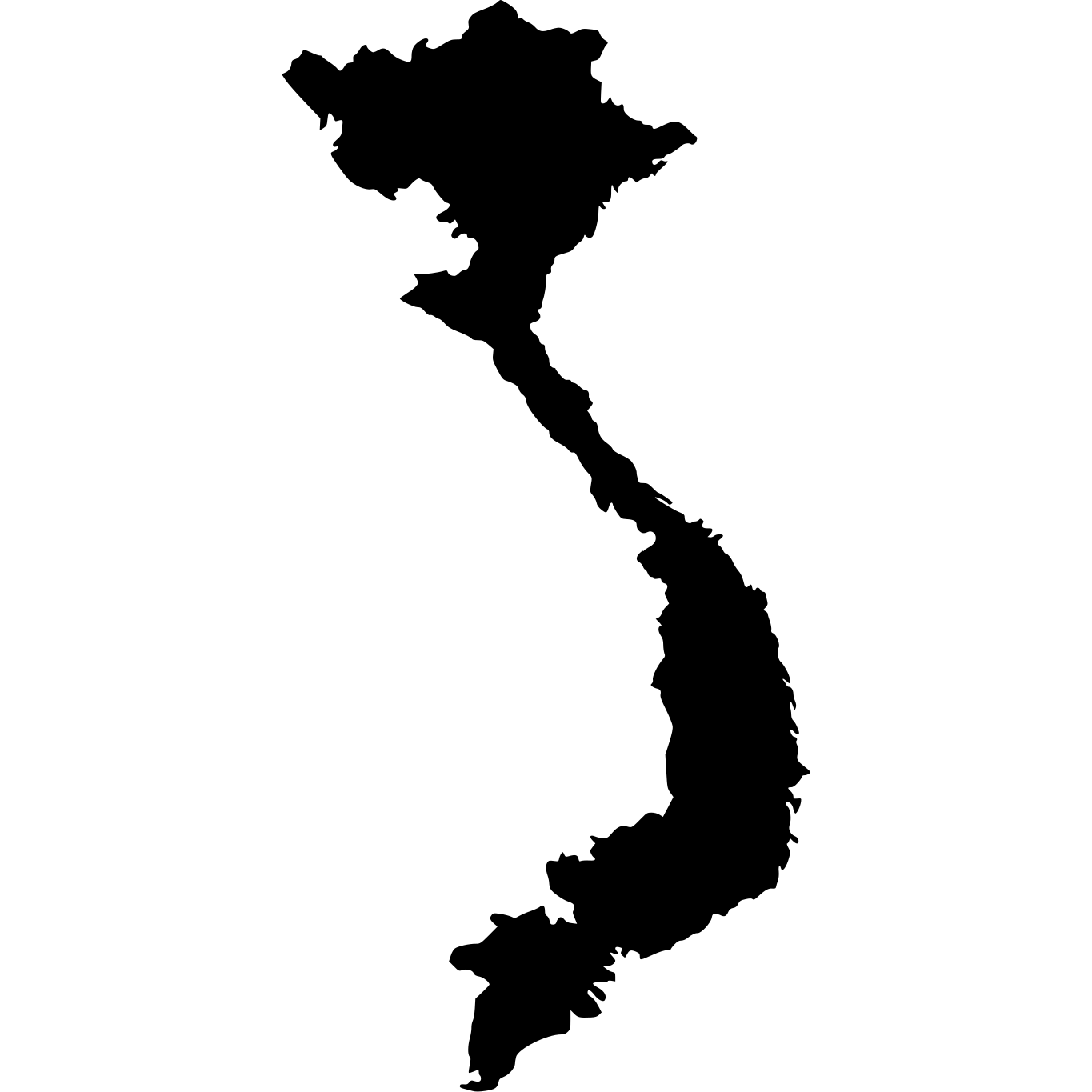
Where it's from
AcneCeutics is a Vietnamese brand

We're dedicated to providing you with the most up-to-date and science-backed ingredient info out there.
The data we've presented on this page has been verified by a member of the SkinSort Team.
Read more about us· Updated August 13, 2026 • Added by bpng


