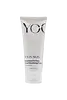
This salicylic acid foaming cleanser is formulated around Salicylic Acid to clear breakouts and unclog pores.
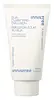
This oil-control emulsion is formulated around Niacinamide and Salicylic Acid to balance excess oil and clear breakouts.


What's inside
What's inside
 Key Ingredients
Benefits
Concerns
Ingredients Side-by-side
Water
Skin ConditioningGlycerin
Humectant


Stearic Acid
Cleansing


Myristic Acid
Cleansing

Palmitic Acid
Emollient
Potassium Hydroxide
BufferingLauric Acid
Cleansing
Cocamidopropyl Betaine
Cleansing

Potassium Cocoyl Glycinate
Surfactant
Glyceryl Stearate
Emollient
Salicylic Acid
Masking







Sodium Chloride
Masking1,2-Hexanediol
Skin Conditioning
Polyglyceryl-10 Myristate
Skin Conditioning
Sodium Benzoate
Masking
Cetyl Ethylhexanoate
EmollientButylene Glycol
Humectant
Ethylhexyl Palmitate
Emollient
Caprylic/Capric Triglyceride
Masking
Salix Alba Bark Extract
Astringent

Acrylates/C10-30 Alkyl Acrylate Crosspolymer
Emulsion StabilisingDipropylene Glycol
HumectantDisodium EDTA
ChelatingTocopheryl Acetate
Antioxidant

Polyquaternium-7
Parfum
Masking

Water, Glycerin, Stearic Acid, Myristic Acid, Palmitic Acid, Potassium Hydroxide, Lauric Acid, Cocamidopropyl Betaine, Potassium Cocoyl Glycinate, Glyceryl Stearate, Salicylic Acid, Sodium Chloride, 1,2-Hexanediol, Polyglyceryl-10 Myristate, Sodium Benzoate, Cetyl Ethylhexanoate, Butylene Glycol, Ethylhexyl Palmitate, Caprylic/Capric Triglyceride, Salix Alba Bark Extract, Acrylates/C10-30 Alkyl Acrylate Crosspolymer, Dipropylene Glycol, Disodium EDTA, Tocopheryl Acetate, Polyquaternium-7, Parfum
Water
Skin ConditioningButylene Glycol
Humectant
Caprylic/Capric Triglyceride
Masking
Methyl Trimethicone
Skin Conditioning
Cetearyl Alcohol
Emollient
Glyceryl Stearate Citrate
Emollient
Niacinamide
Smoothing


1,2-Hexanediol
Skin Conditioning
Polyglyceryl-10 Stearate
Skin Conditioning
Silica
Abrasive
Hydrogenated Coco-Glycerides
Emollient
Torreya Nucifera Seed Oil
Emollient
Salix Alba Bark Extract
Astringent
Hydroxyethyl Acrylate/Sodium Acryloyldimethyl Taurate Copolymer
Emulsion StabilisingGlyceryl Caprylate
EmollientRicinus Communis Seed Oil
Masking
Ethylhexylglycerin
Skin ConditioningDisodium EDTA
ChelatingSorbitan Isostearate
Emulsifying
Limonene
Perfuming
Juniperus Communis Fruit Oil
Masking
Pinus Sylvestris Leaf Oil
Masking
Juniperus Virginiana Oil
Masking
Salicylic Acid
Masking
Lavandula Angustifolia Oil
Masking
Citrus Aurantifolia Oil
Cleansing
Linalool
Perfuming
Citrus Limon Peel Oil
Masking
Artemisia Vulgaris Oil
Perfuming
Pogostemon Cablin Leaf Oil
Masking
Cupressus Sempervirens Leaf/Nut/Stem Oil
Emollient
Tocopherol
Antioxidant
Water, Butylene Glycol, Caprylic/Capric Triglyceride, Methyl Trimethicone, Cetearyl Alcohol, Glyceryl Stearate Citrate, Niacinamide, 1,2-Hexanediol, Polyglyceryl-10 Stearate, Silica, Hydrogenated Coco-Glycerides, Torreya Nucifera Seed Oil, Salix Alba Bark Extract, Hydroxyethyl Acrylate/Sodium Acryloyldimethyl Taurate Copolymer, Glyceryl Caprylate, Ricinus Communis Seed Oil, Ethylhexylglycerin, Disodium EDTA, Sorbitan Isostearate, Limonene, Juniperus Communis Fruit Oil, Pinus Sylvestris Leaf Oil, Juniperus Virginiana Oil, Salicylic Acid, Lavandula Angustifolia Oil, Citrus Aurantifolia Oil, Linalool, Citrus Limon Peel Oil, Artemisia Vulgaris Oil, Pogostemon Cablin Leaf Oil, Cupressus Sempervirens Leaf/Nut/Stem Oil, Tocopherol
Ingredients Explained
These ingredients are found in both products.
Ingredients higher up in an ingredient list are typically present in a larger amount.
1,2-Hexanediol is a synthetic liquid and another multi-functional powerhouse.
It is a:
- Humectant, drawing moisture into the skin
- Emollient, helping to soften skin
- Solvent, dispersing and stabilizing formulas
- Preservative booster, enhancing the antimicrobial activity of other preservatives
Butylene Glycol (or BG) is used within cosmetic products for a few different reasons:
Overall, Butylene Glycol is a safe and well-rounded ingredient that works well with other ingredients.
Though this ingredient works well with most skin types, some people with sensitive skin may experience a reaction such as allergic rashes, closed comedones, or itchiness.
Learn more about Butylene GlycolCaprylic/Capric Triglyceride (aka MCT Oil) is a lightweight emollient, solvent, and texture enhancer. It is considered a skin-softener by helping to prevent moisture loss.
Though it behaves like an oil, it is not technically one due to its chemical composition. One perk of this ingredient is that it is very stable, resistant to oxidation, and unlikely to go rancid.
In practice, that translates to a long shelf life and a consistently elegant skin feel.
While there is an assumption Caprylic Triglyceride can clog pores due to it being derived from coconut oil, there is no research supporting this. Just patch test if you have concerns.
Fractionated coconut oil and MCT Oil are both listed as Caprylic/Capric Triglyceride according to INCI. This is because INCI names are based on the ingredient’s final chemical composition and not its marketing name or source.
This ingredient is treated as the gold standard fungal acne safe oil. Even though it is coconut derived, the problematic lauric acid is stripped out.
This leaves just caprylic (C8) and capric (C10) acid. These chain lengths actually trend antifungal; a 2020 study found caprylic acid was enough to disrupt Malassezia furfur cell membrane, with a caprylic acid derivative damaging membrane structures at concentrations as low as 0.2%.
Learn more about Caprylic/Capric TriglycerideDisodium EDTA is a chelating agent. It grabs onto and deactivates metal ions that sneak into your products from water, packaging, or air.
This ingredient mainly works behind the scenes and helps with:
On top of that, this ingredient can counteract the effects of hard water by binding to the minerals in it.
One thing worth knowing is that Disodium EDTA has been shown to be a mild penetration enhancer. It can help other ingredients absorb into skin more effectively which can be a double-edged sword (great for actives, but can also make the active too strong if you have sensitive skin).
Clinical patch testing showed no significant skin irritation at typical use concentrations and minimal dermal absorption.
You'll most likely see this ingredient near the end of an ingredient list. It's typically found in concentrations less than 1%.
Learn more about Disodium EDTASalicylic Acid (also known as beta hydroxy acid or BHA) is a well-known ingredient for treating skin that struggles with acne and clogged pores. It exfoliates both the skin's surface and deep within the pores to help clear out buildup, control oil, and reduce inflammation.
Unlike AHAs (alpha hydroxy acids), salicylic acid is oil-soluble. This allows it to penetrate into pores which makes it especially effective for treating blackheads and preventing future breakouts.
Salicylic acid is also known for its soothing properties. It has a similar structure to aspirin and can calm inflamed or irritated skin, making it a good option for acne-prone skin that is also sensitive.
Concentrations of 0.5-2% are recognized by the U.S. FDA as an over-the-counter topical acne product.
It can cause irritation and/or dryness if one's skin already has a compromised moisture barrier, so it's best to focus on repairing that before introducing this ingredient into your routine.
While salicylic acid does not increase sun sensitivity, it’s still important to wear sunscreen daily to protect your skin.
If you are looking for the ingredient called BHA or Butylated Hydroxyanisole, click here.
Learn more about Salicylic AcidSalix Alba Bark Extract comes from the bark of the white willow tree. The official CosIng listing states this ingredient to have astringent, skin conditioning, soothing, and tonic properties.
Its star compound is salicin, a natural glucoside that is chemically related to salicylic acid. That's why you'll often see it marketed as a "natural BHA alternative" but that's a bit of a stretch.
Your skin can't convert salicin to salicylic acid because it needs specific enzymes that aren't present on the skin's surface. It won't behave like true salicylic acid, especially at the concentrations used in cosmetics.
However, this ingredient has its own perks. It contains flavonoids, polyphenols, and tannins that give it proven antioxidant and soothing properties.
An 8-week clinical study found a cream with 2% of this extract improved skin microcirculation, elasticity, and dark circles. This is most likely due to its role in increasing hyaluronic acid synthesis in fibroblasts and improved vascular integrity.
Another study found a topical serum with 0.5% salicin showed improvements in visible signs of aging, hyperpigmentation, and texture.
Just be careful if you have a known aspirin/salicylate allergy and be sure to consult with a medical professional about using this ingredient if you do.
Fun fact: Willow Bark extract has been used for thousands of years and ancient civilizations used white willow to help treat pain and fevers.
Learn more about Salix Alba Bark ExtractWater. It's the most common cosmetic ingredient of all. You'll usually see it at the top of ingredient lists, meaning that it makes up the largest part of the product.
So why is it so popular? Water most often acts as a solvent - this means that it helps dissolve other ingredients into the formulation.
You'll also recognize water as that liquid we all need to stay alive. If you see this, drink a glass of water. Remember to stay hydrated!
Learn more about Water

