Wardah Cica Complex+Panthenol Ceramide Calm & Soothe Gel Moisturizer Versus Glad2Glow B5-Cica Barrier Cream
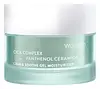
This calming moisturizer is formulated around Niacinamide and Centella Asiatica Extract to calm redness and strengthen the skin barrier.
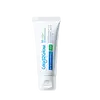
This barrier-repair moisturizer is formulated around Panthenol and Centella Asiatica Leaf Extract to strengthen the skin barrier and calm redness.

What's inside
What's inside
 Key Ingredients
Benefits
Concerns
No concerns
Ingredients Side-by-side
Water
Skin ConditioningNiacinamide
Smoothing











Butylene Glycol
Humectant
Propanediol
Solvent
Centella Asiatica Extract
Cleansing
Panthenol
Skin Conditioning
Ceramide NP
Skin Conditioning
Saccharide Isomerate
Humectant
Allantoin
Skin Conditioning
Mirabilis Jalapa Extract
Skin ConditioningGlycerin
Humectant
Xylitol
Humectant
1,2-Hexanediol
Skin Conditioning
Acrylates/C10-30 Alkyl Acrylate Crosspolymer
Emulsion StabilisingAmmonium Acryloyldimethyltaurate/Vp Copolymer
Aminomethyl Propanol
BufferingCaprylic/Capric Triglyceride
Masking
Chlorphenesin
Antimicrobial
Caprylhydroxamic Acid
ChelatingDisodium EDTA
ChelatingDeoxyphytantriyl Palmitamide Mea
Skin ConditioningHydrogenated Lecithin
Emulsifying
Cholesterol
Emollient
Citric Acid
Buffering

Sodium Citrate
BufferingWater, Niacinamide, Butylene Glycol, Propanediol, Centella Asiatica Extract, Panthenol, Ceramide NP, Saccharide Isomerate, Allantoin, Mirabilis Jalapa Extract, Glycerin, Xylitol, 1,2-Hexanediol, Acrylates/C10-30 Alkyl Acrylate Crosspolymer, Ammonium Acryloyldimethyltaurate/Vp Copolymer, Aminomethyl Propanol, Caprylic/Capric Triglyceride, Chlorphenesin, Caprylhydroxamic Acid, Disodium EDTA, Deoxyphytantriyl Palmitamide Mea, Hydrogenated Lecithin, Cholesterol, Citric Acid, Sodium Citrate
Water
Skin ConditioningPanthenol
Skin Conditioning
Dimethicone
Emollient
Methylpropanediol
SolventCetearyl Olivate

Coco-Caprylate/Caprate
Emollient
Squalane
Emollient
Sorbitan Olivate
Emulsifying
Centella Asiatica Leaf Extract
Skin Conditioning
Centella Asiatica Extract
Cleansing
Bisabolol
Antioxidant
Ectoin
Skin Conditioning
Madecassoside
Antioxidant
Tocopherol
Antioxidant
Asiaticoside
Antioxidant
Dicaprylyl Ether
Emollient
1,2-Hexanediol
Skin Conditioning
Ammonium Acryloyldimethyltaurate/Vp Copolymer
Sodium Acrylates Copolymer
Cetearyl Alcohol
Emollient



Dimethicone/Vinyl Dimethicone Crosspolymer
Skin Conditioning
Acrylates/C10-30 Alkyl Acrylate Crosspolymer
Emulsion StabilisingLecithin
Emollient
Aminomethyl Propanol
BufferingHydroxyacetophenone
Antioxidant
Water, Panthenol, Dimethicone, Methylpropanediol, Cetearyl Olivate, Coco-Caprylate/Caprate, Squalane, Sorbitan Olivate, Centella Asiatica Leaf Extract, Centella Asiatica Extract, Bisabolol, Ectoin, Madecassoside, Tocopherol, Asiaticoside, Dicaprylyl Ether, 1,2-Hexanediol, Ammonium Acryloyldimethyltaurate/Vp Copolymer, Sodium Acrylates Copolymer, Cetearyl Alcohol, Dimethicone/Vinyl Dimethicone Crosspolymer, Acrylates/C10-30 Alkyl Acrylate Crosspolymer, Lecithin, Aminomethyl Propanol, Hydroxyacetophenone
Reviews
Ingredients Explained
These ingredients are found in both products.
Ingredients higher up in an ingredient list are typically present in a larger amount.
1,2-Hexanediol is a synthetic liquid and another multi-functional powerhouse.
It is a:
- Humectant, drawing moisture into the skin
- Emollient, helping to soften skin
- Solvent, dispersing and stabilizing formulas
- Preservative booster, enhancing the antimicrobial activity of other preservatives
Acrylates/C10-30 Alkyl Acrylate Crosspolymer is a synthetic polymer. It is used to thicken, emulsify, and improve the texture of products.
As an emulsifier, it helps stabilize oil-in-water emulsions to give products an elegant feel when applied.
It can also form a thin protective film on skin. One study found that a formula using this polymer helped slow down how quickly other ingredients (like DEET) were absorbed through skin.
A 2024 study of over 1,300 patients confirmed that sensitization to this ingredient is rare. It is also non-mutagenic and has a clean track record.
Learn more about Acrylates/C10-30 Alkyl Acrylate CrosspolymerAminomethyl Propanol is used to adjust the pH of products. It is also used as a base to create other organic compounds. Having a balanced pH is important for protecting your skin.
Aminomethyl propanol is safe to use in cosmetics up to 1%. It is soluble in water.
Ammonium Acryloyldimethyltaurate/Vp Copolymer is a synthetically created polymer. It's used as a film-forming agent and used to thicken the consistency of products.
Think of it as a supportive ingredient that helps your gel-creams feel silky, "cloud cream-like", and spread evenly without being greasy.
The Cosmetic Ingredient Review (CIR) Expert Panel evaluated it (along with 22 other acryloyldimethyltaurate polymers) and concluded it's:
Due to its large molecular size, it sits on the surface of skin rather than penetrating it.
Learn more about Ammonium Acryloyldimethyltaurate/Vp CopolymerCentella Asiatica Extract (Centella) is one of the most researched botanical extracts in skincare with decades of studies backing its effects on inflammation, collagen, and the skin barrier.
That research keeps pointing back to the same four triterpenoid saponins: Asiaticoside, Madecassoside, Asiatic Acid, and Madecassic Acid.
These compounds allow centella to dial back inflammation, encourage the skin to build and hold onto collagen, support the barrier and hydration, and bring solid antioxidant activity to protect against signs of aging.
Centella also carries a nice supporting cast of Vitamin A, vitamin C, several B vitamins, and amino acids. Put it all together and you get an ingredient that soothes, hydrates, and protects, all at once.
Most of centella's magic comes from the four big compounds (Asiaticoside, Madecassoside, Asiatic Acid, and Madecassic Acid). These are the actives doing the heavy lifting in almost every centella study.
Here is the short version of what they do in the skin:
So it is not just soothing for the sake of soothing. Centella calms the skin AND helps it rebuild.
Just FYI, not all centella on an ingredient list is the same. What you are getting actually depends on the extract:
Fun fact on the ratios: the leaves tend to be richest in Madecassoside and Asiaticoside, and lower in the two acids. The exact amounts shift with where the plant is grown and how it is processed. This means purity really does vary brand to brand.
Centella is one of the most easygoing actives out there.
It layers well with basically everything: niacinamide, hyaluronic acid, peptides, and vitamin C, and also pairs nicely with stronger actives like retinoids and exfoliating acids where it can help take the edge off irritation.
On the safety side, centella and its triterpenes are classified as weak sensitizers, meaning allergic reactions are possible but uncommon.
Patch tests at 1% and 5% came back negative in test panels, and creams at typical use levels did not cause allergic reactions across large groups of people.
But as with any new active, a patch test is still a smart move for very reactive skin.
Centella is widely used because it is effective at low percentages. For context, human safety testing found no meaningful irritation from creams containing centella extract at everyday use levels (the tested amounts were well under 1%).
The irritancy threshold in animal testing was also above 30% (so real-world formulas sit far below anything concerning).
In collagen lab studies, higher concentrations drove more collagen synthesis, so serums built around centella tend to feature it more prominently.
Bottom line: you will find centella working nicely anywhere from a fraction of a percent up to hero-ingredient levels depending on whether it is a supporting soother or the main event.
Fun fact: Centella has been used as a medicine and in food for many centuries. As a medicine, it is used to treat burns, scratches, and wounds.
Learn more about Centella Asiatica ExtractPanthenol is a common ingredient that helps hydrate and soothe the skin. It is found naturally in our skin and hair.
There are two forms of panthenol: D and L.
D-panthenol is also known as dexpanthenol. Most cosmetics use dexpanthenol or a mixture of D and L-panthenol.
Panthenol is famous due to its ability to go deeper into the skin's layers. Using this ingredient has numerous pros (and no cons):
Like hyaluronic acid, panthenol is a humectant. Humectants are able to bind and hold large amounts of water to keep skin hydrated.
This ingredient works well for wound healing. It works by increasing tissue in the wound and helps close open wounds.
Once oxidized, panthenol converts to pantothenic acid. Panthothenic acid is found in all living cells.
This ingredient is also referred to as pro-vitamin B5.
Learn more about PanthenolWater. It's the most common cosmetic ingredient of all. You'll usually see it at the top of ingredient lists, meaning that it makes up the largest part of the product.
So why is it so popular? Water most often acts as a solvent - this means that it helps dissolve other ingredients into the formulation.
You'll also recognize water as that liquid we all need to stay alive. If you see this, drink a glass of water. Remember to stay hydrated!
Learn more about Water

