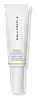
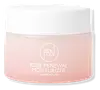
W3ll People Fresh Dew Snow Mushroom Gel Cream Moisturizer Versus Flora & Noor Rose Renewal Tri-Peptide and Ceramide Moisturizer
This barrier-repair moisturizer is formulated around Niacinamide and Ceramide Ng to strengthen the skin barrier and hydrate skin.
This anti-aging moisturizer is formulated around Aloe Barbadensis Leaf Juice and Tripeptide-29 to soften the look of wrinkles and strengthen the skin barrier.

What's inside
What's inside
 Key Ingredients
Benefits
Concerns
Ingredients Side-by-side
Water
Skin ConditioningNiacinamide
Smoothing











Glycerin
Humectant
Caprylic/Capric Triglyceride
Masking
Butylene Glycol
Humectant
C12-15 Alkyl Benzoate
AntimicrobialDiisostearyl Malate
EmollientJojoba Esters
Emollient

Sodium Acrylates Copolymer
Palmitoyl Hexapeptide-12
Skin Conditioning
Ceramide Ng
Skin Conditioning
Hydrolyzed Sodium Hyaluronate
Skin Conditioning
Sodium Hyaluronate
Humectant
Aloe Barbadensis Leaf Juice
Skin Conditioning
Tremella Fuciformis Sporocarp Extract
Antioxidant
Brassica Oleracea Italica Seed Oil
Emollient
Hydrolyzed Jojoba Esters
Skin Conditioning
Lecithin
Emollient
Anhydroxylitol
Humectant
Xylitol
Humectant
Xylitylglucoside
Humectant
Saccharide Isomerate
Humectant
Xanthan Gum
EmulsifyingTocopherol
Antioxidant
Tribehenin
Emollient
Arginine
Masking
Helianthus Annuus Seed Oil
Emollient
Carbomer
Emulsion StabilisingCitric Acid
Buffering
Sodium Citrate
BufferingPotassium Sorbate
Preservative
Sodium Benzoate
Masking
Phenethyl Alcohol
MaskingEthylhexylglycerin
Skin ConditioningCaprylyl Glycol
Emollient
Water, Niacinamide, Glycerin, Caprylic/Capric Triglyceride, Butylene Glycol, C12-15 Alkyl Benzoate, Diisostearyl Malate, Jojoba Esters, Sodium Acrylates Copolymer, Palmitoyl Hexapeptide-12, Ceramide Ng, Hydrolyzed Sodium Hyaluronate, Sodium Hyaluronate, Aloe Barbadensis Leaf Juice, Tremella Fuciformis Sporocarp Extract, Brassica Oleracea Italica Seed Oil, Hydrolyzed Jojoba Esters, Lecithin, Anhydroxylitol, Xylitol, Xylitylglucoside, Saccharide Isomerate, Xanthan Gum, Tocopherol, Tribehenin, Arginine, Helianthus Annuus Seed Oil, Carbomer, Citric Acid, Sodium Citrate, Potassium Sorbate, Sodium Benzoate, Phenethyl Alcohol, Ethylhexylglycerin, Caprylyl Glycol
Water
Skin ConditioningAloe Barbadensis Leaf Juice
Skin Conditioning
Carthamus Tinctorius Seed Oil
Masking
Glycerin
Humectant
Stearic Acid
Cleansing
Glyceryl Stearate
Emollient
Cetyl Alcohol
Emollient
Stearyl Alcohol
Emollient
Phenoxyethanol
Preservative
Glyceryl Stearate Citrate
Emollient
Sodium Carbomer
Emulsion StabilisingTripeptide-29
Skin Conditioning
Ethylhexylglycerin
Skin ConditioningTocopheryl Acetate
Antioxidant
Xanthan Gum
EmulsifyingCeramide NP
Skin Conditioning
Sodium Hyaluronate
Humectant
Hydrogenated Lecithin
Emulsifying
Polyglyceryl-10 Oleate
Skin Conditioning
Tea-Stearate
Cleansing

Sucrose Stearate
EmollientRosa Damascena Flower Water
Masking
Opuntia Ficus-Indica Seed Oil
Emollient
Water, Aloe Barbadensis Leaf Juice, Carthamus Tinctorius Seed Oil, Glycerin, Stearic Acid, Glyceryl Stearate, Cetyl Alcohol, Stearyl Alcohol, Phenoxyethanol, Glyceryl Stearate Citrate, Sodium Carbomer, Tripeptide-29, Ethylhexylglycerin, Tocopheryl Acetate, Xanthan Gum, Ceramide NP, Sodium Hyaluronate, Hydrogenated Lecithin, Polyglyceryl-10 Oleate, Tea-Stearate, Sucrose Stearate, Rosa Damascena Flower Water, Opuntia Ficus-Indica Seed Oil
Ingredients Explained
These ingredients are found in both products.
Ingredients higher up in an ingredient list are typically present in a larger amount.
Aloe Barbadensis Leaf Juice is the filtered, stabilized liquid pressed from the inner gel of the aloe vera leaf.
In cosmetics, it shows up as either soothing active or a water-replacement base. It is roughly 98-99% water and the last 1-2% is an interesting mix of polysaccharides, amino acids, vitamins, minerals, and enzymes.
The polysaccharides do most of the work: they bind water at the skin surface for a light, non-greasy hydration boost. And one of the polysaccharides, glycomannan, is linked to fibroblast stimulation + collagen synthesis. This is also why aloe has such a long track record in wound and burn healing.
This ingredient is also calming with anti-inflammatory and mild antimicrobial activity, making it a great pick for sensitive, irritated, or post-sun skin.
Realistic expectations matter though; the solid evidence is mostly limited to hydration, soothing, and wound support. Deeper claims about anti-aging or sun protection are not well backed, and science reviews note it does not prevent radiation-induced skin injury.
Because it plays well with almost everything, it's commonly used as a base alongside other actives like niacinamide or vitamin C.
Typical usage concentrations range from 0.5% (where hydration benefits already show up) all the way to 90%+ (where it replaces water as the main base).
The safety for this ingredient is well-establish as well. Overall, this is a great supporting ingredient for those who want a boost in hydration.
Learn more about Aloe Barbadensis Leaf JuiceEthylhexylglycerin is created from glycerin. It is a multitasker ingredient that:
The CIR Expert Panel found minimal skin absorption or sensitization of any kind in a safety assessment. Though this ingredient is considered well-tolerated, a small number of cases of allergic dermatitis have been published since 2002. Just be sure to patch test if you are unsure.
Industry-reported use ranges from 8% in rinse-off products and 2% in leave-on formulations.
Learn more about EthylhexylglycerinGlycerin (or glycerol) is a compound naturally found in your skin. It's a powerhouse humectant that pulls water into the stratum corneum.
Topically, glycerin does several things at once:
Your skin makes glycerin on its own (mostly from sebaceous oil breakdown) and shuttles it to your outermost layer of skin, or your epidermis, via aquaporin-3.
Aquaporin-3 is a transporter that is essential for normal skin hydration, elasticity, and repair. Interestingly, mice lacking in AQP3 have dry and less elastic skin that can be fully corrected with glycerin.
This ingredient is non-irritating, plays well with almost every ingredient, and works across all skin types. Typical use is anywhere between 3-10% but can go up to 79% in some leave-on products.
Just know very high concentrations (>40%) can feel tacky in low humidity.
Glycerin is the name for this ingredient in American English. British English uses Glycerol/Glycerine.
Learn more about GlycerinSodium Hyaluronate is the salt form of hyaluronic acid. It is a long sugar chain that is naturally found in your skin, joints, and connective tissue that maintains hydration and elasticity.
In skincare, it works as a humectant. It pulls water from the environment and deeper layers of skin and binds it to the surface.
Interestingly, the size of the molecule affects its behavior:
Some clinical evidence links low molecular weight versions to improved wrinkle depth, elasticity, anti-inflammatory effects, and barrier repair.
Many serums use a blend of both weights so you can get surface hydration plus longer-lasting and deeper effects.
You'll typically see concentrations between 0.1-2% for this ingredient.
Learn more about Sodium HyaluronateWater. It's the most common cosmetic ingredient of all. You'll usually see it at the top of ingredient lists, meaning that it makes up the largest part of the product.
So why is it so popular? Water most often acts as a solvent - this means that it helps dissolve other ingredients into the formulation.
You'll also recognize water as that liquid we all need to stay alive. If you see this, drink a glass of water. Remember to stay hydrated!
Learn more about WaterXanthan gum is used as a stabilizer and thickener within cosmetic products. It helps give products a sticky, thick feeling - preventing them from being too runny.
On the technical side of things, xanthan gum is a polysaccharide - a combination consisting of multiple sugar molecules bonded together.
Xanthan gum is a pretty common and great ingredient. It is a natural, non-toxic, non-irritating ingredient that is also commonly used in food products.
Learn more about Xanthan Gum

