

What's inside
What's inside
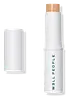 Key Ingredients
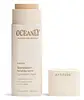
Benefits
Concerns
Ingredients Side-by-side
Helianthus Annuus Seed Oil
Emollient



Ricinus Communis Seed Oil
Masking
Carthamus Tinctorius Seed Oil
Masking
Copernicia Cerifera Cera
Emollient
Synthetic Beeswax
Emulsion Stabilising
Castor Isostearate Succinate
Skin Conditioning
Mica
Cosmetic ColorantTocopherol
Antioxidant






Polyhydroxystearic Acid
Emulsifying
Caprylic/Capric Triglyceride
Masking
Simmondsia Chinensis Seed Oil
Emollient
Rosa Rubiginosa Seed Oil
Emollient
Crambe Abyssinica Seed Oil
Skin Conditioning
Isostearic Acid
Cleansing

Lecithin
Emollient
Polyglyceryl-3 Polyricinoleate
Emulsifying
Calendula Officinalis Flower Extract
Masking
Camellia Sinensis Seed Oil
Humectant
Aloe Barbadensis Leaf Juice
Skin Conditioning
Maltodextrin
Absorbent
Sodium Benzoate
Masking
Potassium Sorbate
Preservative
CI 77891
Cosmetic ColorantCI 77491
Cosmetic ColorantCI 77492
Cosmetic ColorantCI 77499
Cosmetic ColorantHelianthus Annuus Seed Oil, Ricinus Communis Seed Oil, Carthamus Tinctorius Seed Oil, Copernicia Cerifera Cera, Synthetic Beeswax, Castor Isostearate Succinate, Mica, Tocopherol, Polyhydroxystearic Acid, Caprylic/Capric Triglyceride, Simmondsia Chinensis Seed Oil, Rosa Rubiginosa Seed Oil, Crambe Abyssinica Seed Oil, Isostearic Acid, Lecithin, Polyglyceryl-3 Polyricinoleate, Calendula Officinalis Flower Extract, Camellia Sinensis Seed Oil, Aloe Barbadensis Leaf Juice, Maltodextrin, Sodium Benzoate, Potassium Sorbate, CI 77891, CI 77491, CI 77492, CI 77499
Zinc Oxide
Cosmetic Colorant


Caprylic/Capric Triglyceride
Masking
Dicaprylyl Ether
Emollient
Glyceryl Behenate
Emollient
Glyceryl Stearate
Emollient
Octyldodecanol
Emollient
Cellulose
Absorbent
Octyldodecyl Myristate
EmollientMica
Cosmetic ColorantC10-18 Triglycerides
Emollient
Helianthus Annuus Seed Wax
Skin Conditioning
Polyhydroxystearic Acid
Emulsifying
Cocoyl Hydrolyzed Collagen
Cleansing
Ricinus Communis Seed Oil
Masking
Jojoba Esters
Emollient
Hydrated Silica
Abrasive
Helianthus Annuus Seed Oil
Emollient
Phytospherix
Water
Skin ConditioningAcacia Decurrens Flower Wax
Emollient
Polyglycerin-3
Humectant
Hydrogenated Lecithin
Emulsifying
Trihydroxystearin
Skin Conditioning
Calcium Chloride
AstringentAscophyllum Nodosum Extract
Skin Conditioning
Crithmum Maritimum Extract
Skin ConditioningFucus Vesiculosus Extract
Emollient
Laminaria Saccharina Extract
Skin Protecting
Plankton Extract
Skin ConditioningAscorbyl Palmitate
Antioxidant
CI 77491
Cosmetic ColorantCI 77492
Cosmetic ColorantCI 77499
Cosmetic ColorantZinc Oxide, Caprylic/Capric Triglyceride, Dicaprylyl Ether, Glyceryl Behenate, Glyceryl Stearate, Octyldodecanol, Cellulose, Octyldodecyl Myristate, Mica, C10-18 Triglycerides, Helianthus Annuus Seed Wax, Polyhydroxystearic Acid, Cocoyl Hydrolyzed Collagen, Ricinus Communis Seed Oil, Jojoba Esters, Hydrated Silica, Helianthus Annuus Seed Oil, Phytospherix, Water, Acacia Decurrens Flower Wax, Polyglycerin-3, Hydrogenated Lecithin, Trihydroxystearin, Calcium Chloride, Ascophyllum Nodosum Extract, Crithmum Maritimum Extract, Fucus Vesiculosus Extract, Laminaria Saccharina Extract, Plankton Extract, Ascorbyl Palmitate, CI 77491, CI 77492, CI 77499
Alternatives
Ingredients Explained
These ingredients are found in both products.
Ingredients higher up in an ingredient list are typically present in a larger amount.
Caprylic/Capric Triglyceride (aka MCT Oil) is a lightweight emollient, solvent, and texture enhancer. It is considered a skin-softener by helping to prevent moisture loss.
Though it behaves like an oil, it is not technically one due to its chemical composition. One perk of this ingredient is that it is very stable, resistant to oxidation, and unlikely to go rancid.
In practice, that translates to a long shelf life and a consistently elegant skin feel.
While there is an assumption Caprylic Triglyceride can clog pores due to it being derived from coconut oil, there is no research supporting this. Just patch test if you have concerns.
Fractionated coconut oil and MCT Oil are both listed as Caprylic/Capric Triglyceride according to INCI. This is because INCI names are based on the ingredient’s final chemical composition and not its marketing name or source.
This ingredient is treated as the gold standard fungal acne safe oil. Even though it is coconut derived, the problematic lauric acid is stripped out.
This leaves just caprylic (C8) and capric (C10) acid. These chain lengths actually trend antifungal; a 2020 study found caprylic acid was enough to disrupt Malassezia furfur cell membrane, with a caprylic acid derivative damaging membrane structures at concentrations as low as 0.2%.
Learn more about Caprylic/Capric TriglycerideCi 77491 is also hydrated iron III oxide. It's sole purpose is to give a red/pink hue to products.
Iron III oxides are classified as inorganic chemicals for coloring.
Synthetically created Ci 77491 is considered safer than those naturally found. This is because the synthetically created version may contain less impurities. Iron oxides are generally non-toxic and non-allergenic.
Learn more about CI 77491CI 77492 is also hydrated iron III oxide. It's sole purpose is to give a yellow hue to products.
Iron III oxides are classified as inorganic chemicals for coloring.
Synthetically created CI 77492 is considered safer than those naturally found. This is because the synthetically created version may contain less impurities. Iron oxides are generally non-toxic and non-allergenic.
Learn more about CI 77492Ci 77499 is also hydrated iron III oxide. It is created from mixing red and black iron oxides. This helps give shades of darkness to a product.
Iron III oxides are classified as inorganic chemicals for coloring.
Helianthus Annuus Seed Oil is a plant oil derived from the seeds of a sunflower.
It is rich in fatty acids, primarily linoleic acid and oleic acid. This gives it emollient and skin conditioning properties.
The reason this ingredient is so effective is because it forms a thin film on the skin that reduces transepidermal water loss (TEWL) while supplying linoleic acid to the stratum corneum to improve barrier strength.
The high linoleic acid content is particularly noteworthy for acne-prone skin.
Research suggests that acne-prone skin tends to be deficient in linoleic acid in sebum. Topical application may help replenish this to support a healthier follicular environment and less comedone-promoting sebum.
One randomized study found sunflower seed oil preserved skin barrier integrity in adult volunteers with and without atopic dermatitis (outperforming olive oil).
This ingredient is well-studied, gentle, and an effective emollient suitable for most skin types.
On fungal acne: This ingredient may not be Fungal acne (Malassezia folliculitis) safe. This is because it contains fatty acids with carbon chain lengths in the C11-C24 range.
Learn more about Helianthus Annuus Seed OilMica is a naturally occurring mineral used to add shimmer and color in cosmetics. It can also help improve the texture of a product or give it an opaque, white/silver color.
Serecite is the name for very fine but ragged grains of mica.
This ingredient is often coated with metal oxides like titanium dioxide. Trace amounts of heavy metals may be found in mica, but these metals are not harmful in our personal products.
Mica has been used since prehistoric times throughout the world. Ancient Egyptian, Indian, Greek, Roman, Aztec, and Chinese civilizations have used mica.
Learn more about MicaPolyhydroxystearic Acid is a vegetable-derived soft wax made from castor oil. It's an emulsion stabilizer, thickener, and film former.
You'll likely see it in sunscreens because it helps disperse pigments and UV-reflecting minerals like titanium dioxide and zinc oxide evenly.
Depending on the concentration, it can drastically change the texture of a product from pasty solid (like lipstick) to sprayable liquid.
The CIR Expert Panel for Cosmetic Ingredient Safety has concluded this ingredient to be safe in cosmetics. The highest reported use concentration is 14.2% in lipsticks.
Learn more about Polyhydroxystearic AcidThis ingredient is also known as castor oil. It is a skin conditioning ingredient.
The star component of castor oil is ricinoleic acid, an unusual fatty acid that makes up ~80-92% of its composition.
In skincare, it is an emollient that dries down to a solid film with water-binding properties. This helps keep skin hydrated and helps reduce transepidermal water loss (TEWL).
A 2026 dermatology review pulls together its broader uses:
Human clinical testing found this ingredient to be non-irritating and non-sensitizing.
Because castor oil contains fatty acids in the C11-24 range, this ingredient may not be fungal acne safe.
At this time, the literature does not support castor oil in regrowing hair. A 2022 systematic review found no strong evidence that it supports hair growth and only weak evidence that it improves hair shine.
Castor oil itself carries "perfuming" and "masking" function tags according to the official CosIng database. This is because of its mild odor and odor-dampening properties.
Learn more about Ricinus Communis Seed Oil

