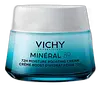
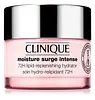
Vichy Minéral 89 Moisture Boosting Creme 72H Versus Clinique Moisture Surge Intense 72H Lipid-Replenishing Hydrator Moisturizer
This barrier-repair moisturizer is formulated around Niacinamide and Squalane to strengthen the skin barrier and hydrate skin.
This barrier-repair moisturizer is formulated around Squalane and Sodium Hyaluronate to strengthen the skin barrier and hydrate skin.


What's inside
What's inside
 Key Ingredients
Benefits
Concerns
Ingredients Side-by-side
Water
Skin ConditioningGlycerin
Humectant


Dicaprylyl Ether
Emollient
Pentylene Glycol
Skin Conditioning
Polyglyceryl-6 Distearate
Emulsifying

Niacinamide
Smoothing









Propanediol
Solvent
Cetyl Esters
Emollient
Jojoba Esters
Emollient
Cetearyl Isononanoate
Emollient
Squalane
Emollient
Behenyl Alcohol
Emollient
Adenosine
Skin Conditioning
Capryloyl Salicylic Acid
Exfoliating
Hydroxyacetophenone
Antioxidant
Mineral Salts
Skin ConditioningSodium Hyaluronate
Humectant
Trisodium Ethylenediamine Disuccinate
ChelatingVitreoscilla Ferment
Skin Conditioning
Tocopherol
Antioxidant
Acacia Decurrens Flower Cera
Emollient
Acrylamide/Sodium Acryloyldimethyltaurate Copolymer
Emulsion StabilisingCetyl Alcohol
Emollient
Helianthus Annuus Seed Cera
Emollient
Hydroxypropyl Starch Phosphate
Isohexadecane
EmollientPolyglycerin-3
Humectant
Polyglyceryl-3 Beeswax
Emulsifying
Polysorbate 80
Emulsifying
Sodium Stearoyl Glutamate
CleansingSorbitan Oleate
Emulsifying

Parfum
Masking


Water, Glycerin, Dicaprylyl Ether, Pentylene Glycol, Polyglyceryl-6 Distearate, Niacinamide, Propanediol, Cetyl Esters, Jojoba Esters, Cetearyl Isononanoate, Squalane, Behenyl Alcohol, Adenosine, Capryloyl Salicylic Acid, Hydroxyacetophenone, Mineral Salts, Sodium Hyaluronate, Trisodium Ethylenediamine Disuccinate, Vitreoscilla Ferment, Tocopherol, Acacia Decurrens Flower Cera, Acrylamide/Sodium Acryloyldimethyltaurate Copolymer, Cetyl Alcohol, Helianthus Annuus Seed Cera, Hydroxypropyl Starch Phosphate, Isohexadecane, Polyglycerin-3, Polyglyceryl-3 Beeswax, Polysorbate 80, Sodium Stearoyl Glutamate, Sorbitan Oleate, Parfum
Water
Skin ConditioningGlycerin
Humectant
Dimethicone
Emollient
Isopropyl Isostearate
Emollient
Dipropylene Glycol
HumectantSqualane
Emollient
PEG/PPG-18/18 Dimethicone
Emulsifying
Silica
Abrasive
Tocopheryl Acetate
Antioxidant
Sodium Hyaluronate
Humectant
Olea Europaea Fruit Extract
BleachingCentella Asiatica Extract
Cleansing
Aloe Barbadensis Leaf Water
MaskingPalmitoyl Hexapeptide-12
Skin Conditioning
Triticum Vulgare Bran Extract
Skin ConditioningCaffeine
Skin Conditioning
Methyl Trimethicone
Skin Conditioning
Sorbitol
Humectant
Sodium Polyaspartate
HumectantPetrolatum
Emollient
Trehalose
Humectant
Whey Protein
Skin ConditioningLinoleic Acid
Cleansing
Pyridoxine Dipalmitate
Skin ConditioningButylene Glycol
Humectant
Cholesterol
Emollient
Sucrose
Humectant
Polysilicone-11
Glyceryl Polymethacrylate
PEG-150
HumectantPEG-8
HumectantHydroxyethyl Urea
Humectant
Hydroxyacetophenone
Antioxidant
BHT
Antioxidant
Disodium EDTA
ChelatingSodium Hexametaphosphate
ChelatingSodium Benzoate
Masking
Potassium Sorbate
Preservative
Phenoxyethanol
Preservative
Water, Glycerin, Dimethicone, Isopropyl Isostearate, Dipropylene Glycol, Squalane, PEG/PPG-18/18 Dimethicone, Silica, Tocopheryl Acetate, Sodium Hyaluronate, Olea Europaea Fruit Extract, Centella Asiatica Extract, Aloe Barbadensis Leaf Water, Palmitoyl Hexapeptide-12, Triticum Vulgare Bran Extract, Caffeine, Methyl Trimethicone, Sorbitol, Sodium Polyaspartate, Petrolatum, Trehalose, Whey Protein, Linoleic Acid, Pyridoxine Dipalmitate, Butylene Glycol, Cholesterol, Sucrose, Polysilicone-11, Glyceryl Polymethacrylate, PEG-150, PEG-8, Hydroxyethyl Urea, Hydroxyacetophenone, BHT, Disodium EDTA, Sodium Hexametaphosphate, Sodium Benzoate, Potassium Sorbate, Phenoxyethanol
Reviews
Ingredients Explained
These ingredients are found in both products.
Ingredients higher up in an ingredient list are typically present in a larger amount.
Glycerin (or glycerol) is a compound naturally found in your skin. It's a powerhouse humectant that pulls water into the stratum corneum.
Topically, glycerin does several things at once:
Your skin makes glycerin on its own (mostly from sebaceous oil breakdown) and shuttles it to your outermost layer of skin, or your epidermis, via aquaporin-3.
Aquaporin-3 is a transporter that is essential for normal skin hydration, elasticity, and repair. Interestingly, mice lacking in AQP3 have dry and less elastic skin that can be fully corrected with glycerin.
This ingredient is non-irritating, plays well with almost every ingredient, and works across all skin types. Typical use is anywhere between 3-10% but can go up to 79% in some leave-on products.
Just know very high concentrations (>40%) can feel tacky in low humidity.
Glycerin is the name for this ingredient in American English. British English uses Glycerol/Glycerine.
Learn more about GlycerinHydroxyacetophenone is a small phenolic molecule that earns its place in a formulas as an antioxidant and preservative booster.
As a phenol, it is able to neutralize free radicals to protect both the product and the skin from oxidative stress.
Though it can't kill microbes on its own, it works as a good supporting agent when combined with other preservatives like Phenoxyethanol or 1,2-Hexanediol.
This ingredient naturally occurs as piceol in Norwegian spruce needles (~0.4-1.1% dry weight and in cloudberries). Though the cosmetic-grade material is synthesized for purity and consistency.
You'll usually see it used at low levels and suppliers recommend up to 1% added to a water phase.
Safety testing was done at concentrations like 0.05% in SPF products and 0.5% in a Human Repeated Insult Patch Test. The safety evidence is assuring; this ingredient is safe for cosmetics in current use and also holds safety status as a food flavoring as well.
An honest caveat: the "soothing" and "anti-inflammatory" claims come mostly from supplier marketing rather than published clinical trials. The Cosmetic Ingredient Review's own literature search found no useful efficacy studies on this ingredient.
So the antioxidant and preservative-boosting roles are the well supported ones while the calming benefit is plausible but thinly evidenced.
Overall, this is a well-tolerated, low-irritation multitasker that quietly helps a formula stay fresh and stable.
Learn more about HydroxyacetophenoneSodium Hyaluronate is the salt form of hyaluronic acid. It is a long sugar chain that is naturally found in your skin, joints, and connective tissue that maintains hydration and elasticity.
In skincare, it works as a humectant. It pulls water from the environment and deeper layers of skin and binds it to the surface.
Interestingly, the size of the molecule affects its behavior:
Some clinical evidence links low molecular weight versions to improved wrinkle depth, elasticity, anti-inflammatory effects, and barrier repair.
Many serums use a blend of both weights so you can get surface hydration plus longer-lasting and deeper effects.
You'll typically see concentrations between 0.1-2% for this ingredient.
Learn more about Sodium HyaluronateSqualane is the hydrogenated and shelf-stable form of squalene (a lipid that naturally occurs in human sebum).
It is an emollient and skin conditioning agent that is able to integrate seamlessly into the skin's lipid barrier without clogging pores.
This is due to how structurally similar it is to what your skin already produces.
Though it is mostly an emollient that helps soften and hydrate skin, it also has some humectant and occlusive action. Humectants help the skin retain moisture while occlusives seal it in, making squalane a triple-threat moisturizer.
Research shows it has antioxidant capabilities that help protect against stressors like UV exposure, specifically UVA induced oxidative stress. This study also found that it supports collagen biosynthesis in human dermal fibroblasts.
No clinical study has reported significant adverse effects and irritation reactions are very rare from this ingredient (even at 100% concentration).
Overall, it's a fantastic ingredient for hydration and is suitable for all skin types.
This depends on the source. Squalane can be derived from both plants and animals. Most squalane used in skincare comes from plants.
Please note: the source of squalane is only known if disclosed by the brand. We recommend reaching out to the brand if you have any questions about their squalane.
Read more about squalene with an "e".
Though squalane is often called an oil, it’s technically not one. It is a hydrocarbon, meaning it is only made of carbon and hydrogen. True oils are triglycerides and made of fatty acids and glycerol.
The term “oil-free” isn’t regulated so companies can define it however they want. Some exclude all oils, while others just avoid mineral oil or comedogenic oils.
Squalane has a comedogenic rating of 1 from the original 1972 study that tested raw ingredients under occlusion on rabbit ears. This system is not standardized or peer-reviewed, and using the raw ingredients is very different from how diluted cosmetic formulations are used on human skin.
A comedogenic rating of 1 means it is "unlikely to clog pores" according to the original rating system.
The overall formula of a product matters more than the individual ingredients on whether or not it will cause clogged pores.
Learn more about SqualaneWater. It's the most common cosmetic ingredient of all. You'll usually see it at the top of ingredient lists, meaning that it makes up the largest part of the product.
So why is it so popular? Water most often acts as a solvent - this means that it helps dissolve other ingredients into the formulation.
You'll also recognize water as that liquid we all need to stay alive. If you see this, drink a glass of water. Remember to stay hydrated!
Learn more about Water

