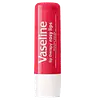
This barrier-repair lip moisturizer is formulated around Ricinus Communis Seed Oil and Petrolatum to strengthen the lip barrier and hydrate lips.
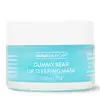
This hydrating lip mask is formulated around Squalane and Butyrospermum Parkii Butter to hydrate lips and strengthen the lip barrier.

What's inside
What's inside
 Key Ingredients
Benefits
Concerns
Ingredients Side-by-side
Octyldodecanol
Emollient
Microcrystalline Wax
Emulsion StabilisingCaprylic/Capric Triglyceride
Masking


Ricinus Communis Seed Oil
Masking



Cetyl Palmitate
Emollient
Petrolatum
Emollient

Myristyl Myristate
Emollient

Polyglyceryl-3 Distearate
Emulsifying
Water
Skin ConditioningButyrospermum Parkii Butter
Skin Conditioning
Copernicia Cerifera Wax
Cetearyl Alcohol
Emollient
C20-40 Alkyl Stearate
Skin ConditioningBeeswax
Emulsion Stabilising
Glycerin
Humectant
Tocopheryl Acetate
Antioxidant


Rose Flower Oil
Masking
Olea Europaea Fruit Oil
Masking
Prunus Amygdalus Dulcis Oil
Skin Conditioning
Vaccinium Macrocarpon Fruit Extract
AstringentRubus Idaeus Fruit Extract
AstringentButylene Glycol
Humectant
Parfum
Masking
CI 15850
Cosmetic ColorantCI 77491
Cosmetic ColorantOctyldodecanol, Microcrystalline Wax, Caprylic/Capric Triglyceride, Ricinus Communis Seed Oil, Cetyl Palmitate, Petrolatum, Myristyl Myristate, Polyglyceryl-3 Distearate, Water, Butyrospermum Parkii Butter, Copernicia Cerifera Wax, Cetearyl Alcohol, C20-40 Alkyl Stearate, Beeswax, Glycerin, Tocopheryl Acetate, Rose Flower Oil, Olea Europaea Fruit Oil, Prunus Amygdalus Dulcis Oil, Vaccinium Macrocarpon Fruit Extract, Rubus Idaeus Fruit Extract, Butylene Glycol, Parfum, CI 15850, CI 77491
Squalane
Emollient
Hydrogenated Styrene/Isoprene Copolymer
Synthetic Wax
Abrasive
Caprylic/Capric Triglyceride
Masking
Euphorbia Cerifera Wax
Butyrospermum Parkii Butter
Skin Conditioning
Camellia Japonica Seed Oil
Emollient
Parfum
Masking
Water
Skin ConditioningPEG-40 Hydrogenated Castor Oil
Emulsifying
Tocopheryl Acetate
Antioxidant
Fragaria Chiloensis Fruit Extract
Skin Conditioning
Mangifera Indica Fruit Extract
Skin ConditioningPrunus Speciosa Flower Extract
HumectantButylene Glycol
Humectant
Vaccinium Angustifolium Fruit Extract
Skin Protecting
Vanilla Planifolia Fruit Extract
Skin Conditioning
Hyaluronic Acid
Humectant
Ceramide NP
Skin Conditioning

1,2-Hexanediol
Skin Conditioning
Cholesterol
Emollient
Glycerin
Humectant
Sodium Chloride
MaskingCeramide As
Skin Conditioning
Persea Gratissima Oil
Skin Conditioning
Hydrogenated Lecithin
Emulsifying
Phenoxyethanol
Preservative
Rosin
CI 15850
Cosmetic ColorantCI 17200
Cosmetic ColorantCI 42090
Cosmetic ColorantCI 15985
Cosmetic ColorantCI 19140
Cosmetic ColorantCI 60730
Cosmetic ColorantCI 47000
Cosmetic ColorantSqualane, Hydrogenated Styrene/Isoprene Copolymer, Synthetic Wax, Caprylic/Capric Triglyceride, Euphorbia Cerifera Wax, Butyrospermum Parkii Butter, Camellia Japonica Seed Oil, Parfum, Water, PEG-40 Hydrogenated Castor Oil, Tocopheryl Acetate, Fragaria Chiloensis Fruit Extract, Mangifera Indica Fruit Extract, Prunus Speciosa Flower Extract, Butylene Glycol, Vaccinium Angustifolium Fruit Extract, Vanilla Planifolia Fruit Extract, Hyaluronic Acid, Ceramide NP, 1,2-Hexanediol, Cholesterol, Glycerin, Sodium Chloride, Ceramide As, Persea Gratissima Oil, Hydrogenated Lecithin, Phenoxyethanol, Rosin, CI 15850, CI 17200, CI 42090, CI 15985, CI 19140, CI 60730, CI 47000
Reviews
Ingredients Explained
These ingredients are found in both products.
Ingredients higher up in an ingredient list are typically present in a larger amount.
Butylene Glycol (or BG) is used within cosmetic products for a few different reasons:
Overall, Butylene Glycol is a safe and well-rounded ingredient that works well with other ingredients.
Though this ingredient works well with most skin types, some people with sensitive skin may experience a reaction such as allergic rashes, closed comedones, or itchiness.
Learn more about Butylene GlycolThis ingredient is also known as shea butter. It is a plant-derived extract from the nuts of the Africa shea tree and one of the most well-studied emollients.
Because it has a high concentration of fatty acids (primarily oleic, stearic, and linoleic) it is able to form a protective barrier on the skin's surface. This helps seal in moisture and prevents transepidermal water loss (TEWL).
In vitro research found an increase in skin hydration by 58% and a decrease in TEWL by 37.8% after 24 hours of applying this ingredient (pretty impressive for a single ingredient!).
Besides hydration, shea butter also contains triterpenes that have anti-inflammatory potential. In particule, lupeol cinnamate has shown the highest anti-inflammatory activity in vivo.
Shea butter also contains vitamins A and E which may contribute to antioxidant activity.
While Shea Butter has an SPF rating of about 3-4, it is not a sunscreen replacement.
This ingredient may not be fungal acne safe because its fatty acids fall within the C11-C24 range that the Malassezia yeast can metabolize.
This ingredient shows up on a lot of "pore-clogging" lists but there's no real evidence behind that. It doesn't even have a comedogenic rating from an actual study; the numbers you'll find online come from blogs citing other blogs.
Ratings for other ingredients mostly come from a 1980s rabbit ear test. This test doesn't translate well to human skin or to real products because the ingredient sits at a much lower percentage.
Some people still find it breaks them out. So if that's you, definitely trust your skin. Just know this one's based on experience and not evidence.
Learn more about Butyrospermum Parkii ButterCaprylic/Capric Triglyceride (aka MCT Oil) is a lightweight emollient, solvent, and texture enhancer. It is considered a skin-softener by helping to prevent moisture loss.
Though it behaves like an oil, it is not technically one due to its chemical composition. One perk of this ingredient is that it is very stable, resistant to oxidation, and unlikely to go rancid.
In practice, that translates to a long shelf life and a consistently elegant skin feel.
While there is an assumption Caprylic Triglyceride can clog pores due to it being derived from coconut oil, there is no research supporting this. Just patch test if you have concerns.
Fractionated coconut oil and MCT Oil are both listed as Caprylic/Capric Triglyceride according to INCI. This is because INCI names are based on the ingredient’s final chemical composition and not its marketing name or source.
This ingredient is treated as the gold standard fungal acne safe oil. Even though it is coconut derived, the problematic lauric acid is stripped out.
This leaves just caprylic (C8) and capric (C10) acid. These chain lengths actually trend antifungal; a 2020 study found caprylic acid was enough to disrupt Malassezia furfur cell membrane, with a caprylic acid derivative damaging membrane structures at concentrations as low as 0.2%.
Learn more about Caprylic/Capric TriglycerideCi 15850 is the pigment color red. It is an azo dye and created synthetically.
Azo dyes need to be thoroughly purified before use. This allows them to be more stable and longer-lasting.
This ingredient is common in foundations, lipsticks, and blushes. This color is described as brown/orangey red.
It has many secondary names such as Red 6 and Red 7. According to a manufacturer, Red 6 usually contains aluminum.
Learn more about CI 15850Glycerin (or glycerol) is a compound naturally found in your skin. It's a powerhouse humectant that pulls water into the stratum corneum.
Topically, glycerin does several things at once:
Your skin makes glycerin on its own (mostly from sebaceous oil breakdown) and shuttles it to your outermost layer of skin, or your epidermis, via aquaporin-3.
Aquaporin-3 is a transporter that is essential for normal skin hydration, elasticity, and repair. Interestingly, mice lacking in AQP3 have dry and less elastic skin that can be fully corrected with glycerin.
This ingredient is non-irritating, plays well with almost every ingredient, and works across all skin types. Typical use is anywhere between 3-10% but can go up to 79% in some leave-on products.
Just know very high concentrations (>40%) can feel tacky in low humidity.
Glycerin is the name for this ingredient in American English. British English uses Glycerol/Glycerine.
Learn more about GlycerinParfum is a catch-all term for an ingredient or more that is used to give a scent to products.
Also called "fragrance", this ingredient can be a blend of hundreds of chemicals or plant oils. This means every product with "fragrance" or "parfum" in the ingredients list is a different mixture.
For instance, Habanolide is a proprietary trade name for a specific aroma chemical. When used as a fragrance ingredient in cosmetics, most aroma chemicals fall under the broad labeling category of “FRAGRANCE” or “PARFUM” according to EU and US regulations.
The term 'parfum' or 'fragrance' is not regulated in many countries. In many cases, it is up to the brand to define this term.
For instance, many brands choose to label themselves as "fragrance-free" because they are not using synthetic fragrances. However, their products may still contain ingredients such as essential oils that are considered a fragrance by INCI standards.
One example is Calendula flower extract. Calendula is an essential oil that still imparts a scent or 'fragrance'.
Depending on the blend, the ingredients in the mixture can cause allergies and sensitivities on the skin. Some ingredients that are known EU allergens include linalool and citronellol.
Parfum can also be used to mask or cover an unpleasant scent.
The bottom line is: not all fragrances/parfum/ingredients are created equally. If you are worried about fragrances, we recommend taking a closer look at an ingredient. And of course, we always recommend speaking with a professional.
Learn more about ParfumTocopheryl Acetate is a stable, shelf-friendly form of vitamin E.
Formulators love it because plain vitamin E oxidizes quickly once it hits air. This acetate version stays stable and resists going off, helping to extend a product's shelf life.
It's actually inactive on its own and works like a slow-release "storage" form; the enzymes in your skin called esterases gradually convert it into active vitamin E over time.
One in vivo study showed 5% of the acetate in the living layer of the epidermis converted to vitamin E after 5 days of application. This study also found the skin gained protection against UV damage even though the conversion was slow and small.
Once converted, vitamin E acts as a skin's main fat-soluble antioxidant that fights free radicals to protect skin from damage.
Topical vitamin E generally boosts the skin's photoprotection, and it reduced UV-damage in animal models.
This ingredient has some brightening potential but it's more of a prevention ingredient than spot-fader. Cell studies show it can slow down melanin production but it's worth noting that it's not the most powerful brightener out there.
Overall, it has a pretty solid safety profile and has been found to be non-irritating and non-comedogenic. Allergic reactions may happen but stay rare due to how widely the ingredient gets used.
The concentration will vary depending on the formula; industry data shows 0.1% in baby lotions, 3% in lipsticks, and 5% in foot powders. You can also find this ingredient at 100% in a pure vitamin E oil.
Most leave-on skincare keeps it at the lower end, often between 0.5-1%.
Learn more about Tocopheryl AcetateWater. It's the most common cosmetic ingredient of all. You'll usually see it at the top of ingredient lists, meaning that it makes up the largest part of the product.
So why is it so popular? Water most often acts as a solvent - this means that it helps dissolve other ingredients into the formulation.
You'll also recognize water as that liquid we all need to stay alive. If you see this, drink a glass of water. Remember to stay hydrated!
Learn more about Water

