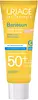
This chemical sunscreen covers the full UV range and blocks ~98% of UVB at SPF 50.
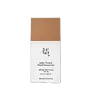
This mineral sunscreen covers the full UV range and blocks ~98% of UVB at SPF 40.


What's inside
What's inside
 Key Ingredients
Benefits
Concerns
Ingredients Side-by-side
Water
Skin ConditioningDicaprylyl Carbonate
EmollientMethylene Bis-Benzotriazolyl Tetramethylbutylphenol
UV Filter
CI 77891
Cosmetic ColorantEthylhexyl Triazone
UV Absorber
Butyl Methoxydibenzoylmethane
UV Absorber
Diisopropyl Sebacate
EmollientPropylene Glycol Dicaprylate/Dicaprate
EmollientC12-15 Alkyl Benzoate
AntimicrobialDiisopropyl Adipate
EmollientBis-Ethylhexyloxyphenol Methoxyphenyl Triazine
Skin Conditioning
Silica
Abrasive


Triacontanyl Pvp
HumectantGlycerin
Humectant


C20-22 Alkyl Phosphate
EmulsifyingC20-22 Alcohols
Emulsion Stabilising
Decyl Glucoside
Cleansing
Hydrogenated Palm Kernel Glycerides
EmollientButylene Glycol
Humectant
Glucose
Humectant
CI 77492
Cosmetic ColorantXanthan Gum
EmulsifyingParfum
Masking




Coco-Glucoside
Cleansing
Benzoic Acid
Masking
Tetrasodium EDTA
Coconut Alcohol
Emollient
Hydrogenated Palm Glycerides
Emollient
CI 77491
Cosmetic ColorantTriethoxycaprylylsilane

Hydrogenated Polydecene
EmollientTocopheryl Acetate
Antioxidant


O-Cymen-5-Ol
Antimicrobial
Trehalose
Humectant
Propylene Glycol
Humectant
CI 77499
Cosmetic ColorantCitric Acid
Buffering
Sodium Hydroxide
BufferingAscorbyl Tetraisopalmitate
Antioxidant

Tocopherol
Antioxidant
Spirulina Platensis Extract
Skin ProtectingPolyquaternium-51
Skin Conditioning
Water, Dicaprylyl Carbonate, Methylene Bis-Benzotriazolyl Tetramethylbutylphenol, CI 77891, Ethylhexyl Triazone, Butyl Methoxydibenzoylmethane, Diisopropyl Sebacate, Propylene Glycol Dicaprylate/Dicaprate, C12-15 Alkyl Benzoate, Diisopropyl Adipate, Bis-Ethylhexyloxyphenol Methoxyphenyl Triazine, Silica, Triacontanyl Pvp, Glycerin, C20-22 Alkyl Phosphate, C20-22 Alcohols, Decyl Glucoside, Hydrogenated Palm Kernel Glycerides, Butylene Glycol, Glucose, CI 77492, Xanthan Gum, Parfum, Coco-Glucoside, Benzoic Acid, Tetrasodium EDTA, Coconut Alcohol, Hydrogenated Palm Glycerides, CI 77491, Triethoxycaprylylsilane, Hydrogenated Polydecene, Tocopheryl Acetate, O-Cymen-5-Ol, Trehalose, Propylene Glycol, CI 77499, Citric Acid, Sodium Hydroxide, Ascorbyl Tetraisopalmitate, Tocopherol, Spirulina Platensis Extract, Polyquaternium-51
Zinc Oxide
Cosmetic Colorant
Water
Skin ConditioningButyloctyl Salicylate
Skin Conditioning
Isopropyl Myristate
Emollient

Coco-Caprylate/Caprate
Emollient
Caprylic/Capric Triglyceride
Masking
Neopentyl Glycol Diheptanoate
EmollientCI 77492
Cosmetic ColorantEthylhexyl Isononanoate
EmollientAlcohol Denat.
Antimicrobial

Polyglyceryl-3 Polyricinoleate
Emulsifying
Butylene Glycol
Humectant
C12-15 Alkyl Benzoate
AntimicrobialPropanediol
Solvent
Silica
Abrasive
Methyl Methacrylate Crosspolymer
CI 77491
Cosmetic ColorantStearic Acid
Cleansing
Polyglyceryl-6 Polyhydroxystearate
Emulsifying
Hydrogenated Olive Oil Unsaponifiables
Emollient
Artemisia Capillaris Extract
Polyglyceryl-4 Diisostearate/Polyhydroxystearate/Sebacate
Emulsifying
Stearalkonium Hectorite
Gel FormingUndecane
Emollient1,2-Hexanediol
Skin Conditioning
Polyglyceryl-6 Polyricinoleate
Emulsifying
Hydroxyacetophenone
Antioxidant
Tridecane
Perfuming
Isopropyl Titanium Triisostearate
Emollient
Polyglycerin-6
HumectantTocopherol
Antioxidant
Ascorbyl Palmitate
Antioxidant
CI 77499
Cosmetic ColorantZinc Oxide, Water, Butyloctyl Salicylate, Isopropyl Myristate, Coco-Caprylate/Caprate, Caprylic/Capric Triglyceride, Neopentyl Glycol Diheptanoate, CI 77492, Ethylhexyl Isononanoate, Alcohol Denat., Polyglyceryl-3 Polyricinoleate, Butylene Glycol, C12-15 Alkyl Benzoate, Propanediol, Silica, Methyl Methacrylate Crosspolymer, CI 77491, Stearic Acid, Polyglyceryl-6 Polyhydroxystearate, Hydrogenated Olive Oil Unsaponifiables, Artemisia Capillaris Extract, Polyglyceryl-4 Diisostearate/Polyhydroxystearate/Sebacate, Stearalkonium Hectorite, Undecane, 1,2-Hexanediol, Polyglyceryl-6 Polyricinoleate, Hydroxyacetophenone, Tridecane, Isopropyl Titanium Triisostearate, Polyglycerin-6, Tocopherol, Ascorbyl Palmitate, CI 77499
Reviews
Ingredients Explained
These ingredients are found in both products.
Ingredients higher up in an ingredient list are typically present in a larger amount.
Butylene Glycol (or BG) is used within cosmetic products for a few different reasons:
Overall, Butylene Glycol is a safe and well-rounded ingredient that works well with other ingredients.
Though this ingredient works well with most skin types, some people with sensitive skin may experience a reaction such as allergic rashes, closed comedones, or itchiness.
Learn more about Butylene GlycolC12-15 Alkyl Benzoate is a lightweight emollient made by combinig benzoic acid with fatty alcohols that are 12-15 carbons long.
In cosmetics, it plays several roles:
The Cosmetic Review Expert Panel has concluded the alkyl benzoate group to be safe as used in cosmetics; it wasn't found to be a skin irritant and unlikely to be absorbed due to its low water solubility.
This report recorded almost 1000 reported uses with concentrations up to 59% in leave-on products but your cosmetics will typically use 0.5-15% depending on the product.
It's often called a "SPF booster": this is because it keeps UV filters properly dissolved and evenly distributed to support a sunscreen's performance. It doesn't actually raise SPF on its own.
Overall, this ingredient is well tolerated.
This ingredient is fungal acne safe because it is an ester of benzoic acid.
Think of this ingredient as two parts stuck together: an oily part and an acid part. Malassezia only gets a meal when it can snip off a fatty acid to eat. With C12-15 Alkyl Benzoate, the acid part is benzoic acid, which isn't a fatty acid and which the yeast can't use as food.
Benzoic acid is actually used as a preservative to stop yeast from growing.
The oily part is a blend of C12-15 fatty alcohols but fatty alcohols in this size range can support only a little Malassezia growth (mostly for one species of Malassezia as well).
In the ingredient, those alcohols stay locked inside the molecule. The yeast can only reach them by snipping the benzoate bond, and that type of bond is harder for it to cut than a normal fatty bond.
So not much gets released. And whatever does get snipped comes packaged with benzoic acid, which discourages yeast growth.
Learn more about C12-15 Alkyl BenzoateCi 77491 is also hydrated iron III oxide. It's sole purpose is to give a red/pink hue to products.
Iron III oxides are classified as inorganic chemicals for coloring.
Synthetically created Ci 77491 is considered safer than those naturally found. This is because the synthetically created version may contain less impurities. Iron oxides are generally non-toxic and non-allergenic.
Learn more about CI 77491CI 77492 is also hydrated iron III oxide. It's sole purpose is to give a yellow hue to products.
Iron III oxides are classified as inorganic chemicals for coloring.
Synthetically created CI 77492 is considered safer than those naturally found. This is because the synthetically created version may contain less impurities. Iron oxides are generally non-toxic and non-allergenic.
Learn more about CI 77492Ci 77499 is also hydrated iron III oxide. It is created from mixing red and black iron oxides. This helps give shades of darkness to a product.
Iron III oxides are classified as inorganic chemicals for coloring.
Silica, also known as silicon dioxide, is a naturally occurring mineral. It is used as a fine, spherical, and porous powder in cosmetics.
Though it has exfoliant properties, the function of silica varies depending on the product.
The unique structure of silica enhances the spreadability and adds smoothness, making it a great texture enhancer.
It is also used as an active carrier, emulsifier, and mattifier due to its ability to absorb excess oil.
In some products, tiny microneedles called spicules are made from silica or hydrolyzed sponge. When you rub them in, they lightly polish away dead skin layers and enhance the penetration of active ingredients.
Learn more about SilicaTocopherol is a fat-soluble antioxidant known as Vitamin E.
You'll find this ingredient in the vast majority of skincare (for good reason). It works to neutralize free radicals, or unstable molecules generated by UV exposure, pollution, and other environmental stressors, before they can cause oxidative damage to your skin cells.
Topically applied tocopherol has been shown to protect against UV damage by ramping up the skin's own natural defense enzymes.
It also acts as a skin conditioning agent; some studies show that regular topical use can improve the skin's water-binding capacity over 2-4 weeks.
This ingredient is especially loved for being a team player. When combined with Vitamin C, the photoprotective effect of both ingredients roughly doubles and the combo also helps reduce UV-induced DNA damage.
This ingredient has some brightening potential but it's more of a prevention ingredient than spot-fader. Cell studies show it can slow down melanin production but it's worth noting that it's not the most powerful brightener out there.
In formulations, it also serves as a stabilizer that helps protect other oxidation-prone ingredients from degrading.
Concentrations usually range from 0.1-1% in most leave-on products.
Learn more about TocopherolWater. It's the most common cosmetic ingredient of all. You'll usually see it at the top of ingredient lists, meaning that it makes up the largest part of the product.
So why is it so popular? Water most often acts as a solvent - this means that it helps dissolve other ingredients into the formulation.
You'll also recognize water as that liquid we all need to stay alive. If you see this, drink a glass of water. Remember to stay hydrated!
Learn more about Water

