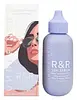
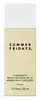
Undefined Beauty R&R Sun Serum SPF 50 PA++++ Versus Summer Fridays ShadeDrops Broad Spectrum SPF 30 Mineral Milk Sunscreen
This barrier-repair serum is formulated around Niacinamide and Tremella Fuciformis Sporocarp Extract to strengthen the skin barrier and calm redness.
This hybrid sunscreen covers the full UV range and blocks ~97% of UVB at SPF 30.

What's inside
What's inside
 Key Ingredients
Benefits
Concerns
Ingredients Side-by-side
Water
Skin ConditioningCaprylic/Capric Triglyceride
Masking


C12-15 Alkyl Benzoate
AntimicrobialPropanediol
Solvent
Tridecyl Salicylate
Skin Conditioning
Polyglyceryl-4 Diisostearate/Polyhydroxystearate/Sebacate
Emulsifying

Methylheptyl Isostearate
Skin ConditioningJojoba Esters
Emollient
Niacinamide
Smoothing










Nylon-12

Methylpropanediol
SolventSilica
Abrasive
Rubus Idaeus Seed Oil
Emollient
Tremella Fuciformis Sporocarp Extract
Antioxidant
Allantoin
Skin Conditioning
Bisabolol
Antioxidant
Oryza Sativa Bran Extract
Skin Conditioning
Helianthus Annuus Extract
Emollient
Rosmarinus Officinalis Leaf Extract
AntimicrobialTocopherol
Antioxidant
Coco-Caprylate
Emollient
Caprylyl Glycol
Emollient
Polyglyceryl-2 Dipolyhydroxystearate
Skin Conditioning
Hydrogenated Lecithin
Emulsifying
Lecithin
Emollient
Phenylpropanol
Masking

Sodium Chloride
MaskingTetrasodium Glutamate Diacetate
ChelatingSodium Hydroxide
BufferingIron Oxides
Water, Caprylic/Capric Triglyceride, C12-15 Alkyl Benzoate, Propanediol, Tridecyl Salicylate, Polyglyceryl-4 Diisostearate/Polyhydroxystearate/Sebacate, Methylheptyl Isostearate, Jojoba Esters, Niacinamide, Nylon-12, Methylpropanediol, Silica, Rubus Idaeus Seed Oil, Tremella Fuciformis Sporocarp Extract, Allantoin, Bisabolol, Oryza Sativa Bran Extract, Helianthus Annuus Extract, Rosmarinus Officinalis Leaf Extract, Tocopherol, Coco-Caprylate, Caprylyl Glycol, Polyglyceryl-2 Dipolyhydroxystearate, Hydrogenated Lecithin, Lecithin, Phenylpropanol, Sodium Chloride, Tetrasodium Glutamate Diacetate, Sodium Hydroxide, Iron Oxides
Zinc Oxide 9.4%
Cosmetic Colorant
Water
Skin ConditioningC12-15 Alkyl Benzoate
AntimicrobialSorbitan Oleate Decylglucoside Crosspolymer
CleansingArgania Spinosa Kernel Oil
Emollient
Tocopheryl Acetate
Antioxidant
Ammonium Acryloyldimethyltaurate/Vp Copolymer
Glycerin
Humectant
Caramel
Cosmetic ColorantPolyester-5
Squalane
Emollient
Butyrospermum Parkii Butter Extract
Skin Conditioning
Bisabolol
Antioxidant
Phospholipids
Skin Conditioning
Tocopherol
Antioxidant
Ethyl Ferulate
Antioxidant
Urea
Buffering
Ethylhexylglycerin
Skin ConditioningGluconolactone
Chelating
Triethoxycaprylylsilane

Dimethicone
Emollient
Sodium Chloride
MaskingBenzyl Alcohol
Perfuming




Sodium Benzoate
Masking
Sorbic Acid
Preservative
Chlorphenesin
Antimicrobial
Phenoxyethanol
Preservative
Zinc Oxide 9.4%, Water, C12-15 Alkyl Benzoate, Sorbitan Oleate Decylglucoside Crosspolymer, Argania Spinosa Kernel Oil, Tocopheryl Acetate, Ammonium Acryloyldimethyltaurate/Vp Copolymer, Glycerin, Caramel, Polyester-5, Squalane, Butyrospermum Parkii Butter Extract, Bisabolol, Phospholipids, Tocopherol, Ethyl Ferulate, Urea, Ethylhexylglycerin, Gluconolactone, Triethoxycaprylylsilane, Dimethicone, Sodium Chloride, Benzyl Alcohol, Sodium Benzoate, Sorbic Acid, Chlorphenesin, Phenoxyethanol
Reviews
Ingredients Explained
These ingredients are found in both products.
Ingredients higher up in an ingredient list are typically present in a larger amount.
Bisabolol is a gentle skin conditioner, antioxidant, and soothing ingredient.
It's primary claim to fame is soothing and research shows topically applied bisabolol can quiet the chemical messengers that cause your skin to become inflamed, helping to sooth any irritation.
A clinical study found that applying 0.5% bisabolol daily for 8 weeks produced an average 9% decrease in skin pigmentation. Researchers found it can also suppress the process that leads to excess melanin production in skin.
In vitro studies found that bisabolol combined with propylene glycol significantly increased skin permeability by increasing lipid fluidity in the stratum corneum.
You'll likely see use concentrations quite low, usually 0.1-0.2%.
Overall, this is a well-tolerated ingredient that works well in formulas designed for sensitive, reactive, or post-procedure skin.
Learn more about BisabololC12-15 Alkyl Benzoate is a lightweight emollient made by combinig benzoic acid with fatty alcohols that are 12-15 carbons long.
In cosmetics, it plays several roles:
The Cosmetic Review Expert Panel has concluded the alkyl benzoate group to be safe as used in cosmetics; it wasn't found to be a skin irritant and unlikely to be absorbed due to its low water solubility.
This report recorded almost 1000 reported uses with concentrations up to 59% in leave-on products but your cosmetics will typically use 0.5-15% depending on the product.
It's often called a "SPF booster": this is because it keeps UV filters properly dissolved and evenly distributed to support a sunscreen's performance. It doesn't actually raise SPF on its own.
Overall, this ingredient is well tolerated.
This ingredient is fungal acne safe because it is an ester of benzoic acid.
Think of this ingredient as two parts stuck together: an oily part and an acid part. Malassezia only gets a meal when it can snip off a fatty acid to eat. With C12-15 Alkyl Benzoate, the acid part is benzoic acid, which isn't a fatty acid and which the yeast can't use as food.
Benzoic acid is actually used as a preservative to stop yeast from growing.
The oily part is a blend of C12-15 fatty alcohols but fatty alcohols in this size range can support only a little Malassezia growth (mostly for one species of Malassezia as well).
In the ingredient, those alcohols stay locked inside the molecule. The yeast can only reach them by snipping the benzoate bond, and that type of bond is harder for it to cut than a normal fatty bond.
So not much gets released. And whatever does get snipped comes packaged with benzoic acid, which discourages yeast growth.
Learn more about C12-15 Alkyl BenzoateChances are, you eat sodium chloride every day. Sodium Chloride is also known as table salt. This ingredient has many purposes in skincare: thickener, emulsifier, and exfoliator.
You'll most likely find this ingredient in cleansers where it is used to create a gel-like texture. As an emulsifier, it also prevents ingredients from separating.
You might see people debate whether Sodium Chloride is comedogenic, but there actually haven't been any comedogenic tests done on it. Either way, the overall formulation of a product matters a lot more than any single ingredient.
You might see this ingredient used in scrubs as a primary exfoliating ingredient.
Learn more about Sodium ChlorideTocopherol is a fat-soluble antioxidant known as Vitamin E.
You'll find this ingredient in the vast majority of skincare (for good reason). It works to neutralize free radicals, or unstable molecules generated by UV exposure, pollution, and other environmental stressors, before they can cause oxidative damage to your skin cells.
Topically applied tocopherol has been shown to protect against UV damage by ramping up the skin's own natural defense enzymes.
It also acts as a skin conditioning agent; some studies show that regular topical use can improve the skin's water-binding capacity over 2-4 weeks.
This ingredient is especially loved for being a team player. When combined with Vitamin C, the photoprotective effect of both ingredients roughly doubles and the combo also helps reduce UV-induced DNA damage.
This ingredient has some brightening potential but it's more of a prevention ingredient than spot-fader. Cell studies show it can slow down melanin production but it's worth noting that it's not the most powerful brightener out there.
In formulations, it also serves as a stabilizer that helps protect other oxidation-prone ingredients from degrading.
Concentrations usually range from 0.1-1% in most leave-on products.
Learn more about TocopherolWater. It's the most common cosmetic ingredient of all. You'll usually see it at the top of ingredient lists, meaning that it makes up the largest part of the product.
So why is it so popular? Water most often acts as a solvent - this means that it helps dissolve other ingredients into the formulation.
You'll also recognize water as that liquid we all need to stay alive. If you see this, drink a glass of water. Remember to stay hydrated!
Learn more about Water

