

What's inside
What's inside
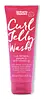 Key Ingredients
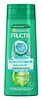
Benefits
Concerns
Ingredients Side-by-side
Water
Skin ConditioningSodium Cocoyl Methyl Isethionate
Surfactant
Cocamidopropyl Betaine
Cleansing


Glycerin
Humectant


PEG-120 Methyl Glucose Dioleate
Emulsifying
Sodium Methyl Isethionate
EmulsifyingBenzyl Alcohol
Perfuming




Coconut Acid
Cleansing
Parfum
Masking
Polyquaternium-10
Panthenol
Skin Conditioning

Sodium Cocoate
Cleansing
Salicylic Acid
Masking





Disodium EDTA
Sodium Hydroxide
BufferingSorbic Acid
Preservative
Citric Acid
Buffering
Tocopherol
Antioxidant



CI 17200
Cosmetic ColorantCI 19140
Cosmetic ColorantWater, Sodium Cocoyl Methyl Isethionate, Cocamidopropyl Betaine, Glycerin, PEG-120 Methyl Glucose Dioleate, Sodium Methyl Isethionate, Benzyl Alcohol, Coconut Acid, Parfum, Polyquaternium-10, Panthenol, Sodium Cocoate, Salicylic Acid, Disodium EDTA, Sodium Hydroxide, Sorbic Acid, Citric Acid, Tocopherol, CI 17200, CI 19140
Water
Skin ConditioningSodium Laureth Sulfate
Cleansing
Citric Acid
Buffering
Cocamidopropyl Betaine
Cleansing
Glycol Distearate
Emollient
Ammonium Hydroxide
BufferingNiacinamide
Smoothing
Coco-Betaine
Cleansing
Saccharum Officinarum Extract
MoisturisingCocos Nucifera Fruit Juice
Emollient
Cucumis Sativus Fruit Extract
Emollient
Sodium Chloride
MaskingSodium Benzoate
Masking
Sodium Acetate
BufferingHydroxypropyltrimonium Lemon Protein
HumectantSodium Hydroxide
BufferingPhenoxyethanol
Preservative
PPG-5-Ceteth-20
EmulsifyingPEG-55 Propylene Glycol Oleate
Surfactant
Polyquaternium-10
Salicylic Acid
Masking
Limonene
Perfuming
Camellia Sinensis Leaf Extract
Antimicrobial
Linalool
Perfuming
Benzyl Alcohol
Perfuming
Propylene Glycol
Humectant
Isopropyl Alcohol
Solvent
Capryloyl Glycine
CleansingPyrus Malus Fruit Extract
Skin Conditioning
Carbomer
Emulsion StabilisingPyridoxine Hcl
Skin ConditioningCitrus Limon Peel Extract
EmollientPotassium Sorbate
Preservative
Leuconostoc/Radish Root Ferment Filtrate
Antimicrobial
Hexylene Glycol
EmulsifyingHexyl Cinnamal
Perfuming
Amyl Cinnamal
Perfuming
Parfum
Masking
Water, Sodium Laureth Sulfate, Citric Acid, Cocamidopropyl Betaine, Glycol Distearate, Ammonium Hydroxide, Niacinamide, Coco-Betaine, Saccharum Officinarum Extract, Cocos Nucifera Fruit Juice, Cucumis Sativus Fruit Extract, Sodium Chloride, Sodium Benzoate, Sodium Acetate, Hydroxypropyltrimonium Lemon Protein, Sodium Hydroxide, Phenoxyethanol, PPG-5-Ceteth-20, PEG-55 Propylene Glycol Oleate, Polyquaternium-10, Salicylic Acid, Limonene, Camellia Sinensis Leaf Extract, Linalool, Benzyl Alcohol, Propylene Glycol, Isopropyl Alcohol, Capryloyl Glycine, Pyrus Malus Fruit Extract, Carbomer, Pyridoxine Hcl, Citrus Limon Peel Extract, Potassium Sorbate, Leuconostoc/Radish Root Ferment Filtrate, Hexylene Glycol, Hexyl Cinnamal, Amyl Cinnamal, Parfum
Reviews
Ingredients Explained
These ingredients are found in both products.
Ingredients higher up in an ingredient list are typically present in a larger amount.
Benzyl Alcohol is an aromatic alcohol with several roles: it's a preservative, solvent, and mild fragrance component with a floral scent.
This ingredient has been deemed safe for use in cosmetic formulations at concentrations up to 5%, and up to 10% in hair dyes. You'll typically see 0.5-2% in most rinse-off or leave-on products.
As a preservative, it works by disrupting the membrane of microbial proteins. This helps keep bacteria and fungi from growing in your products.
The sensitization picture is actually quite assuring as well:of nearly 71,000 patients patch tested with benzyl alcohol, only 0.21% showed a positive reaction with most of them being weakly positive.
This led researchers to conclude that benzyl alcohol cannot be regarded as a significant contact allergen.
It is worth noting this ingredient is classified as one of the EU's regulated fragrance allergens and restricted to 1% in finished products.
Labels must also declare it in concentrations above 0.001% in leave-on products and 0.01% in rinse-off products.
At concentrations around 5%, localized redness and itching can appear as a direct irritant response and not as a true allergic reaction.
Learn more about Benzyl AlcoholCitric Acid is an alpha hydroxy acid (AHA) naturally found in citrus fruits like oranges, lemons, and limes.
Like other AHAs, citric acid can exfoliate skin by breaking down the bonds that hold dead skin cells together. This helps reveal smoother and brighter skin underneath.
However, this exfoliating effect only happens at high concentrations (20%) which can be hard to find in cosmetic products.
Due to this, citric acid is usually included in small amounts as a pH adjuster. This helps keep products slightly more acidic and compatible with skin's natural pH.
In skincare formulas, citric acid can:
While it can provide some skin benefits, research shows lactic acid and glycolic acid are generally more effective and less irritating exfoliants.
Most citric acid used in skincare today is made by fermenting sugars (usually from molasses). This synthetic version is identical to the natural citrus form but easier to stabilize and use in formulations.
Rosacea skin has a lower threshold for acids generally, with 62.5% of rosacea subjects in one study reacting to lactic acid in a sting test. This is why we mark citric acid as a potential rosacea trigger.
However, this ingredient shows up as a pH adjuster or chelator at roughly 0.1-1% in many products. These low levels are unlikely to be an issue for rosacea skin and becomes a potential trigger at exfoliating concentrations (20%). Because everybody's skin is unique, we recommend a patch test if you are unsure.
Learn more about Citric AcidCocamidopropyl Betaine is a fatty acid created by mixing similar compounds in coconut oil and dimethylaminopropylamine, a compound with two amino groups.
This ingredient is a surfactant and cleanser. It helps gather the dirt, pollutants, and other impurities in your skin to be washed away. It also helps thicken a product and make the texture more creamy.
Being created from coconut oil means Cocamidopropyl Betaine is hydrating for the skin.
While Cocamidopropyl Betaine was believed to be an allergen, a study from 2012 disproved this. It found two compounds in unpure Cocamidopropyl Betaine to be the irritants: aminoamide and 3-dimethylaminopropylamine. High-grade and pure Cocamidopropyl Betaine did not induce allergic reactions during this study.
Learn more about Cocamidopropyl BetaineParfum is a catch-all term for an ingredient or more that is used to give a scent to products.
Also called "fragrance", this ingredient can be a blend of hundreds of chemicals or plant oils. This means every product with "fragrance" or "parfum" in the ingredients list is a different mixture.
For instance, Habanolide is a proprietary trade name for a specific aroma chemical. When used as a fragrance ingredient in cosmetics, most aroma chemicals fall under the broad labeling category of “FRAGRANCE” or “PARFUM” according to EU and US regulations.
The term 'parfum' or 'fragrance' is not regulated in many countries. In many cases, it is up to the brand to define this term.
For instance, many brands choose to label themselves as "fragrance-free" because they are not using synthetic fragrances. However, their products may still contain ingredients such as essential oils that are considered a fragrance by INCI standards.
One example is Calendula flower extract. Calendula is an essential oil that still imparts a scent or 'fragrance'.
Depending on the blend, the ingredients in the mixture can cause allergies and sensitivities on the skin. Some ingredients that are known EU allergens include linalool and citronellol.
Parfum can also be used to mask or cover an unpleasant scent.
The bottom line is: not all fragrances/parfum/ingredients are created equally. If you are worried about fragrances, we recommend taking a closer look at an ingredient. And of course, we always recommend speaking with a professional.
Learn more about ParfumPolyquaternium-10 is an ammonium salt of hydroxyethylcellulose. It is a white and granular powder used as a film-former and anti-static agent.
This ingredient is commonly found in hair conditioning products. According to a manufacturer, its positive charge makes it great for absorbing hair proteins. The manufacturer also states this ingredient helps with curl retention.
For haircare friends: this ingredient is not a silicone.
Learn more about Polyquaternium-10Salicylic Acid (also known as beta hydroxy acid or BHA) is a well-known ingredient for treating skin that struggles with acne and clogged pores. It exfoliates both the skin's surface and deep within the pores to help clear out buildup, control oil, and reduce inflammation.
Unlike AHAs (alpha hydroxy acids), salicylic acid is oil-soluble. This allows it to penetrate into pores which makes it especially effective for treating blackheads and preventing future breakouts.
Salicylic acid is also known for its soothing properties. It has a similar structure to aspirin and can calm inflamed or irritated skin, making it a good option for acne-prone skin that is also sensitive.
Concentrations of 0.5-2% are recognized by the U.S. FDA as an over-the-counter topical acne product.
It can cause irritation and/or dryness if one's skin already has a compromised moisture barrier, so it's best to focus on repairing that before introducing this ingredient into your routine.
While salicylic acid does not increase sun sensitivity, it’s still important to wear sunscreen daily to protect your skin.
If you are looking for the ingredient called BHA or Butylated Hydroxyanisole, click here.
Learn more about Salicylic AcidSodium Hydroxide is also known as lye or caustic soda. It is used to adjust the pH of products; many ingredients require a specific pH to be effective.
In small amounts, sodium hydroxide is considered safe to use. However, large amounts may cause chemical burns due to its high alkaline.
Your skin has a natural pH and acid mantle. This acid mantle helps prevent harmful bacteria from breaking through. The acid mantle also helps keep your skin hydrated.
"Alkaline" refers to a high pH level. A low pH level would be considered acidic.
Learn more about Sodium HydroxideWater. It's the most common cosmetic ingredient of all. You'll usually see it at the top of ingredient lists, meaning that it makes up the largest part of the product.
So why is it so popular? Water most often acts as a solvent - this means that it helps dissolve other ingredients into the formulation.
You'll also recognize water as that liquid we all need to stay alive. If you see this, drink a glass of water. Remember to stay hydrated!
Learn more about Water

