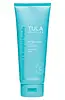
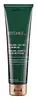
Tula Skincare The Cult Classic Purifying Face Cleanser Versus Biossance Squalane + Tea Tree Cleansing Gel
This mild gel cleanser is mild enough to cleanse without leaving skin feeling tight or stripped.

What's inside
What's inside
 Key Ingredients
Benefits
Concerns
Ingredients Side-by-side
Water
Skin ConditioningDisodium Laureth Sulfosuccinate
CleansingSodium Hydroxypropylsulfonate Laurylglucoside Crosspolymer
CleansingLauryl Glucoside
CleansingSodium Lauryl Sulfoacetate
CleansingSodium Chloride
MaskingDisteareth-75 Ipdi
Bifida Ferment Lysate
Skin Conditioning



Hydrolyzed Rice Protein
Skin ConditioningCurcuma Longa Root Extract
Antioxidant

Camellia Sinensis Leaf Extract
Antimicrobial



Vaccinium Angustifolium Fruit Extract
Skin Protecting
Cichorium Intybus Root Extract
MaskingCamelina Sativa Seed Oil
Skin Conditioning


Lactose
HumectantLactis Proteinum
Skin ConditioningYogurt Powder
Olus Oil
Emollient

Tocopheryl Acetate
Antioxidant
Ascorbyl Palmitate
Antioxidant

Panthenol
Skin Conditioning
Carthamus Tinctorius Seed Oil
Masking
Polysorbate 20
Emulsifying
Butylene Glycol
Humectant
Inulin
Skin Conditioning
Pentylene Glycol
Skin Conditioning
Caprylyl Glycol
Emollient
Coco-Glucoside
Cleansing
Hydroxyethyl Acrylate/Sodium Acryloyldimethyl Taurate Copolymer
Emulsion StabilisingEthylhexylglycerin
Skin ConditioningPEG-120 Methyl Glucose Dioleate
Emulsifying
Styrene/Acrylates Copolymer
Sorbitan Isostearate
Emulsifying
Trisodium Ethylenediamine Disuccinate
ChelatingGlutaral
Preservative

Glycerin
Humectant
Citric Acid
Buffering
Sodium Hydroxide
BufferingSorbic Acid
Preservative
Phenoxyethanol
Preservative
Benzoic Acid
Masking
Phenethyl Alcohol
MaskingParfum
Masking
Alpha-Isomethyl Ionone
Perfuming
Benzyl Benzoate
Antimicrobial
Citronellol
Perfuming
Hexyl Cinnamal
Perfuming
Limonene
Perfuming
Linalool
Perfuming
Water, Disodium Laureth Sulfosuccinate, Sodium Hydroxypropylsulfonate Laurylglucoside Crosspolymer, Lauryl Glucoside, Sodium Lauryl Sulfoacetate, Sodium Chloride, Disteareth-75 Ipdi, Bifida Ferment Lysate, Hydrolyzed Rice Protein, Curcuma Longa Root Extract, Camellia Sinensis Leaf Extract, Vaccinium Angustifolium Fruit Extract, Cichorium Intybus Root Extract, Camelina Sativa Seed Oil, Lactose, Lactis Proteinum, Yogurt Powder, Olus Oil, Tocopheryl Acetate, Ascorbyl Palmitate, Panthenol, Carthamus Tinctorius Seed Oil, Polysorbate 20, Butylene Glycol, Inulin, Pentylene Glycol, Caprylyl Glycol, Coco-Glucoside, Hydroxyethyl Acrylate/Sodium Acryloyldimethyl Taurate Copolymer, Ethylhexylglycerin, PEG-120 Methyl Glucose Dioleate, Styrene/Acrylates Copolymer, Sorbitan Isostearate, Trisodium Ethylenediamine Disuccinate, Glutaral, Glycerin, Citric Acid, Sodium Hydroxide, Sorbic Acid, Phenoxyethanol, Benzoic Acid, Phenethyl Alcohol, Parfum, Alpha-Isomethyl Ionone, Benzyl Benzoate, Citronellol, Hexyl Cinnamal, Limonene, Linalool
Water
Skin ConditioningCocamidopropyl Hydroxysultaine
Cleansing
Aloe Barbadensis Leaf Juice
Skin Conditioning
Glycerin
Humectant
Sodium Cocoyl Isethionate
Cleansing
Disodium Coco-Glucoside Citrate
Emulsifying
Squalane
Emollient
Cocoyl Proline
Skin Conditioning
Melaleuca Alternifolia Leaf Oil
Antioxidant

Sodium Levulinate
Skin ConditioningHydrolyzed Pea Protein
EmollientLavandula Angustifolia Oil
Masking
Medicago Sativa Leaf Extract
Skin ConditioningMagnesium Chloride
Potassium Sorbate
Preservative
Sodium Gluconate
ChelatingCaramel
Cosmetic ColorantCitric Acid
Buffering
Linalool
Perfuming
Water, Cocamidopropyl Hydroxysultaine, Aloe Barbadensis Leaf Juice, Glycerin, Sodium Cocoyl Isethionate, Disodium Coco-Glucoside Citrate, Squalane, Cocoyl Proline, Melaleuca Alternifolia Leaf Oil, Sodium Levulinate, Hydrolyzed Pea Protein, Lavandula Angustifolia Oil, Medicago Sativa Leaf Extract, Magnesium Chloride, Potassium Sorbate, Sodium Gluconate, Caramel, Citric Acid, Linalool
Reviews
Ingredients Explained
These ingredients are found in both products.
Ingredients higher up in an ingredient list are typically present in a larger amount.
Citric Acid is an alpha hydroxy acid (AHA) naturally found in citrus fruits like oranges, lemons, and limes.
Like other AHAs, citric acid can exfoliate skin by breaking down the bonds that hold dead skin cells together. This helps reveal smoother and brighter skin underneath.
However, this exfoliating effect only happens at high concentrations (20%) which can be hard to find in cosmetic products.
Due to this, citric acid is usually included in small amounts as a pH adjuster. This helps keep products slightly more acidic and compatible with skin's natural pH.
In skincare formulas, citric acid can:
While it can provide some skin benefits, research shows lactic acid and glycolic acid are generally more effective and less irritating exfoliants.
Most citric acid used in skincare today is made by fermenting sugars (usually from molasses). This synthetic version is identical to the natural citrus form but easier to stabilize and use in formulations.
Rosacea skin has a lower threshold for acids generally, with 62.5% of rosacea subjects in one study reacting to lactic acid in a sting test. This is why we mark citric acid as a potential rosacea trigger.
However, this ingredient shows up as a pH adjuster or chelator at roughly 0.1-1% in many products. These low levels are unlikely to be an issue for rosacea skin and becomes a potential trigger at exfoliating concentrations (20%). Because everybody's skin is unique, we recommend a patch test if you are unsure.
Learn more about Citric AcidGlycerin (or glycerol) is a compound naturally found in your skin. It's a powerhouse humectant that pulls water into the stratum corneum.
Topically, glycerin does several things at once:
Your skin makes glycerin on its own (mostly from sebaceous oil breakdown) and shuttles it to your outermost layer of skin, or your epidermis, via aquaporin-3.
Aquaporin-3 is a transporter that is essential for normal skin hydration, elasticity, and repair. Interestingly, mice lacking in AQP3 have dry and less elastic skin that can be fully corrected with glycerin.
This ingredient is non-irritating, plays well with almost every ingredient, and works across all skin types. Typical use is anywhere between 3-10% but can go up to 79% in some leave-on products.
Just know very high concentrations (>40%) can feel tacky in low humidity.
Glycerin is the name for this ingredient in American English. British English uses Glycerol/Glycerine.
Learn more about GlycerinLinalool is a small, naturally occurring scent molecule found in plants like lavender, coriander, bergamot, and more.
It is one of the two most-used fragrance ingredients in cosmetics and added purely for smell. Since it's not used for a skin benefit, there's no "effective dose". Concentration depends on the fragrance load of the product.
The EU requires it to be named on the label above 0.001% in leave-on and 0.01% in rinse-off products.
Fresh linalool is a weak sensitizer but air exposure turns some of it into hydroperoxides, which are strong sensitizers. Those oxidation products are the actual allergy concern.
Patch-test clinics see positive reactions to linalool hydroperoxides in about 4% to 12% of dermatitis patients depending on country and test concentration.
Resassuringly, one analytical study found hydroperoxide levels in real fragranced products to be orders of magnitude below what induced sensitization in animal studies with no evidence of oxidation building up during normal storage.
The practical takeaway is that linalool is fine for most people but worth avoiding if you have a confirmed fragrance contact allergy or a badly compromised barrier.
Products stored a long time after opening are also the high-risk scenario since that is when oxidation happens.
The scent of linalool is described as floral, spicy tropical, and citrus-like.
Learn more about LinaloolWater. It's the most common cosmetic ingredient of all. You'll usually see it at the top of ingredient lists, meaning that it makes up the largest part of the product.
So why is it so popular? Water most often acts as a solvent - this means that it helps dissolve other ingredients into the formulation.
You'll also recognize water as that liquid we all need to stay alive. If you see this, drink a glass of water. Remember to stay hydrated!
Learn more about Water

