
What's inside
What's inside
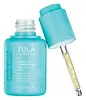 Key Ingredients
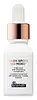
Benefits
Concerns
Ingredients Side-by-side
Water
Skin Conditioning3-O-Ethyl Ascorbic Acid
Skin Conditioning




Lactococcus Ferment Lysate
Skin Conditioning
Propanediol
Solvent
1,2-Hexanediol
Skin Conditioning
Ascorbyl Glucoside
Antioxidant

Sodium Citrate
BufferingPentylene Glycol
Skin Conditioning
Cichorium Intybus Root Extract
MaskingMelia Azadirachta Leaf Extract
Skin ConditioningMelia Azadirachta Flower Extract
Skin ConditioningCorallina Officinalis Extract
Skin Conditioning
Curcuma Longa Root Extract
Masking
Ocimum Basilicum Flower/Leaf Extract
TonicLactic Acid
Buffering





Ocimum Sanctum Leaf Extract
Skin ConditioningVaccinium Vitis-Idaea Fruit Extract
Antioxidant
Citrus Unshiu Peel Extract
Masking
Hippophae Rhamnoides Fruit Extract
Skin Conditioning
Litchi Chinensis Seed Extract
Skin ConditioningMangifera Indica Leaf Extract
Skin ConditioningGold
Cosmetic ColorantGlutathione
Hydroxyacetophenone
Antioxidant
Acetyl Cysteine
Antioxidant
Sodium Sulfite
Preservative
Sorbitol
Humectant
Citric Acid
Buffering
Sclerotium Gum
Emulsion StabilisingXanthan Gum
EmulsifyingCaprylyl Glycol
Emollient
Ascorbic Acid
Antioxidant
Sodium Phytate
Lecithin
Emollient
Pullulan
Silica
Abrasive
Sodium Chloride
MaskingSodium Benzoate
Masking
Water, 3-O-Ethyl Ascorbic Acid, Lactococcus Ferment Lysate, Propanediol, 1,2-Hexanediol, Ascorbyl Glucoside, Sodium Citrate, Pentylene Glycol, Cichorium Intybus Root Extract, Melia Azadirachta Leaf Extract, Melia Azadirachta Flower Extract, Corallina Officinalis Extract, Curcuma Longa Root Extract, Ocimum Basilicum Flower/Leaf Extract, Lactic Acid, Ocimum Sanctum Leaf Extract, Vaccinium Vitis-Idaea Fruit Extract, Citrus Unshiu Peel Extract, Hippophae Rhamnoides Fruit Extract, Litchi Chinensis Seed Extract, Mangifera Indica Leaf Extract, Gold, Glutathione, Hydroxyacetophenone, Acetyl Cysteine, Sodium Sulfite, Sorbitol, Citric Acid, Sclerotium Gum, Xanthan Gum, Caprylyl Glycol, Ascorbic Acid, Sodium Phytate, Lecithin, Pullulan, Silica, Sodium Chloride, Sodium Benzoate
Water
Skin ConditioningNiacinamide
Smoothing

Propanediol
Solvent
Potassium Azeloyl Diglycinate
Skin Conditioning
Tranexamic Acid
Astringent
Glycerin
Humectant
Polyacrylate Crosspolymer-6
Emulsion StabilisingPhytic Acid
Plankton Extract
Skin ConditioningLecithin
Emollient
Camellia Sinensis Leaf Extract
Antimicrobial
Tasmannia Lanceolata Fruit/Leaf Extract
Antioxidant
Caprylyl Glycol
Emollient
Tocopherol
Antioxidant
Potassium Chloride
Potassium Sorbate
Preservative
Sodium Benzoate
Masking
Sodium Ascorbate
Antioxidant
Tetrahydrodiferuloylmethane
Antioxidant
Ethylhexylglycerin
Skin ConditioningChlorphenesin
Antimicrobial
T-Butyl Alcohol
Perfuming

Phenoxyethanol
Preservative
Water, Niacinamide, Propanediol, Potassium Azeloyl Diglycinate, Tranexamic Acid, Glycerin, Polyacrylate Crosspolymer-6, Phytic Acid, Plankton Extract, Lecithin, Camellia Sinensis Leaf Extract, Tasmannia Lanceolata Fruit/Leaf Extract, Caprylyl Glycol, Tocopherol, Potassium Chloride, Potassium Sorbate, Sodium Benzoate, Sodium Ascorbate, Tetrahydrodiferuloylmethane, Ethylhexylglycerin, Chlorphenesin, T-Butyl Alcohol, Phenoxyethanol
Ingredients Explained
These ingredients are found in both products.
Ingredients higher up in an ingredient list are typically present in a larger amount.
Caprylyl Glycol is a humectant, skin conditioner, emollient, and preservative booster derived from either caprylic acid or synthetically created.
Typical use levels vary from 0.3-1% as a preservative booster and go up to 2% to condition skin.
Because it is not a free-fatty acid or alcohol, this ingredient is fungal acne safe (there's nothing for Malassezia to feed on).
Learn more about Caprylyl GlycolLecithin is a term for a group of substances found in the cell membranes of plants, animals, and humans. They are made up of phospholipids.
Thanks to its amphiphilic structure (water-loving head and oil-loving tail), it is a true multitasker:
It plays well with most ingredients and is typically used at 0.1-1%. However, concentrations up to 50% have been reported in moisturizers.
Depending on the source of this ingredient, lecithin may not be fungal acne safe. This is because some sources of lecithin come from soybean oil, which may feed the malassezia yeast that causes fungal acne.
We recommend reaching out to the brand you are purchasing from to inquire about the source of their lecithin.
Learn more about LecithinPropanediol is an all-star ingredient. It softens, hydrates, and smooths the skin.
It’s often used to:
Propanediol is not likely to cause sensitivity and considered safe to use. It is derived from corn or petroleum with a clear color and no scent.
Learn more about PropanediolSodium Benzoate is a preservative. It's used in both cosmetic and food products to inhibit the growth of mold and bacteria. It is typically produced synthetically.
Both the US FDA and EU Health Committee have approved the use of sodium benzoate. In the US, levels of 0.1% (of the total product) are allowed.
Sodium benzoate works as a preservative by inhibiting the growth of bacteria inside of cells. It prevents the cell from fermenting a type of sugar using an enzyme called phosphofructokinase.
It is the salt of benzoic acid. Foods containing sodium benzoate include soda, salad dressings, condiments, fruit juices, wines, and snack foods.
Studies for using ascorbic acid and sodium benzoate in cosmetics are lacking, especially in skincare routines with multiple steps.
We always recommend speaking with a professional, such as a dermatologist, if you have any concerns.
Learn more about Sodium BenzoateWater. It's the most common cosmetic ingredient of all. You'll usually see it at the top of ingredient lists, meaning that it makes up the largest part of the product.
So why is it so popular? Water most often acts as a solvent - this means that it helps dissolve other ingredients into the formulation.
You'll also recognize water as that liquid we all need to stay alive. If you see this, drink a glass of water. Remember to stay hydrated!
Learn more about Water
