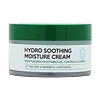
This calming moisturizer is formulated around Panthenol and 4-Terpineol to calm redness and clear breakouts.
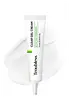
This acne treatment is formulated around 4-Terpineol and Melaleuca Alternifolia Leaf Oil to clear breakouts and balance excess oil.

What's inside
What's inside
 Key Ingredients
Benefits
Concerns
Ingredients Side-by-side
Water
Skin ConditioningGlycerin
Humectant


Isopropyl Myristate
Emollient





Propanediol
Solvent
Panthenol 1%
Skin Conditioning

Sodium Polyacryloyldimethyl Taurate
Emulsion StabilisingDipropylene Glycol
HumectantHydroxyacetophenone
Antioxidant
Hydrogenated Polydecene
EmollientAcrylates/C10-30 Alkyl Acrylate Crosspolymer
Emulsion StabilisingCaprylyl Glycol
Emollient
Tromethamine
BufferingTrideceth-10
Cleansing4-Terpineol
Masking
Disodium EDTA
ChelatingMelia Azadirachta Leaf Extract
Skin ConditioningMelia Azadirachta Flower Extract
Skin ConditioningDipotassium Glycyrrhizate
Humectant
Water, Glycerin, Isopropyl Myristate, Propanediol, Panthenol 1%, Sodium Polyacryloyldimethyl Taurate, Dipropylene Glycol, Hydroxyacetophenone, Hydrogenated Polydecene, Acrylates/C10-30 Alkyl Acrylate Crosspolymer, Caprylyl Glycol, Tromethamine, Trideceth-10, 4-Terpineol, Disodium EDTA, Melia Azadirachta Leaf Extract, Melia Azadirachta Flower Extract, Dipotassium Glycyrrhizate
Water
Skin ConditioningGlycerin
Humectant
Butylene Glycol
Humectant
Dipropylene Glycol
Humectant1,2-Hexanediol
Skin Conditioning
Diglycerin
Humectant
Isopentyldiol
Humectant
Polyglycerin-3
Humectant
Ammonium Acryloyldimethyltaurate/Vp Copolymer
4-Terpineol
Masking
Melaleuca Alternifolia Leaf Oil
Antioxidant



Salix Alba Bark Extract
Astringent
Brassica Oleracea Gemmifera Extract
AstringentBrassica Oleracea Italica Extract
AstringentPrunus Domestica Fruit Extract
MoisturisingTrehalose
Humectant
Propanediol
Solvent
Cetearyl Alcohol
Emollient
Cetyl Alcohol
Emollient
Myristyl Alcohol
Emollient
PCA
Humectant
Palmitic Acid
Emollient
Stearic Acid
Cleansing
Arginine
Masking
Glycolic Acid
Buffering




Salicylic Acid
Masking


Allantoin
Skin Conditioning
Colostrum
Skin Conditioning
Disodium EDTA
ChelatingOriganum Vulgare Leaf Extract
Skin ConditioningCupressus Sempervirens Leaf Extract
Perfuming
Lactobacillus/Soybean Ferment Extract
Skin ConditioningPortulaca Oleracea Extract
Skin Conditioning
Cinnamomum Cassia Bark Extract
Masking
Golden Extract
Myristic Acid
Cleansing
Pyrus Malus Fruit Extract
Skin Conditioning
Carica Papaya Fruit Extract
Skin ConditioningVitis Vinifera Fruit Extract
Skin ConditioningPolygonum Cuspidatum Root Extract
Antioxidant
Water, Glycerin, Butylene Glycol, Dipropylene Glycol, 1,2-Hexanediol, Diglycerin, Isopentyldiol, Polyglycerin-3, Ammonium Acryloyldimethyltaurate/Vp Copolymer, 4-Terpineol, Melaleuca Alternifolia Leaf Oil, Salix Alba Bark Extract, Brassica Oleracea Gemmifera Extract, Brassica Oleracea Italica Extract, Prunus Domestica Fruit Extract, Trehalose, Propanediol, Cetearyl Alcohol, Cetyl Alcohol, Myristyl Alcohol, PCA, Palmitic Acid, Stearic Acid, Arginine, Glycolic Acid, Salicylic Acid, Allantoin, Colostrum, Disodium EDTA, Origanum Vulgare Leaf Extract, Cupressus Sempervirens Leaf Extract, Lactobacillus/Soybean Ferment Extract, Portulaca Oleracea Extract, Cinnamomum Cassia Bark Extract, Golden Extract, Myristic Acid, Pyrus Malus Fruit Extract, Carica Papaya Fruit Extract, Vitis Vinifera Fruit Extract, Polygonum Cuspidatum Root Extract
Reviews
Ingredients Explained
These ingredients are found in both products.
Ingredients higher up in an ingredient list are typically present in a larger amount.
4-Terpineol is the main component of tea tree oil.
This ingredient is the reason tea tree oil has most of its reputation. Research points to a broad range of biological activity including antimicrobial, antioxidant, and anti-inflammatory effects.
Studies show it can significantly block the pathway involved in skin inflammation. It has also been shown to work against acne-causing bacteria, fungi, and even some viruses (and seems to be more effective on its own rather than part of tea tree oil).
Overall, this botanical extract is well-researched and skin-friendly.
Learn more about 4-TerpineolDipropylene Glycol is a synthetically created humectant, stabilizer, and solvent.
This ingredient helps:
Dipropylene glycol is technically an alcohol, but it belongs to the glycol family (often considered part of the ‘good’ alcohols). This means it is hydrating and gentle on skin unlike drying solvent alcohols like denatured alcohol.
As a masking agent, Dipropylene Glycol can be used to cover the smell of other ingredients. However, it does not have a scent.
Studies show Dipropylene Glycol is considered safe to use in skincare.
Learn more about Dipropylene GlycolDisodium EDTA is a chelating agent. It grabs onto and deactivates metal ions that sneak into your products from water, packaging, or air.
This ingredient mainly works behind the scenes and helps with:
On top of that, this ingredient can counteract the effects of hard water by binding to the minerals in it.
One thing worth knowing is that Disodium EDTA has been shown to be a mild penetration enhancer. It can help other ingredients absorb into skin more effectively which can be a double-edged sword (great for actives, but can also make the active too strong if you have sensitive skin).
Clinical patch testing showed no significant skin irritation at typical use concentrations and minimal dermal absorption.
You'll most likely see this ingredient near the end of an ingredient list. It's typically found in concentrations less than 1%.
Learn more about Disodium EDTAGlycerin (or glycerol) is a compound naturally found in your skin. It's a powerhouse humectant that pulls water into the stratum corneum.
Topically, glycerin does several things at once:
Your skin makes glycerin on its own (mostly from sebaceous oil breakdown) and shuttles it to your outermost layer of skin, or your epidermis, via aquaporin-3.
Aquaporin-3 is a transporter that is essential for normal skin hydration, elasticity, and repair. Interestingly, mice lacking in AQP3 have dry and less elastic skin that can be fully corrected with glycerin.
This ingredient is non-irritating, plays well with almost every ingredient, and works across all skin types. Typical use is anywhere between 3-10% but can go up to 79% in some leave-on products.
Just know very high concentrations (>40%) can feel tacky in low humidity.
Glycerin is the name for this ingredient in American English. British English uses Glycerol/Glycerine.
Learn more about GlycerinPropanediol is an all-star ingredient. It softens, hydrates, and smooths the skin.
It’s often used to:
Propanediol is not likely to cause sensitivity and considered safe to use. It is derived from corn or petroleum with a clear color and no scent.
Learn more about PropanediolWater. It's the most common cosmetic ingredient of all. You'll usually see it at the top of ingredient lists, meaning that it makes up the largest part of the product.
So why is it so popular? Water most often acts as a solvent - this means that it helps dissolve other ingredients into the formulation.
You'll also recognize water as that liquid we all need to stay alive. If you see this, drink a glass of water. Remember to stay hydrated!
Learn more about Water

