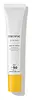
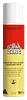
Tropic Skincare Sun Day Facial UV Defence SPF50 Versus G'Day Zinc Hydrating Face & Body Sunscreen SPF 50
This chemical sunscreen covers the full UV range and blocks ~98% of UVB at SPF 50.
This mineral sunscreen covers the full UV range and blocks ~98% of UVB at SPF 50.


What's inside
What's inside
 Key Ingredients
Benefits
Concerns
Ingredients Side-by-side
Aloe Barbadensis Leaf Juice
Skin Conditioning


Dibutyl Adipate
EmollientDiethylamino Hydroxybenzoyl Hexyl Benzoate
UV Filter
Ethylhexyl Triazone
UV Absorber
Bis-Ethylhexyloxyphenol Methoxyphenyl Triazine
UV Absorber
Dicaprylyl Carbonate
EmollientPropanediol
Solvent
Glycerin
Humectant
Silica
Abrasive


Isoamyl Laurate
Emollient

Cetearyl Alcohol
Emollient




Candelilla/Jojoba/Rice Bran Polyglyceryl-3 Esters
Emulsifying
Glyceryl Stearate
Emollient
Cetearyl Glucoside
Emulsifying
Sodium Stearoyl Lactylate
EmulsifyingIsoamyl Cocoate

Hibiscus Rosa-Sinensis Flower Extract
HumectantSodium Hyaluronate
Humectant

Beta-Glucan
Skin Conditioning
Musa Sapientum Flower Extract
Skin ConditioningEctoin
Skin Conditioning
Sodium Gluconate
ChelatingSodium Anisate
AntimicrobialSodium Levulinate
Skin ConditioningXanthan Gum
EmulsifyingInulin Lauryl Carbamate
Emulsion StabilisingTocopherol
Antioxidant



Parfum
Masking


Helianthus Annuus Seed Oil
Emollient
Aloe Barbadensis Leaf Juice, Dibutyl Adipate, Diethylamino Hydroxybenzoyl Hexyl Benzoate, Ethylhexyl Triazone, Bis-Ethylhexyloxyphenol Methoxyphenyl Triazine, Dicaprylyl Carbonate, Propanediol, Glycerin, Silica, Isoamyl Laurate, Cetearyl Alcohol, Candelilla/Jojoba/Rice Bran Polyglyceryl-3 Esters, Glyceryl Stearate, Cetearyl Glucoside, Sodium Stearoyl Lactylate, Isoamyl Cocoate, Hibiscus Rosa-Sinensis Flower Extract, Sodium Hyaluronate, Beta-Glucan, Musa Sapientum Flower Extract, Ectoin, Sodium Gluconate, Sodium Anisate, Sodium Levulinate, Xanthan Gum, Inulin Lauryl Carbamate, Tocopherol, Parfum, Helianthus Annuus Seed Oil
Zinc Oxide 25%
Cosmetic Colorant
Ascorbyl Palmitate
Antioxidant
Bisabolol
Antioxidant
Calendula Officinalis Flower Oil
Masking
Euphorbia Cerifera Cera
Astringent
Citrus Paradisi Juice
Perfuming
Coriandrum Sativum Oil
Masking
Glycerin
Humectant
Helianthus Annuus Seed Oil
Emollient
Hippophae Rhamnoides Acid
EmollientHyaluronic Acid
Humectant
CI 77499
Cosmetic ColorantCI 77491
Cosmetic ColorantCI 77492
Cosmetic ColorantIsostearic Acid
Cleansing
Maltodextrin
Absorbent
Polyglyceryl-3 Polyricinoleate
Emulsifying
Polyhydroxystearic Acid
Emulsifying
Potassium Cetyl Phosphate
EmulsifyingWater
Skin ConditioningSimmondsia Chinensis Seed Oil
Emollient
Sodium Chloride
MaskingTerminalia Ferdinandiana Fruit Extract
Antioxidant
Thuja Plicata Wood Oil
Masking
Xanthan Gum
EmulsifyingZinc Oxide 25%, Ascorbyl Palmitate, Bisabolol, Calendula Officinalis Flower Oil, Euphorbia Cerifera Cera, Citrus Paradisi Juice, Coriandrum Sativum Oil, Glycerin, Helianthus Annuus Seed Oil, Hippophae Rhamnoides Acid, Hyaluronic Acid, CI 77499, CI 77491, CI 77492, Isostearic Acid, Maltodextrin, Polyglyceryl-3 Polyricinoleate, Polyhydroxystearic Acid, Potassium Cetyl Phosphate, Water, Simmondsia Chinensis Seed Oil, Sodium Chloride, Terminalia Ferdinandiana Fruit Extract, Thuja Plicata Wood Oil, Xanthan Gum
Ingredients Explained
These ingredients are found in both products.
Ingredients higher up in an ingredient list are typically present in a larger amount.
Glycerin (or glycerol) is a compound naturally found in your skin. It's a powerhouse humectant that pulls water into the stratum corneum.
Topically, glycerin does several things at once:
Your skin makes glycerin on its own (mostly from sebaceous oil breakdown) and shuttles it to your outermost layer of skin, or your epidermis, via aquaporin-3.
Aquaporin-3 is a transporter that is essential for normal skin hydration, elasticity, and repair. Interestingly, mice lacking in AQP3 have dry and less elastic skin that can be fully corrected with glycerin.
This ingredient is non-irritating, plays well with almost every ingredient, and works across all skin types. Typical use is anywhere between 3-10% but can go up to 79% in some leave-on products.
Just know very high concentrations (>40%) can feel tacky in low humidity.
Glycerin is the name for this ingredient in American English. British English uses Glycerol/Glycerine.
Learn more about GlycerinHelianthus Annuus Seed Oil is a plant oil derived from the seeds of a sunflower.
It is rich in fatty acids, primarily linoleic acid and oleic acid. This gives it emollient and skin conditioning properties.
The reason this ingredient is so effective is because it forms a thin film on the skin that reduces transepidermal water loss (TEWL) while supplying linoleic acid to the stratum corneum to improve barrier strength.
The high linoleic acid content is particularly noteworthy for acne-prone skin.
Research suggests that acne-prone skin tends to be deficient in linoleic acid in sebum. Topical application may help replenish this to support a healthier follicular environment and less comedone-promoting sebum.
One randomized study found sunflower seed oil preserved skin barrier integrity in adult volunteers with and without atopic dermatitis (outperforming olive oil).
This ingredient is well-studied, gentle, and an effective emollient suitable for most skin types.
On fungal acne: This ingredient may not be Fungal acne (Malassezia folliculitis) safe. This is because it contains fatty acids with carbon chain lengths in the C11-C24 range.
Learn more about Helianthus Annuus Seed OilXanthan gum is used as a stabilizer and thickener within cosmetic products. It helps give products a sticky, thick feeling - preventing them from being too runny.
On the technical side of things, xanthan gum is a polysaccharide - a combination consisting of multiple sugar molecules bonded together.
Xanthan gum is a pretty common and great ingredient. It is a natural, non-toxic, non-irritating ingredient that is also commonly used in food products.
Learn more about Xanthan Gum

