Transparent Lab Zi-K Cica Repairing Gel Versus La Roche-Posay Cicaplast Soothing Face and Body Balm B5
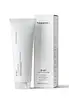
This barrier-repair moisturizer is formulated around Panthenol and Madecassoside to strengthen the skin barrier and calm redness.
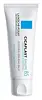
This barrier-repair moisturizer is formulated around Butyrospermum Parkii Butter and Panthenol to strengthen the skin barrier and calm redness.


What's inside
What's inside
 Key Ingredients
Benefits
Concerns
Ingredients Side-by-side
Water
Skin ConditioningPropanediol
Solvent

Neopentyl Glycol Diheptanoate
EmollientDimethicone
Emollient

Panthenol
Skin Conditioning

Caprylyl Methicone
Skin Conditioning
Cetyl PEG/PPG-10/1 Dimethicone
Emulsifying
Glycerin
Humectant
PEG/PPG-18/18 Dimethicone
Emulsifying
Isododecane
EmollientCaprylyl Glycol
Emollient
Madecassoside
Antioxidant


Asiaticoside
Antioxidant
Madecassic Acid
Skin Conditioning
Asiatic Acid
Skin Conditioning
Centella Asiatica Extract
Cleansing
Centella Asiatica Callus Conditioned Media
Skin Conditioning
Alpha-Glucan Oligosaccharide
Cleansing
Polymnia Sonchifolia Root Juice
Skin ConditioningCopper Gluconate
Skin Conditioning
Magnesium Aspartate
Skin ConditioningZinc Gluconate
Skin Conditioning



Glyceryl Caprylate
EmollientPentylene Glycol
Skin Conditioning
Dimethiconol
Emollient
Phenylpropanol
Masking

Mannitol
Humectant
Phosphatidylcholine
EmulsifyingUbiquinone
Antioxidant
Polyglyceryl-10 Laurate
Skin Conditioning

Cetyl Alcohol
Emollient
Citric Acid
Buffering

Sodium Phytate
ChelatingPotassium Sorbate
Preservative
Sodium Benzoate
Masking
Phenoxyethanol
Preservative
Water, Propanediol, Neopentyl Glycol Diheptanoate, Dimethicone, Panthenol, Caprylyl Methicone, Cetyl PEG/PPG-10/1 Dimethicone, Glycerin, PEG/PPG-18/18 Dimethicone, Isododecane, Caprylyl Glycol, Madecassoside, Asiaticoside, Madecassic Acid, Asiatic Acid, Centella Asiatica Extract, Centella Asiatica Callus Conditioned Media, Alpha-Glucan Oligosaccharide, Polymnia Sonchifolia Root Juice, Copper Gluconate, Magnesium Aspartate, Zinc Gluconate, Glyceryl Caprylate, Pentylene Glycol, Dimethiconol, Phenylpropanol, Mannitol, Phosphatidylcholine, Ubiquinone, Polyglyceryl-10 Laurate, Cetyl Alcohol, Citric Acid, Sodium Phytate, Potassium Sorbate, Sodium Benzoate, Phenoxyethanol
Water
Skin ConditioningHydrogenated Polyisobutene
EmollientDimethicone
Emollient
Glycerin
Humectant
Butyrospermum Parkii Butter
Skin Conditioning


Panthenol
Skin Conditioning
Butylene Glycol
Humectant
Aluminum Starch Octenylsuccinate
Absorbent
Propanediol
Solvent
Cetyl PEG/PPG-10/1 Dimethicone
Emulsifying
Tristearin
Skin ConditioningZinc Gluconate
Skin Conditioning
Madecassoside
Antioxidant
Manganese Gluconate
Skin ConditioningMagnesium Sulfate
Disodium EDTA
ChelatingCopper Gluconate
Skin Conditioning
Acetylated Glycol Stearate
Emollient
Polyglyceryl-4 Isostearate
Emulsifying
Sodium Benzoate
Masking
Phenoxyethanol
Preservative
Chlorhexidine Digluconate
Antimicrobial
CI 77891
Cosmetic ColorantWater, Hydrogenated Polyisobutene, Dimethicone, Glycerin, Butyrospermum Parkii Butter, Panthenol, Butylene Glycol, Aluminum Starch Octenylsuccinate, Propanediol, Cetyl PEG/PPG-10/1 Dimethicone, Tristearin, Zinc Gluconate, Madecassoside, Manganese Gluconate, Magnesium Sulfate, Disodium EDTA, Copper Gluconate, Acetylated Glycol Stearate, Polyglyceryl-4 Isostearate, Sodium Benzoate, Phenoxyethanol, Chlorhexidine Digluconate, CI 77891
Reviews
Ingredients Explained
These ingredients are found in both products.
Ingredients higher up in an ingredient list are typically present in a larger amount.
This ingredient is a silicone-based emulsifer that helps the water and oil phases play nicely together.
It's pretty effective because one end of the molecule loves oil and the other one loves water.
Besides holding formulas together, it also leaves a silky and lightweight feel on skin without the greasiness. A manufacturer also claims it can help with the controlled release of active ingredients.
The CIR Expert Panel found this ingredient to not be sensitizing in concentrations up to 15% in human maximazation testing and dimethicone-based compounds were not comedogenic.
It has a high molecular weight well above 1,000 g/mol which means it limits meaningful skin penetration.
A 2019 study specifically tested this ingredient and found no observable Malassezia growth in its presence.
Learn more about Cetyl PEG/PPG-10/1 DimethiconeThis ingredient is a copper salt known for its wound healing properties.
Our bodies use copper to help stabilize our skin's collagen and elastin. Its also an essential for superoxide dismutase, an enzyme with strong antioxidant properties.
Copper has wound healing properties due to its role in creating new blood vessels and tissue repair.
Learn more about Copper GluconateDimethicone is a type of synthetic silicone created from natural materials such as quartz. It is also known as polydimethylsiloxane.
What it does:
Dimethicone comes in different viscosities:
Depending on the viscosity, dimethicone has different properties.
Ingredients lists don't always show which type is used, so we recommend reaching out to the brand if you have questions about the viscosity.
This ingredient is unlikely to cause irritation because it does not get absorbed into skin. However, people with silicone allergies should be careful about using this ingredient.
Note: Dimethicone may contribute to pilling. This is because it is not oil or water soluble, so pilling may occur when layered with products. When mixed with heavy oils in a formula, the outcome is also quite greasy.
Learn more about DimethiconeGlycerin (or glycerol) is a compound naturally found in your skin. It's a powerhouse humectant that pulls water into the stratum corneum.
Topically, glycerin does several things at once:
Your skin makes glycerin on its own (mostly from sebaceous oil breakdown) and shuttles it to your outermost layer of skin, or your epidermis, via aquaporin-3.
Aquaporin-3 is a transporter that is essential for normal skin hydration, elasticity, and repair. Interestingly, mice lacking in AQP3 have dry and less elastic skin that can be fully corrected with glycerin.
This ingredient is non-irritating, plays well with almost every ingredient, and works across all skin types. Typical use is anywhere between 3-10% but can go up to 79% in some leave-on products.
Just know very high concentrations (>40%) can feel tacky in low humidity.
Glycerin is the name for this ingredient in American English. British English uses Glycerol/Glycerine.
Learn more about GlycerinMadecassoside is one of four active compounds found in Centella asiatica and is one of the main reasons Centella is so effective at calming irritated skin and supporting the moisture barrier.
There's a solid body of peer-reviewed research backing Madecassoside for several skin benefits. Studies have found:
Madecassoside pairs well with other hydrating or antioxidant ingredients like Ascorbic Acid or Hyaluronic Acid.
Learn more about MadecassosidePanthenol is a common ingredient that helps hydrate and soothe the skin. It is found naturally in our skin and hair.
There are two forms of panthenol: D and L.
D-panthenol is also known as dexpanthenol. Most cosmetics use dexpanthenol or a mixture of D and L-panthenol.
Panthenol is famous due to its ability to go deeper into the skin's layers. Using this ingredient has numerous pros (and no cons):
Like hyaluronic acid, panthenol is a humectant. Humectants are able to bind and hold large amounts of water to keep skin hydrated.
This ingredient works well for wound healing. It works by increasing tissue in the wound and helps close open wounds.
Once oxidized, panthenol converts to pantothenic acid. Panthothenic acid is found in all living cells.
This ingredient is also referred to as pro-vitamin B5.
Learn more about PanthenolPhenoxyethanol is one of the most widely used preservatives in skincare (and for good reason!).
It has a large spectrum of antimicrobial activity and especially effective bacteria, yeast, and mold while only having a weak effect on your skin's natural microbiome.
On a cellular level, it disrupts the cell membranes of microbes by poking holes that make the cell leak. This shuts down the chemical reactions the microbe needs to make energy so it can no longer survive.
Another perk of this ingredient is that it stays functional across a wide pH range (3-10).
You'll often see it paired with boosters like Ethylhexylglycerin; one study showed that a 1:9 ratio of Ethylhexylglycerin to Phenoxyethanol damages bacterial membranes as effectively as doubling the Phenoxyethanol concentration on its own.
Typical use concentrations range from 0.3-1% depending on the formula, and this ingredient is capped at 1% int the EU.
Safety-wise, the fear mongering does not hold up to the evidence. The EU's Scientific Committee on Consumer Safety and FDA consider it safe as a preservative at up to 1%, including for children of all ages.
Adverse systemic effects only showed up in animal studies at exposures roughly 200x higher than what people get from cosmetics. And despite its very widespread use, this ingredient is a rare sensitizer and allergic reactions are uncommon.
Learn more about PhenoxyethanolPropanediol is an all-star ingredient. It softens, hydrates, and smooths the skin.
It’s often used to:
Propanediol is not likely to cause sensitivity and considered safe to use. It is derived from corn or petroleum with a clear color and no scent.
Learn more about PropanediolSodium Benzoate is a preservative. It's used in both cosmetic and food products to inhibit the growth of mold and bacteria. It is typically produced synthetically.
Both the US FDA and EU Health Committee have approved the use of sodium benzoate. In the US, levels of 0.1% (of the total product) are allowed.
Sodium benzoate works as a preservative by inhibiting the growth of bacteria inside of cells. It prevents the cell from fermenting a type of sugar using an enzyme called phosphofructokinase.
It is the salt of benzoic acid. Foods containing sodium benzoate include soda, salad dressings, condiments, fruit juices, wines, and snack foods.
Studies for using ascorbic acid and sodium benzoate in cosmetics are lacking, especially in skincare routines with multiple steps.
We always recommend speaking with a professional, such as a dermatologist, if you have any concerns.
Learn more about Sodium BenzoateWater. It's the most common cosmetic ingredient of all. You'll usually see it at the top of ingredient lists, meaning that it makes up the largest part of the product.
So why is it so popular? Water most often acts as a solvent - this means that it helps dissolve other ingredients into the formulation.
You'll also recognize water as that liquid we all need to stay alive. If you see this, drink a glass of water. Remember to stay hydrated!
Learn more about WaterZinc gluconate has antibacterial and wound healing properties. It is particularly effective against fighting inflammatory acne.
This ingredient is the zinc salt of the PHA gluconic acid. PHAs are gentle cousins to AHAs.


