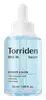
This hydrating serum is formulated around Panthenol and Hydrolyzed Hyaluronic Acid to hydrate skin and strengthen the skin barrier.
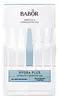
This hydrating ampoule is formulated around Saccharide Isomerate and Sodium Hyaluronate to hydrate skin and strengthen the skin barrier.


What's inside
What's inside
 Key Ingredients
Benefits
Concerns
Ingredients Side-by-side
Water
Skin ConditioningButylene Glycol
Humectant

Glycerin
Humectant
Dipropylene Glycol
Humectant1,2-Hexanediol
Skin Conditioning
Panthenol
Skin Conditioning

Sodium Hyaluronate Crosspolymer
Humectant
Hydrolyzed Hyaluronic Acid
Humectant
Sodium Hyaluronate
Humectant
Sodium Acetylated Hyaluronate
Humectant
Hydrolyzed Sodium Hyaluronate
Skin Conditioning
Allantoin
Skin Conditioning
Ectoin
Skin Conditioning
Glycyrrhiza Glabra Root Extract
Bleaching

2,3-Butanediol
HumectantTrehalose
Humectant
Betaine
Humectant
Propanediol
Solvent
Portulaca Oleracea Extract
Skin Conditioning
Hamamelis Virginiana Leaf Extract
Skin Conditioning

Madecassoside
Antioxidant

Madecassic Acid
Skin Conditioning
Ceramide NP
Skin Conditioning
Beta-Glucan
Skin Conditioning
Malachite Extract
Antioxidant
Cholesterol
Emollient
Pentylene Glycol
Skin Conditioning
Glyceryl Acrylate/Acrylic Acid Copolymer
HumectantPvm/Ma Copolymer
Emulsion StabilisingPolyglyceryl-10 Laurate
Skin Conditioning

Xanthan Gum
EmulsifyingTromethamine
BufferingCarbomer
Emulsion StabilisingEthylhexylglycerin
Skin ConditioningScutellaria Baicalensis Root Extract
Astringent
Paeonia Suffruticosa Root Extract
Skin ProtectingWater, Butylene Glycol, Glycerin, Dipropylene Glycol, 1,2-Hexanediol, Panthenol, Sodium Hyaluronate Crosspolymer, Hydrolyzed Hyaluronic Acid, Sodium Hyaluronate, Sodium Acetylated Hyaluronate, Hydrolyzed Sodium Hyaluronate, Allantoin, Ectoin, Glycyrrhiza Glabra Root Extract, 2,3-Butanediol, Trehalose, Betaine, Propanediol, Portulaca Oleracea Extract, Hamamelis Virginiana Leaf Extract, Madecassoside, Madecassic Acid, Ceramide NP, Beta-Glucan, Malachite Extract, Cholesterol, Pentylene Glycol, Glyceryl Acrylate/Acrylic Acid Copolymer, Pvm/Ma Copolymer, Polyglyceryl-10 Laurate, Xanthan Gum, Tromethamine, Carbomer, Ethylhexylglycerin, Scutellaria Baicalensis Root Extract, Paeonia Suffruticosa Root Extract
Water
Skin ConditioningSaccharide Isomerate
Humectant
Sodium Hyaluronate
Humectant
Beta Vulgaris Root Extract
Skin ConditioningFructooligosaccharides
Humectant
Polyglyceryl-10 Laurate
Skin Conditioning
Panthenol
Skin Conditioning
Maris Sal
Skin ConditioningPantolactone
Humectant
Lactic Acid
Buffering



Sodium Hydroxide
BufferingCitric Acid
Buffering
Sodium Citrate
BufferingSodium Carrageenan
Emulsion StabilisingPotassium Lactate
BufferingEthylhexylglycerin
Skin ConditioningPhenoxyethanol
Preservative
Parfum
Masking

Phenethyl Alcohol
MaskingWater, Saccharide Isomerate, Sodium Hyaluronate, Beta Vulgaris Root Extract, Fructooligosaccharides, Polyglyceryl-10 Laurate, Panthenol, Maris Sal, Pantolactone, Lactic Acid, Sodium Hydroxide, Citric Acid, Sodium Citrate, Sodium Carrageenan, Potassium Lactate, Ethylhexylglycerin, Phenoxyethanol, Parfum, Phenethyl Alcohol
Reviews
Ingredients Explained
These ingredients are found in both products.
Ingredients higher up in an ingredient list are typically present in a larger amount.
Ethylhexylglycerin is created from glycerin. It is a multitasker ingredient that:
The CIR Expert Panel found minimal skin absorption or sensitization of any kind in a safety assessment. Though this ingredient is considered well-tolerated, a small number of cases of allergic dermatitis have been published since 2002. Just be sure to patch test if you are unsure.
Industry-reported use ranges from 8% in rinse-off products and 2% in leave-on formulations.
Learn more about EthylhexylglycerinPanthenol is a common ingredient that helps hydrate and soothe the skin. It is found naturally in our skin and hair.
There are two forms of panthenol: D and L.
D-panthenol is also known as dexpanthenol. Most cosmetics use dexpanthenol or a mixture of D and L-panthenol.
Panthenol is famous due to its ability to go deeper into the skin's layers. Using this ingredient has numerous pros (and no cons):
Like hyaluronic acid, panthenol is a humectant. Humectants are able to bind and hold large amounts of water to keep skin hydrated.
This ingredient works well for wound healing. It works by increasing tissue in the wound and helps close open wounds.
Once oxidized, panthenol converts to pantothenic acid. Panthothenic acid is found in all living cells.
This ingredient is also referred to as pro-vitamin B5.
Learn more about PanthenolPolyglyceryl-10 Laurate is a cleansing agent and emulsifier.
It rounds up dirt, oil, and grime, so they can be rinsed off easily as a cleanser.
On the emulsifier side, it keeps your formula smooth and well-mixed by playing peacekeeper for ingredients that don't naturally get along (like oil and water).
Because it has a C12 (lauric acid) fatty acid chain, this ingredient can potentially feed the Malassezia yeast that causes fungal acne. The Malassezia yeast prefers esters with C11-C24 fatty acids.
This ingredient is an ester of lauric acid and Polyglycerin-10.
Learn more about Polyglyceryl-10 LaurateSodium Hyaluronate is the salt form of hyaluronic acid. It is a long sugar chain that is naturally found in your skin, joints, and connective tissue that maintains hydration and elasticity.
In skincare, it works as a humectant. It pulls water from the environment and deeper layers of skin and binds it to the surface.
Interestingly, the size of the molecule affects its behavior:
Some clinical evidence links low molecular weight versions to improved wrinkle depth, elasticity, anti-inflammatory effects, and barrier repair.
Many serums use a blend of both weights so you can get surface hydration plus longer-lasting and deeper effects.
You'll typically see concentrations between 0.1-2% for this ingredient.
Learn more about Sodium HyaluronateWater. It's the most common cosmetic ingredient of all. You'll usually see it at the top of ingredient lists, meaning that it makes up the largest part of the product.
So why is it so popular? Water most often acts as a solvent - this means that it helps dissolve other ingredients into the formulation.
You'll also recognize water as that liquid we all need to stay alive. If you see this, drink a glass of water. Remember to stay hydrated!
Learn more about Water

