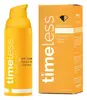
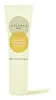
Timeless Skin Care 20% Vitamin C + E Ferulic Acid Serum Versus Balance Me Vitamin C Brightening Eye Serum
This brightening serum is formulated around Ascorbic Acid and Tocopherol to brighten dull-looking skin and soften the look of wrinkles.
This brightening eye moisturizer is formulated around Ascorbyl Glucoside and Hyaluronic Acid to brighten dull-looking skin and soften the look of wrinkles.


What's inside
What's inside
 Key Ingredients
Benefits
Concerns
Ingredients Side-by-side

Water
Skin ConditioningCoco-Caprylate
Emollient

Glycerin
Humectant

Ascorbyl Glucoside
Antioxidant



Hamamelis Virginiana Water
Astringent



Microcrystalline Cellulose
AbsorbentCandelilla/Jojoba/Rice Bran Polyglyceryl-3 Esters
Emulsifying
Glyceryl Stearate
Emollient
Caprylic/Capric Triglyceride
Masking
Cetyl Alcohol
Emollient
Methylpropanediol
SolventSambucus Nigra Flower Extract
RefreshingHyaluronic Acid
Humectant
Silanetriol
Sodium Hyaluronate Crosspolymer
Humectant
Caffeine
Skin Conditioning
Squalane
Emollient
Mica
Cosmetic ColorantCI 77891
Cosmetic ColorantTocopherol
Antioxidant


Aloe Barbadensis Leaf Juice Powder
Skin Conditioning
Citrus Aurantium Dulcis Peel Oil
Masking

Citrus Nobilis Peel Oil
Masking
Lavandula Angustifolia Flower Oil
Masking
Litsea Cubeba Fruit Oil
Masking

Cananga Odorata Flower Oil
Masking
Cellulose Gum
Emulsion StabilisingXanthan Gum
EmulsifyingHelianthus Annuus Seed Oil
Emollient
Cetearyl Alcohol
Emollient

Sodium Stearoyl Lactylate
EmulsifyingPropanediol
Solvent
Ethylhexyl Stearate
Emollient
Polyglyceryl-4 Diisostearate/Polyhydroxystearate/Sebacate
Emulsifying
Sodium Isostearate
CleansingAlcohol
Antimicrobial
Citric Acid
Buffering
Sodium Hydroxide
BufferingDehydroacetic Acid
Preservative
Benzyl Alcohol
Perfuming
Limonene
Perfuming
Linalool
Perfuming
Citral
Perfuming
Benzyl Benzoate
Antimicrobial
Geraniol
Perfuming
Water, Coco-Caprylate, Glycerin, Ascorbyl Glucoside, Hamamelis Virginiana Water, Microcrystalline Cellulose, Candelilla/Jojoba/Rice Bran Polyglyceryl-3 Esters, Glyceryl Stearate, Caprylic/Capric Triglyceride, Cetyl Alcohol, Methylpropanediol, Sambucus Nigra Flower Extract, Hyaluronic Acid, Silanetriol, Sodium Hyaluronate Crosspolymer, Caffeine, Squalane, Mica, CI 77891, Tocopherol, Aloe Barbadensis Leaf Juice Powder, Citrus Aurantium Dulcis Peel Oil, Citrus Nobilis Peel Oil, Lavandula Angustifolia Flower Oil, Litsea Cubeba Fruit Oil, Cananga Odorata Flower Oil, Cellulose Gum, Xanthan Gum, Helianthus Annuus Seed Oil, Cetearyl Alcohol, Sodium Stearoyl Lactylate, Propanediol, Ethylhexyl Stearate, Polyglyceryl-4 Diisostearate/Polyhydroxystearate/Sebacate, Sodium Isostearate, Alcohol, Citric Acid, Sodium Hydroxide, Dehydroacetic Acid, Benzyl Alcohol, Limonene, Linalool, Citral, Benzyl Benzoate, Geraniol
Reviews
Ingredients Explained
These ingredients are found in both products.
Ingredients higher up in an ingredient list are typically present in a larger amount.
Benzyl Alcohol is an aromatic alcohol with several roles: it's a preservative, solvent, and mild fragrance component with a floral scent.
This ingredient has been deemed safe for use in cosmetic formulations at concentrations up to 5%, and up to 10% in hair dyes. You'll typically see 0.5-2% in most rinse-off or leave-on products.
As a preservative, it works by disrupting the membrane of microbial proteins. This helps keep bacteria and fungi from growing in your products.
The sensitization picture is actually quite assuring as well:of nearly 71,000 patients patch tested with benzyl alcohol, only 0.21% showed a positive reaction with most of them being weakly positive.
This led researchers to conclude that benzyl alcohol cannot be regarded as a significant contact allergen.
It is worth noting this ingredient is classified as one of the EU's regulated fragrance allergens and restricted to 1% in finished products.
Labels must also declare it in concentrations above 0.001% in leave-on products and 0.01% in rinse-off products.
At concentrations around 5%, localized redness and itching can appear as a direct irritant response and not as a true allergic reaction.
Learn more about Benzyl AlcoholDehydroacetic Acid is a synthetic preservative that keeps your products safe from microbes.
As an organic acid, it penetrates microbial cell walls and disrupts cellular metabolism. This makes it effective against bacteria, yeast, and mold.
It is effective at low concentrations (<0.6%). Clinical studies have found it to be non-irritating, non-sensitizing, and non-photosensitizing.
Learn more about Dehydroacetic AcidTocopherol is a fat-soluble antioxidant known as Vitamin E.
You'll find this ingredient in the vast majority of skincare (for good reason). It works to neutralize free radicals, or unstable molecules generated by UV exposure, pollution, and other environmental stressors, before they can cause oxidative damage to your skin cells.
Topically applied tocopherol has been shown to protect against UV damage by ramping up the skin's own natural defense enzymes.
It also acts as a skin conditioning agent; some studies show that regular topical use can improve the skin's water-binding capacity over 2-4 weeks.
This ingredient is especially loved for being a team player. When combined with Vitamin C, the photoprotective effect of both ingredients roughly doubles and the combo also helps reduce UV-induced DNA damage.
This ingredient has some brightening potential but it's more of a prevention ingredient than spot-fader. Cell studies show it can slow down melanin production but it's worth noting that it's not the most powerful brightener out there.
In formulations, it also serves as a stabilizer that helps protect other oxidation-prone ingredients from degrading.
Concentrations usually range from 0.1-1% in most leave-on products.
Learn more about TocopherolWater. It's the most common cosmetic ingredient of all. You'll usually see it at the top of ingredient lists, meaning that it makes up the largest part of the product.
So why is it so popular? Water most often acts as a solvent - this means that it helps dissolve other ingredients into the formulation.
You'll also recognize water as that liquid we all need to stay alive. If you see this, drink a glass of water. Remember to stay hydrated!
Learn more about Water

