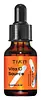
This brightening serum is formulated around Ascorbic Acid and Glutathione to brighten dull-looking skin and fade the look of dark spots.
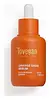
This calming serum is formulated around Centella Asiatica Extract and Astaxanthin to calm redness.


What's inside
What's inside
 Key Ingredients
Benefits
Concerns
Ingredients Side-by-side
Water
Skin ConditioningAscorbic Acid
Antioxidant






Butylene Glycol
Humectant

Sodium Lactate
Buffering
1,2-Hexanediol
Skin Conditioning
Glucose
Humectant
PEG-60 Hydrogenated Castor Oil
Emulsifying


Sodium Hyaluronate
Humectant

Xanthan Gum
EmulsifyingAmmonium Acryloyldimethyltaurate/Vp Copolymer
Limonene
Perfuming



Glutathione
Niacinamide
Smoothing




Zinc PCA
Humectant
Panthenol
Skin Conditioning
Cassia Obtusifolia Seed Extract
Skin ConditioningCitrus Aurantium Dulcis Peel Oil
Masking
Beta-Glucan
Skin Conditioning
Tocopherol
Antioxidant
Ferulic Acid
Antimicrobial
Water, Ascorbic Acid, Butylene Glycol, Sodium Lactate, 1,2-Hexanediol, Glucose, PEG-60 Hydrogenated Castor Oil, Sodium Hyaluronate, Xanthan Gum, Ammonium Acryloyldimethyltaurate/Vp Copolymer, Limonene, Glutathione, Niacinamide, Zinc PCA, Panthenol, Cassia Obtusifolia Seed Extract, Citrus Aurantium Dulcis Peel Oil, Beta-Glucan, Tocopherol, Ferulic Acid
Citrus Aurantium Dulcis Fruit Extract
MaskingGlycerin
Humectant
Dipropylene Glycol
HumectantCaprylic/Capric Triglyceride
Masking
Water
Skin ConditioningCentella Asiatica Extract
Cleansing
Portulaca Oleracea Extract
Skin Conditioning
Prunus Serrulata Flower Extract
Skin ConditioningPhellodendron Amurense Bark Extract
Skin ConditioningPropanediol
Solvent
C12-14 Pareth-12
EmulsifyingButylene Glycol
Humectant
1,2-Hexanediol
Skin Conditioning
Hydroxyacetophenone
Antioxidant
Lactobacillus Ferment Lysate
Skin Conditioning
Hydroxyethylcellulose
Emulsion StabilisingAmmonium Acryloyldimethyltaurate/Vp Copolymer
Panthenol
Skin Conditioning
Limonene
Perfuming
Xanthan Gum
EmulsifyingAdenosine
Skin Conditioning
Agar
MaskingDisodium EDTA
ChelatingSodium Hyaluronate
Humectant
Eclipta Prostrata Extract
Skin Conditioning
Nicotinoyl Tripeptide-1
Antioxidant
Citrus Paradisi Peel Oil
Masking

Melia Azadirachta Leaf Extract
Skin ConditioningMoringa Oleifera Seed Oil
Emollient
Vaccinium Myrtillus Fruit Extract
Skin ConditioningGardenia Jasminoides Fruit Extract
Cosmetic ColorantEthylhexylglycerin
Skin ConditioningCaprylyl Glycol
Emollient
Sodium Polyacrylate
Absorbent
Haematococcus Pluvialis Extract
Antioxidant
Astaxanthin
Skin Conditioning
Tocopherol
Antioxidant
Tocopheryl Acetate
Antioxidant
Citrus Aurantium Dulcis Fruit Extract, Glycerin, Dipropylene Glycol, Caprylic/Capric Triglyceride, Water, Centella Asiatica Extract, Portulaca Oleracea Extract, Prunus Serrulata Flower Extract, Phellodendron Amurense Bark Extract, Propanediol, C12-14 Pareth-12, Butylene Glycol, 1,2-Hexanediol, Hydroxyacetophenone, Lactobacillus Ferment Lysate, Hydroxyethylcellulose, Ammonium Acryloyldimethyltaurate/Vp Copolymer, Panthenol, Limonene, Xanthan Gum, Adenosine, Agar, Disodium EDTA, Sodium Hyaluronate, Eclipta Prostrata Extract, Nicotinoyl Tripeptide-1, Citrus Paradisi Peel Oil, Melia Azadirachta Leaf Extract, Moringa Oleifera Seed Oil, Vaccinium Myrtillus Fruit Extract, Gardenia Jasminoides Fruit Extract, Ethylhexylglycerin, Caprylyl Glycol, Sodium Polyacrylate, Haematococcus Pluvialis Extract, Astaxanthin, Tocopherol, Tocopheryl Acetate
Reviews
Ingredients Explained
These ingredients are found in both products.
Ingredients higher up in an ingredient list are typically present in a larger amount.
1,2-Hexanediol is a synthetic liquid and another multi-functional powerhouse.
It is a:
- Humectant, drawing moisture into the skin
- Emollient, helping to soften skin
- Solvent, dispersing and stabilizing formulas
- Preservative booster, enhancing the antimicrobial activity of other preservatives
Ammonium Acryloyldimethyltaurate/Vp Copolymer is a synthetically created polymer. It's used as a film-forming agent and used to thicken the consistency of products.
Think of it as a supportive ingredient that helps your gel-creams feel silky, "cloud cream-like", and spread evenly without being greasy.
The Cosmetic Ingredient Review (CIR) Expert Panel evaluated it (along with 22 other acryloyldimethyltaurate polymers) and concluded it's:
Due to its large molecular size, it sits on the surface of skin rather than penetrating it.
Learn more about Ammonium Acryloyldimethyltaurate/Vp CopolymerButylene Glycol (or BG) is used within cosmetic products for a few different reasons:
Overall, Butylene Glycol is a safe and well-rounded ingredient that works well with other ingredients.
Though this ingredient works well with most skin types, some people with sensitive skin may experience a reaction such as allergic rashes, closed comedones, or itchiness.
Learn more about Butylene GlycolLimonene is the compound that gives citrus peel its smell.
In skincare, it shows up as a standalone fragrance ingredient or as a natural compound of citrus and other essential oils.
You'll typically see this ingredient used in very small amounts; anything above 0.001% in a leave-on product or 0.01% in a rinse-off has to be named on the label in the EU. The citrus oils that carry it sit around 0.5-1% in a finished formula.
Fresh limonene is a weak allergen; the real issue is that it slowly reacts with air and then breaks down from oxidation to create hydroperoxides (which are strong sensitizers). This is why suppliers are required to keep the peroxide value below 20 mmol.
Positive reactions in people being investigated for eczema vary:
It's worth skipping if you have a known fragrance allergy or a compromised barrier, but the risk is low for most people.
Older or long-opened products are also more likely to bother you than fresh ones due to oxidation.
Learn more about LimonenePanthenol is a common ingredient that helps hydrate and soothe the skin. It is found naturally in our skin and hair.
There are two forms of panthenol: D and L.
D-panthenol is also known as dexpanthenol. Most cosmetics use dexpanthenol or a mixture of D and L-panthenol.
Panthenol is famous due to its ability to go deeper into the skin's layers. Using this ingredient has numerous pros (and no cons):
Like hyaluronic acid, panthenol is a humectant. Humectants are able to bind and hold large amounts of water to keep skin hydrated.
This ingredient works well for wound healing. It works by increasing tissue in the wound and helps close open wounds.
Once oxidized, panthenol converts to pantothenic acid. Panthothenic acid is found in all living cells.
This ingredient is also referred to as pro-vitamin B5.
Learn more about PanthenolSodium Hyaluronate is the salt form of hyaluronic acid. It is a long sugar chain that is naturally found in your skin, joints, and connective tissue that maintains hydration and elasticity.
In skincare, it works as a humectant. It pulls water from the environment and deeper layers of skin and binds it to the surface.
Interestingly, the size of the molecule affects its behavior:
Some clinical evidence links low molecular weight versions to improved wrinkle depth, elasticity, anti-inflammatory effects, and barrier repair.
Many serums use a blend of both weights so you can get surface hydration plus longer-lasting and deeper effects.
You'll typically see concentrations between 0.1-2% for this ingredient.
Learn more about Sodium HyaluronateTocopherol is a fat-soluble antioxidant known as Vitamin E.
You'll find this ingredient in the vast majority of skincare (for good reason). It works to neutralize free radicals, or unstable molecules generated by UV exposure, pollution, and other environmental stressors, before they can cause oxidative damage to your skin cells.
Topically applied tocopherol has been shown to protect against UV damage by ramping up the skin's own natural defense enzymes.
It also acts as a skin conditioning agent; some studies show that regular topical use can improve the skin's water-binding capacity over 2-4 weeks.
This ingredient is especially loved for being a team player. When combined with Vitamin C, the photoprotective effect of both ingredients roughly doubles and the combo also helps reduce UV-induced DNA damage.
This ingredient has some brightening potential but it's more of a prevention ingredient than spot-fader. Cell studies show it can slow down melanin production but it's worth noting that it's not the most powerful brightener out there.
In formulations, it also serves as a stabilizer that helps protect other oxidation-prone ingredients from degrading.
Concentrations usually range from 0.1-1% in most leave-on products.
Learn more about TocopherolWater. It's the most common cosmetic ingredient of all. You'll usually see it at the top of ingredient lists, meaning that it makes up the largest part of the product.
So why is it so popular? Water most often acts as a solvent - this means that it helps dissolve other ingredients into the formulation.
You'll also recognize water as that liquid we all need to stay alive. If you see this, drink a glass of water. Remember to stay hydrated!
Learn more about WaterXanthan gum is used as a stabilizer and thickener within cosmetic products. It helps give products a sticky, thick feeling - preventing them from being too runny.
On the technical side of things, xanthan gum is a polysaccharide - a combination consisting of multiple sugar molecules bonded together.
Xanthan gum is a pretty common and great ingredient. It is a natural, non-toxic, non-irritating ingredient that is also commonly used in food products.
Learn more about Xanthan Gum

