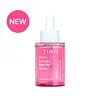
This anti-aging serum is formulated around Niacinamide and Sodium DNA to soften the look of wrinkles and refine skin texture.
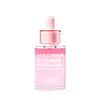
This anti-aging serum is formulated around Sh-Oligopeptide-1 and Sodium DNA to soften the look of wrinkles.

What's inside
What's inside
 Key Ingredients
Benefits
Concerns
Ingredients Side-by-side
Camellia Japonica Flower Water
Skin ConditioningWater
Skin ConditioningGlycereth-26
Humectant
Glycerin
Humectant

Dipropylene Glycol
HumectantButylene Glycol
Humectant
Diethoxyethyl Succinate
Solvent1,2-Hexanediol
Skin Conditioning
Methylpropanediol
SolventNiacinamide
Smoothing









Sodium Polyacryloyldimethyl Taurate
Emulsion StabilisingMaltodextrin
Absorbent
Gellan Gum
Calcium Lactate
AstringentPolyglyceryl-10 Laurate
Skin Conditioning

Sodium Hyaluronate
Humectant
Polyglyceryl-10 Myristate
Skin Conditioning
Panthenol
Skin Conditioning
Allantoin
Skin Conditioning
Adenosine
Skin Conditioning
Gardenia Florida Fruit Extract
Skin ConditioningDextrin
AbsorbentAcetyl Hexapeptide-8
Humectant
Sodium Citrate
BufferingSodium DNA
Skin Conditioning
Camellia Japonica Extract
Skin ConditioningCamellia Japonica Leaf Extract
Skin ConditioningCamellia Japonica Flower Extract
EmollientHydrolyzed Collagen
Emollient
Citric Acid
Buffering
Ascorbyl Glucoside
Antioxidant

Tocopherol
Antioxidant
Cyanocobalamin
Skin ConditioningCopper Tripeptide-1
Skin Conditioning
Palmitoyl Pentapeptide-4
Skin Conditioning
Palmitoyl Tripeptide-1
Skin Conditioning
Palmitoyl Tetrapeptide-7
Skin Conditioning
Camellia Japonica Flower Water, Water, Glycereth-26, Glycerin, Dipropylene Glycol, Butylene Glycol, Diethoxyethyl Succinate, 1,2-Hexanediol, Methylpropanediol, Niacinamide, Sodium Polyacryloyldimethyl Taurate, Maltodextrin, Gellan Gum, Calcium Lactate, Polyglyceryl-10 Laurate, Sodium Hyaluronate, Polyglyceryl-10 Myristate, Panthenol, Allantoin, Adenosine, Gardenia Florida Fruit Extract, Dextrin, Acetyl Hexapeptide-8, Sodium Citrate, Sodium DNA, Camellia Japonica Extract, Camellia Japonica Leaf Extract, Camellia Japonica Flower Extract, Hydrolyzed Collagen, Citric Acid, Ascorbyl Glucoside, Tocopherol, Cyanocobalamin, Copper Tripeptide-1, Palmitoyl Pentapeptide-4, Palmitoyl Tripeptide-1, Palmitoyl Tetrapeptide-7
Water
Skin ConditioningButylene Glycol
Humectant
Caprylic/Capric Triglyceride
Masking
Methylpropanediol
Solvent1,2-Hexanediol
Skin Conditioning
Propanediol
Solvent
Glycerin
Humectant
Ethylhexylglycerin
Skin ConditioningSodium Citrate
BufferingPolyglyceryl-10 Laurate
Skin Conditioning
Gynostemma Pentaphyllum Leaf/Stem Extract
Antioxidant
Lithospermum Erythrorhizon Root Extract
Skin ConditioningC20-22 Alkyl Glucoside
EmulsifyingHydroxyacetophenone
Antioxidant
Gellan Gum
Agar
MaskingCetearyl Alcohol
Emollient



Hydrogenated Lecithin
Emulsifying
Lactococcus Ferment Lysate
Skin Conditioning
Citric Acid
Buffering
Beta-Sitosterol
Emulsion Stabilising
Centella Asiatica Extract
Cleansing
Ficus Carica Fruit Extract
Humectant
Fructooligosaccharides
Humectant
Phytosterols
Skin Conditioning
Xanthan Gum
EmulsifyingCeramide NP
Skin Conditioning
Arginine
Masking
Cyanocobalamin
Skin ConditioningSh-Oligopeptide-1
Skin Conditioning
Sodium Chloride
MaskingPhenylpropanol
Masking

Tocopherol
Antioxidant
Levulinic Acid
Perfuming
Sodium Levulinate
Skin ConditioningCollagen
Moisturising
Leuconostoc/Radish Root Ferment Filtrate
Antimicrobial
Avena Sativa Kernel Extract
Abrasive
Sodium Phytate
ChelatingSodium DNA
Skin Conditioning
Water, Butylene Glycol, Caprylic/Capric Triglyceride, Methylpropanediol, 1,2-Hexanediol, Propanediol, Glycerin, Ethylhexylglycerin, Sodium Citrate, Polyglyceryl-10 Laurate, Gynostemma Pentaphyllum Leaf/Stem Extract, Lithospermum Erythrorhizon Root Extract, C20-22 Alkyl Glucoside, Hydroxyacetophenone, Gellan Gum, Agar, Cetearyl Alcohol, Hydrogenated Lecithin, Lactococcus Ferment Lysate, Citric Acid, Beta-Sitosterol, Centella Asiatica Extract, Ficus Carica Fruit Extract, Fructooligosaccharides, Phytosterols, Xanthan Gum, Ceramide NP, Arginine, Cyanocobalamin, Sh-Oligopeptide-1, Sodium Chloride, Phenylpropanol, Tocopherol, Levulinic Acid, Sodium Levulinate, Collagen, Leuconostoc/Radish Root Ferment Filtrate, Avena Sativa Kernel Extract, Sodium Phytate, Sodium DNA
Ingredients Explained
These ingredients are found in both products.
Ingredients higher up in an ingredient list are typically present in a larger amount.
1,2-Hexanediol is a synthetic liquid and another multi-functional powerhouse.
It is a:
- Humectant, drawing moisture into the skin
- Emollient, helping to soften skin
- Solvent, dispersing and stabilizing formulas
- Preservative booster, enhancing the antimicrobial activity of other preservatives
Butylene Glycol (or BG) is used within cosmetic products for a few different reasons:
Overall, Butylene Glycol is a safe and well-rounded ingredient that works well with other ingredients.
Though this ingredient works well with most skin types, some people with sensitive skin may experience a reaction such as allergic rashes, closed comedones, or itchiness.
Learn more about Butylene GlycolCitric Acid is an alpha hydroxy acid (AHA) naturally found in citrus fruits like oranges, lemons, and limes.
Like other AHAs, citric acid can exfoliate skin by breaking down the bonds that hold dead skin cells together. This helps reveal smoother and brighter skin underneath.
However, this exfoliating effect only happens at high concentrations (20%) which can be hard to find in cosmetic products.
Due to this, citric acid is usually included in small amounts as a pH adjuster. This helps keep products slightly more acidic and compatible with skin's natural pH.
In skincare formulas, citric acid can:
While it can provide some skin benefits, research shows lactic acid and glycolic acid are generally more effective and less irritating exfoliants.
Most citric acid used in skincare today is made by fermenting sugars (usually from molasses). This synthetic version is identical to the natural citrus form but easier to stabilize and use in formulations.
Rosacea skin has a lower threshold for acids generally, with 62.5% of rosacea subjects in one study reacting to lactic acid in a sting test. This is why we mark citric acid as a potential rosacea trigger.
However, this ingredient shows up as a pH adjuster or chelator at roughly 0.1-1% in many products. These low levels are unlikely to be an issue for rosacea skin and becomes a potential trigger at exfoliating concentrations (20%). Because everybody's skin is unique, we recommend a patch test if you are unsure.
Learn more about Citric AcidCyanocobalamin is the manufactured version of vitamin B12. It has skin soothing, antioxidant, and barrier protecting properties. Topical cyanocobalamin is used to treat skin irritation and atopic dermatitis.
Gellan Gum is a high-molecular weight heteropolysaccharide gum. It is created by the process of pure-culture fermentation with the bacterium Pseudomonas elodea.
Gellan Gum is used to stabilize products. This helps improve the texture, consistency, and shelf life.
Glycerin (or glycerol) is a compound naturally found in your skin. It's a powerhouse humectant that pulls water into the stratum corneum.
Topically, glycerin does several things at once:
Your skin makes glycerin on its own (mostly from sebaceous oil breakdown) and shuttles it to your outermost layer of skin, or your epidermis, via aquaporin-3.
Aquaporin-3 is a transporter that is essential for normal skin hydration, elasticity, and repair. Interestingly, mice lacking in AQP3 have dry and less elastic skin that can be fully corrected with glycerin.
This ingredient is non-irritating, plays well with almost every ingredient, and works across all skin types. Typical use is anywhere between 3-10% but can go up to 79% in some leave-on products.
Just know very high concentrations (>40%) can feel tacky in low humidity.
Glycerin is the name for this ingredient in American English. British English uses Glycerol/Glycerine.
Learn more about GlycerinMethylpropanediol is a synthetic solvent and humectant.
As a solvent, it helps dissolve other ingredients, helping to evenly distribute ingredients throughout the product. This ingredient has also been shown to have antimicrobial properties which makes it a preservative booster.
Methylpropanediol is able to add a bit of moisture to the skin. It also helps other ingredients be better absorbed into the skin, such as salicylic acid.
Learn more about MethylpropanediolPolyglyceryl-10 Laurate is a cleansing agent and emulsifier.
It rounds up dirt, oil, and grime, so they can be rinsed off easily as a cleanser.
On the emulsifier side, it keeps your formula smooth and well-mixed by playing peacekeeper for ingredients that don't naturally get along (like oil and water).
Because it has a C12 (lauric acid) fatty acid chain, this ingredient can potentially feed the Malassezia yeast that causes fungal acne. The Malassezia yeast prefers esters with C11-C24 fatty acids.
This ingredient is an ester of lauric acid and Polyglycerin-10.
Learn more about Polyglyceryl-10 LaurateSodium Citrate is the sodium salts of citric acid. In skincare, it is used to alter pH levels and acts as a preservative.
Its main functions are to maintain the pH of a product and neutralize metal ions.
The acidity of our skin is maintained by our glands and skin biome; normal pH level of skin is slightly acidic (~4.75-5.5).
Being slightly acidic allows our skin to create an "acid mantle". This acid mantle is a thin barrier that protects our skin from bacteria and contaminants.
Learn more about Sodium CitrateSodium DNA is an emerging anti-aging ingredient.
It is created by taking deoxyribonucleic acid (DNA) and purifying it with sodium hydroxide.
The DNA is extracted from several different animal sources, including: calf thymus, the gonadic tissue of a male sturgeon, or herring / salmon sperm.
You have probably seen this ingredient in anti-aging skincare. But what is it?
DNA is composed of nucleotides, or chemical building blocks. Nucleotides include adenine (A), thymine (T), guanine (G), and cytosine (C). Talk about a flashback to biology! Nucleosides are formed from these nucleotides.
The science behind Sodium DNA is based on an ingredient called Polydeoxyribonucleotide or PDRN.
PDRN are DNA fragments mainly extracted from the sperm cells of trout or salmon. Meaning, PDRN can be derived from Sodium DNA.
PDRN consists of chains of nucleotides and nucleosides mentioned above. They can range anywhere from 80 - 2000 pairs.
Studies show PDRN has the following properties:
Most of the research on PDRN has been done using injectable forms. That’s important, because PDRN is a large molecule and doesn’t absorb well through the skin. So if you’re applying it topically, the effects are likely to be much milder.
Still, topical Sodium DNA is emerging as a trendy anti-aging ingredient. It’s generally well-tolerated and offers good biocompatibility with human skin, making it a low-risk addition to most routines.
Further studies are needed to truly confirm this ingredients anti-aging ability (Remember, retinol has decades of research!).
Sodium DNA may be sourced from fish, animal tissue, or plants. Since this isn’t always disclosed, we recommend asking the brand directly if the ingredient’s origin is important to you.
Learn more about Sodium DNATocopherol is a fat-soluble antioxidant known as Vitamin E.
You'll find this ingredient in the vast majority of skincare (for good reason). It works to neutralize free radicals, or unstable molecules generated by UV exposure, pollution, and other environmental stressors, before they can cause oxidative damage to your skin cells.
Topically applied tocopherol has been shown to protect against UV damage by ramping up the skin's own natural defense enzymes.
It also acts as a skin conditioning agent; some studies show that regular topical use can improve the skin's water-binding capacity over 2-4 weeks.
This ingredient is especially loved for being a team player. When combined with Vitamin C, the photoprotective effect of both ingredients roughly doubles and the combo also helps reduce UV-induced DNA damage.
This ingredient has some brightening potential but it's more of a prevention ingredient than spot-fader. Cell studies show it can slow down melanin production but it's worth noting that it's not the most powerful brightener out there.
In formulations, it also serves as a stabilizer that helps protect other oxidation-prone ingredients from degrading.
Concentrations usually range from 0.1-1% in most leave-on products.
Learn more about TocopherolWater. It's the most common cosmetic ingredient of all. You'll usually see it at the top of ingredient lists, meaning that it makes up the largest part of the product.
So why is it so popular? Water most often acts as a solvent - this means that it helps dissolve other ingredients into the formulation.
You'll also recognize water as that liquid we all need to stay alive. If you see this, drink a glass of water. Remember to stay hydrated!
Learn more about Water

