

What's inside
What's inside
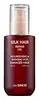 Key Ingredients
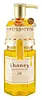
Benefits
Concerns
Ingredients Side-by-side
Cyclopentasiloxane
Emollient
Dimethicone
Emollient
Disiloxane
Skin Conditioning
Cyclohexasiloxane
Emollient
Isopropyl Myristate
Emollient





Dimethiconol
Emollient
Parfum
Masking

Water
Skin ConditioningButylene Glycol
Humectant

Argania Spinosa Kernel Oil
Emollient



Olea Europaea Fruit Oil
Masking
Prunus Amygdalus Dulcis Oil
Skin Conditioning
Simmondsia Chinensis Seed Oil
Emollient
Avena Sativa Protein Extract
Skin ConditioningPhospholipids
Skin Conditioning
Glycine Soja Oil
Emollient
1,2-Hexanediol
Skin Conditioning
Glycine
Buffering
Streptococcus Thermophilus Ferment
Humectant
Serine
Masking
Glutamic Acid
Humectant
Sodium Hyaluronate
Humectant


Silk Amino Acids
HumectantAspartic Acid
Masking
Leucine
Skin ConditioningHydrolyzed Silk
Humectant
Alanine
Masking
Lysine
Skin ConditioningArginine
Masking
Tyrosine
MaskingPhenylalanine
Masking
Proline
Skin Conditioning
Threonine
Valine
MaskingIsoleucine
Skin ConditioningHistidine
Humectant
Cysteine
Antioxidant
Methionine
Skin ConditioningHydroxypropyltrimonium Hyaluronate
Hydrolyzed Hyaluronic Acid
Humectant
Sodium Acetylated Hyaluronate
Humectant
Hyaluronic Acid
Humectant
Hydrolyzed Sodium Hyaluronate
Skin Conditioning
Hydrolyzed Soy Protein
Humectant
Hydrolyzed Rice Protein
Skin ConditioningHydrolyzed Sesame Protein
Skin ConditioningHydrolyzed Barley Protein
Skin ConditioningSodium Hyaluronate Crosspolymer
Humectant
Potassium Hyaluronate
Skin ConditioningCyclopentasiloxane, Dimethicone, Disiloxane, Cyclohexasiloxane, Isopropyl Myristate, Dimethiconol, Parfum, Water, Butylene Glycol, Argania Spinosa Kernel Oil, Olea Europaea Fruit Oil, Prunus Amygdalus Dulcis Oil, Simmondsia Chinensis Seed Oil, Avena Sativa Protein Extract, Phospholipids, Glycine Soja Oil, 1,2-Hexanediol, Glycine, Streptococcus Thermophilus Ferment, Serine, Glutamic Acid, Sodium Hyaluronate, Silk Amino Acids, Aspartic Acid, Leucine, Hydrolyzed Silk, Alanine, Lysine, Arginine, Tyrosine, Phenylalanine, Proline, Threonine, Valine, Isoleucine, Histidine, Cysteine, Methionine, Hydroxypropyltrimonium Hyaluronate, Hydrolyzed Hyaluronic Acid, Sodium Acetylated Hyaluronate, Hyaluronic Acid, Hydrolyzed Sodium Hyaluronate, Hydrolyzed Soy Protein, Hydrolyzed Rice Protein, Hydrolyzed Sesame Protein, Hydrolyzed Barley Protein, Sodium Hyaluronate Crosspolymer, Potassium Hyaluronate
Cyclopentasiloxane
Emollient
Dimethicone
Emollient
Hydrogenated Polyisobutene
EmollientElaeis Guineensis Oil
Emollient
Honey
Humectant
Honey Extract
Humectant
Hydrolyzed Honey Protein
Skin ConditioningRosa Damascena Flower Extract
Masking
Argania Spinosa Kernel Oil
Emollient
Panthenol
Skin Conditioning
Gluconobacter/Honey Ferment Filtrate
Skin ConditioningKeratin
Skin ConditioningRoyal Jelly Extract
Skin Conditioning
Propolis Extract
Skin Conditioning

Coco-Glucoside
Cleansing
Hydroxypropyltrimonium Hyaluronate
Ceramide Ng
Skin Conditioning
Ceramide NP
Skin Conditioning
Ceramide AP
Skin Conditioning
Hydrolyzed Silk
Humectant
Glycerin
Humectant
Tocopherol
Antioxidant

Quaternium-18
SurfactantQuaternium-33
Cholesterol
Emollient
Butylene Glycol
Humectant
Propylene Glycol
Humectant
Phenoxyethanol
Preservative
Water
Skin ConditioningParfum
Masking
Cyclopentasiloxane, Dimethicone, Hydrogenated Polyisobutene, Elaeis Guineensis Oil, Honey, Honey Extract, Hydrolyzed Honey Protein, Rosa Damascena Flower Extract, Argania Spinosa Kernel Oil, Panthenol, Gluconobacter/Honey Ferment Filtrate, Keratin, Royal Jelly Extract, Propolis Extract, Coco-Glucoside, Hydroxypropyltrimonium Hyaluronate, Ceramide Ng, Ceramide NP, Ceramide AP, Hydrolyzed Silk, Glycerin, Tocopherol, Quaternium-18, Quaternium-33, Cholesterol, Butylene Glycol, Propylene Glycol, Phenoxyethanol, Water, Parfum
Reviews
Ingredients Explained
These ingredients are found in both products.
Ingredients higher up in an ingredient list are typically present in a larger amount.
You may know this ingredient as argan oil. It has emollient and skin conditioning properties that help soften skin and reinforce the lipid barrier.
The fatty acid profile of argan oil is roughly 45-55% oleic acid, 28-36% linoleic acid, 10-15% palmitic acid, and 5-7% stearic acid. It also contains vitamin E, sterols, squalene, and polyphenols like ferulic acid.
Two clinical studies in postmenopausal women found that applying argan oil for 60 days significantly improved skin elasticity and moisturization (reduced transepidermal water loss and increased epidermal water content).
Since it is high in oleic and linoleic acid, this ingredient may not be fungal acne safe. Both of these fall in the C11-C24 range that Malassezia yeast can metabolize.
Learn more about Argania Spinosa Kernel OilButylene Glycol (or BG) is used within cosmetic products for a few different reasons:
Overall, Butylene Glycol is a safe and well-rounded ingredient that works well with other ingredients.
Though this ingredient works well with most skin types, some people with sensitive skin may experience a reaction such as allergic rashes, closed comedones, or itchiness.
Learn more about Butylene GlycolCyclopentasiloxane (D5) is a lightweight silicone that mostly acts as an emollient and solvent in cosmetics. Its the reason your products feel silky, fast-spreading, and non-greasy.
Since D5 is volatile, it does its thing and then evaporates off the skin quickly.
The safety profile of this ingredient is reassuring; the US CIR Expert Panel concluded D5 is safe as used in cosmetics and Health Canada concluded that D5 is not harmful to human health or the environment as currently used in cosmetics
There's a study that people mention about D5 in a rat study showing tumors. This study is related to long-term inhalation of high D5 levels.
Regulatory bodies have judged this study to be not applicable in topical skincare since skin absorption of D5 is very low and we're not really inhaling huge amounts of D5.
The only restriction for this ingredient is environmental. The European Chemicals Agency (ECHA) restricted D5 in wash-off cosmetics at or above 0.1% due to their persistence in water.
Learn more about CyclopentasiloxaneDimethicone is a type of synthetic silicone created from natural materials such as quartz. It is also known as polydimethylsiloxane.
What it does:
Dimethicone comes in different viscosities:
Depending on the viscosity, dimethicone has different properties.
Ingredients lists don't always show which type is used, so we recommend reaching out to the brand if you have questions about the viscosity.
This ingredient is unlikely to cause irritation because it does not get absorbed into skin. However, people with silicone allergies should be careful about using this ingredient.
Note: Dimethicone may contribute to pilling. This is because it is not oil or water soluble, so pilling may occur when layered with products. When mixed with heavy oils in a formula, the outcome is also quite greasy.
Learn more about DimethiconeYou can find hydrolyzed silk in both haircare and skincare products. According to a manufacturer, it can help improve skin and hair hydration.
This ingredient is created by adding acid or enzymes to 'hydrolyze' silk protein.
Due to the origins of this ingredient, it is not vegan. Silk is an animal product from silkworms.
Depending on the source, this ingredient can be considered cruelty-free. It is created from left-over cocoons of silkworms. We recommend reaching out to the brand if you have questions about where their hydrolyzed silk comes from.
Learn more about Hydrolyzed SilkHydroxypropyltrimonium Hyaluronate is a positively charged version of hyaluronic acid.
This small change does a lot in a formula:
Regular hyaluronic acid carries a negative charge and so does the surface of your skin. This means the two repel each other and hyaluronic acid can be washed away easily. The positive charge here does the opposite: it makes the ingredient cling to your skin (also called "substantivity") so it keeps hydrating even in rinse-off products where it lays down a light, moisture-holding film.
The research backs this up too; a 2025 clinical study on a shower gel containing 0.1% positively charged hyaluronic acid increased skin hydration by 6.6% versus the baseline and 11.1% versus the placebo. This was measured 6 hours after 1 minute of contact and rinse, and on volunteers with very dry skin.
The same team's lab work showed it adhered to skin far better than unmodified hyaluronic acid (+107% vs. low molecular weight, +23% versus high molecular weight). They also found it increased two proteins tied to skin hydration, aquaporin-3 by 16% and filaggrin by 35%.
A separate 2024 study reached a similar conclusion and credited the hydrating benefits to its film-forming properties.
Both studies used the ingredient at 0.1% which also matches how much it usually shows up in products (at fractions of a percent).
One honesty note worth keeping in mind: the published research comes from the company that manufactures the ingredient so independent data would strengthen the picture. However, the results are consistent and the mechanism makes sense.
As a Hyaluronic Acid derivative, it has a well-tolerated profile and suits most skin types.
Learn more about Hydroxypropyltrimonium HyaluronateParfum is a catch-all term for an ingredient or more that is used to give a scent to products.
Also called "fragrance", this ingredient can be a blend of hundreds of chemicals or plant oils. This means every product with "fragrance" or "parfum" in the ingredients list is a different mixture.
For instance, Habanolide is a proprietary trade name for a specific aroma chemical. When used as a fragrance ingredient in cosmetics, most aroma chemicals fall under the broad labeling category of “FRAGRANCE” or “PARFUM” according to EU and US regulations.
The term 'parfum' or 'fragrance' is not regulated in many countries. In many cases, it is up to the brand to define this term.
For instance, many brands choose to label themselves as "fragrance-free" because they are not using synthetic fragrances. However, their products may still contain ingredients such as essential oils that are considered a fragrance by INCI standards.
One example is Calendula flower extract. Calendula is an essential oil that still imparts a scent or 'fragrance'.
Depending on the blend, the ingredients in the mixture can cause allergies and sensitivities on the skin. Some ingredients that are known EU allergens include linalool and citronellol.
Parfum can also be used to mask or cover an unpleasant scent.
The bottom line is: not all fragrances/parfum/ingredients are created equally. If you are worried about fragrances, we recommend taking a closer look at an ingredient. And of course, we always recommend speaking with a professional.
Learn more about ParfumWater. It's the most common cosmetic ingredient of all. You'll usually see it at the top of ingredient lists, meaning that it makes up the largest part of the product.
So why is it so popular? Water most often acts as a solvent - this means that it helps dissolve other ingredients into the formulation.
You'll also recognize water as that liquid we all need to stay alive. If you see this, drink a glass of water. Remember to stay hydrated!
Learn more about Water

