
What's inside
What's inside
 Key Ingredients
Benefits
Concerns
Ingredients Side-by-side
Water
Skin ConditioningSodium Laureth Sulfate
Cleansing

Propylene Glycol
Humectant


Cocamidopropyl Betaine
Cleansing
Disodium Laureth Sulfosuccinate
CleansingGlycerin
Humectant


Hydroxyethylcellulose
Emulsion StabilisingNiacinamide 1%
Smoothing







Ceramide EOP
Skin Conditioning
Ceramide Ns
Skin Conditioning
Ceramide NP
Skin Conditioning
Ceramide As
Skin Conditioning
Ceramide AP
Skin Conditioning
Hydrolyzed Centella Asiatica Extract
Antioxidant
Polygonum Cuspidatum Root Extract
Antioxidant
Scutellaria Baicalensis Root Extract
AstringentCamellia Sinensis Leaf Extract
Antimicrobial
Glycyrrhiza Glabra Root Extract
Bleaching
Chamomilla Recutita Flower Extract
Masking
Rosmarinus Officinalis Leaf Extract
AntimicrobialAlpha-Glucan Oligosaccharide
CleansingDipotassium Glycyrrhizate
Humectant
Hyaluronic Acid
Humectant
Panthenol
Skin Conditioning
1,2-Butanediol
HumectantCaprylyl Glycol
Emollient
Butylene Glycol
Humectant
Cholesterol
Emollient
Hydrogenated Lecithin
Emulsifying
Glyceryl Stearate
Emollient
Dipropylene Glycol
HumectantHydroxyacetophenone
Antioxidant
Salicylic Acid 0.5%
Masking

Lactic Acid
Buffering

Tetrasodium EDTA
Methylchloroisothiazolinone
Preservative
Methylisothiazolinone
Preservative
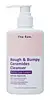
Water, Sodium Laureth Sulfate, Propylene Glycol, Cocamidopropyl Betaine, Disodium Laureth Sulfosuccinate, Glycerin, Hydroxyethylcellulose, Niacinamide 1%, Ceramide EOP, Ceramide Ns, Ceramide NP, Ceramide As, Ceramide AP, Hydrolyzed Centella Asiatica Extract, Polygonum Cuspidatum Root Extract, Scutellaria Baicalensis Root Extract, Camellia Sinensis Leaf Extract, Glycyrrhiza Glabra Root Extract, Chamomilla Recutita Flower Extract, Rosmarinus Officinalis Leaf Extract, Alpha-Glucan Oligosaccharide, Dipotassium Glycyrrhizate, Hyaluronic Acid, Panthenol, 1,2-Butanediol, Caprylyl Glycol, Butylene Glycol, Cholesterol, Hydrogenated Lecithin, Glyceryl Stearate, Dipropylene Glycol, Hydroxyacetophenone, Salicylic Acid 0.5%, Lactic Acid, Tetrasodium EDTA, Methylchloroisothiazolinone, Methylisothiazolinone

Reviews
Ingredients Explained
These ingredients are found in both products.
Ingredients higher up in an ingredient list are typically present in a larger amount.
Butylene Glycol (or BG) is used within cosmetic products for a few different reasons:
Overall, Butylene Glycol is a safe and well-rounded ingredient that works well with other ingredients.
Though this ingredient works well with most skin types, some people with sensitive skin may experience a reaction such as allergic rashes, closed comedones, or itchiness.
Learn more about Butylene GlycolCocamidopropyl Betaine is a fatty acid created by mixing similar compounds in coconut oil and dimethylaminopropylamine, a compound with two amino groups.
This ingredient is a surfactant and cleanser. It helps gather the dirt, pollutants, and other impurities in your skin to be washed away. It also helps thicken a product and make the texture more creamy.
Being created from coconut oil means Cocamidopropyl Betaine is hydrating for the skin.
While Cocamidopropyl Betaine was believed to be an allergen, a study from 2012 disproved this. It found two compounds in unpure Cocamidopropyl Betaine to be the irritants: aminoamide and 3-dimethylaminopropylamine. High-grade and pure Cocamidopropyl Betaine did not induce allergic reactions during this study.
Learn more about Cocamidopropyl BetaineGlycerin is already naturally found in your skin. It helps moisturize and protect your skin.
A study from 2016 found glycerin to be more effective as a humectant than AHAs and hyaluronic acid.
As a humectant, it helps the skin stay hydrated by pulling moisture to your skin. The low molecular weight of glycerin allows it to pull moisture into the deeper layers of your skin.
Hydrated skin improves your skin barrier; Your skin barrier helps protect against irritants and bacteria.
Glycerin has also been found to have antimicrobial and antiviral properties. Due to these properties, glycerin is often used in wound and burn treatments.
In cosmetics, glycerin is usually derived from plants such as soybean or palm. However, it can also be sourced from animals, such as tallow or animal fat.
This ingredient is organic, colorless, odorless, and non-toxic.
Glycerin is the name for this ingredient in American English. British English uses Glycerol/Glycerine.
Learn more about GlycerinPanthenol is a common ingredient that helps hydrate and soothe the skin. It is found naturally in our skin and hair.
There are two forms of panthenol: D and L.
D-panthenol is also known as dexpanthenol. Most cosmetics use dexpanthenol or a mixture of D and L-panthenol.
Panthenol is famous due to its ability to go deeper into the skin's layers. Using this ingredient has numerous pros (and no cons):
Like hyaluronic acid, panthenol is a humectant. Humectants are able to bind and hold large amounts of water to keep skin hydrated.
This ingredient works well for wound healing. It works by increasing tissue in the wound and helps close open wounds.
Once oxidized, panthenol converts to pantothenic acid. Panthothenic acid is found in all living cells.
This ingredient is also referred to as pro-vitamin B5.
Learn more about PanthenolWater. It's the most common cosmetic ingredient of all. You'll usually see it at the top of ingredient lists, meaning that it makes up the largest part of the product.
So why is it so popular? Water most often acts as a solvent - this means that it helps dissolve other ingredients into the formulation.
You'll also recognize water as that liquid we all need to stay alive. If you see this, drink a glass of water. Stay hydrated!
Learn more about Water
