The Purest Solutions Hydration Booster Daily Moisturizing Cream Versus Dermoskin Be Bright Arbutin Complex Cream
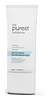
This barrier-repair moisturizer is formulated around Sodium Hyaluronate and Ceramide NP to strengthen the skin barrier and hydrate skin.
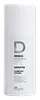
This brightening serum is formulated around Niacinamide and Potassium Azeloyl Diglycinate to fade the look of dark spots and brighten dull-looking skin.

What's inside
What's inside
 Key Ingredients
Benefits
Concerns
Ingredients Side-by-side
Water
Skin ConditioningGlycerin
Humectant


Glyceryl Stearate
Emollient

C12-15 Alkyl Benzoate
AntimicrobialCaprylic/Capric Triglyceride
Masking
Dimethicone
Emollient
Behenyl Alcohol
Emollient
PEG-100 Stearate
Surfactant
Cyclopentasiloxane
Emollient
Dimethiconol
Emollient
Butyrospermum Parkii Butter
Skin Conditioning


Sodium Acrylates Copolymer
Sodium Hyaluronate Crosspolymer
Humectant
Sodium Hyaluronate
Humectant

Sodium Acetylated Hyaluronate
Humectant
Hydrolyzed Sodium Hyaluronate
Skin Conditioning
Sodium PCA
Humectant
Cetearyl Alcohol
Emollient
Ribose
HumectantSaccharide Isomerate
Humectant
Hydrogenated Starch Hydrolysate
HumectantAscophyllum Nodosum Extract
Skin Conditioning
Asparagopsis Armata Extract
Skin Protecting
Erythritol
Humectant
Chondrus Crispus
Masking
Ceramide NP
Skin Conditioning
Squalane
Emollient
Phenethyl Alcohol
Masking1,2-Hexanediol
Skin Conditioning
Xanthan Gum
EmulsifyingBisabolol
Antioxidant
Sodium Citrate
BufferingPEG-7 Glyceryl Cocoate
Emulsifying
Niacinamide
Smoothing






Tocopheryl Acetate
Antioxidant
Lecithin
Emollient
Glycine Soja Sterols
Emollient
Parfum
Masking


Water, Glycerin, Glyceryl Stearate, C12-15 Alkyl Benzoate, Caprylic/Capric Triglyceride, Dimethicone, Behenyl Alcohol, PEG-100 Stearate, Cyclopentasiloxane, Dimethiconol, Butyrospermum Parkii Butter, Sodium Acrylates Copolymer, Sodium Hyaluronate Crosspolymer, Sodium Hyaluronate, Sodium Acetylated Hyaluronate, Hydrolyzed Sodium Hyaluronate, Sodium PCA, Cetearyl Alcohol, Ribose, Saccharide Isomerate, Hydrogenated Starch Hydrolysate, Ascophyllum Nodosum Extract, Asparagopsis Armata Extract, Erythritol, Chondrus Crispus, Ceramide NP, Squalane, Phenethyl Alcohol, 1,2-Hexanediol, Xanthan Gum, Bisabolol, Sodium Citrate, PEG-7 Glyceryl Cocoate, Niacinamide, Tocopheryl Acetate, Lecithin, Glycine Soja Sterols, Parfum
Water
Skin ConditioningIsohexadecane
EmollientNiacinamide
Smoothing
C12-15 Alkyl Benzoate
AntimicrobialPPG-15 Stearyl Ether
EmollientCaprylic/Capric Triglyceride
Masking
Glycerin
Humectant
Cetearyl Alcohol
Emollient
Potassium Azeloyl Diglycinate
Skin Conditioning
Alpha-Arbutin
Antioxidant
Vinyldimethicone
Dimethicone
Emollient
Potassium Cetyl Phosphate
EmulsifyingAmmonium Acryloyldimethyltaurate Crosspolymer
Emulsion StabilisingAllantoin
Skin Conditioning
Phenoxyethanol
Preservative
Caprylyl Glycol
Emollient
Benzyl Alcohol
Perfuming

Sodium Metabisulfite
Antioxidant
Disodium EDTA
ChelatingWater, Isohexadecane, Niacinamide, C12-15 Alkyl Benzoate, PPG-15 Stearyl Ether, Caprylic/Capric Triglyceride, Glycerin, Cetearyl Alcohol, Potassium Azeloyl Diglycinate, Alpha-Arbutin, Vinyldimethicone, Dimethicone, Potassium Cetyl Phosphate, Ammonium Acryloyldimethyltaurate Crosspolymer, Allantoin, Phenoxyethanol, Caprylyl Glycol, Benzyl Alcohol, Sodium Metabisulfite, Disodium EDTA
Ingredients Explained
These ingredients are found in both products.
Ingredients higher up in an ingredient list are typically present in a larger amount.
C12-15 Alkyl Benzoate is a lightweight emollient made by combinig benzoic acid with fatty alcohols that are 12-15 carbons long.
In cosmetics, it plays several roles:
The Cosmetic Review Expert Panel has concluded the alkyl benzoate group to be safe as used in cosmetics; it wasn't found to be a skin irritant and unlikely to be absorbed due to its low water solubility.
This report recorded almost 1000 reported uses with concentrations up to 59% in leave-on products but your cosmetics will typically use 0.5-15% depending on the product.
It's often called a "SPF booster": this is because it keeps UV filters properly dissolved and evenly distributed to support a sunscreen's performance. It doesn't actually raise SPF on its own.
Overall, this ingredient is well tolerated.
This ingredient is fungal acne safe because it is an ester of benzoic acid.
Think of this ingredient as two parts stuck together: an oily part and an acid part. Malassezia only gets a meal when it can snip off a fatty acid to eat. With C12-15 Alkyl Benzoate, the acid part is benzoic acid, which isn't a fatty acid and which the yeast can't use as food.
Benzoic acid is actually used as a preservative to stop yeast from growing.
The oily part is a blend of C12-15 fatty alcohols but fatty alcohols in this size range can support only a little Malassezia growth (mostly for one species of Malassezia as well).
In the ingredient, those alcohols stay locked inside the molecule. The yeast can only reach them by snipping the benzoate bond, and that type of bond is harder for it to cut than a normal fatty bond.
So not much gets released. And whatever does get snipped comes packaged with benzoic acid, which discourages yeast growth.
Learn more about C12-15 Alkyl BenzoateCaprylic/Capric Triglyceride (aka MCT Oil) is a lightweight emollient, solvent, and texture enhancer. It is considered a skin-softener by helping to prevent moisture loss.
Though it behaves like an oil, it is not technically one due to its chemical composition. One perk of this ingredient is that it is very stable, resistant to oxidation, and unlikely to go rancid.
In practice, that translates to a long shelf life and a consistently elegant skin feel.
While there is an assumption Caprylic Triglyceride can clog pores due to it being derived from coconut oil, there is no research supporting this. Just patch test if you have concerns.
Fractionated coconut oil and MCT Oil are both listed as Caprylic/Capric Triglyceride according to INCI. This is because INCI names are based on the ingredient’s final chemical composition and not its marketing name or source.
This ingredient is treated as the gold standard fungal acne safe oil. Even though it is coconut derived, the problematic lauric acid is stripped out.
This leaves just caprylic (C8) and capric (C10) acid. These chain lengths actually trend antifungal; a 2020 study found caprylic acid was enough to disrupt Malassezia furfur cell membrane, with a caprylic acid derivative damaging membrane structures at concentrations as low as 0.2%.
Learn more about Caprylic/Capric TriglycerideCetearyl alcohol is a waxy mixture of two fatty alcohols: cetyl alcohol and stearyl alcohol. It is an emollient and emulsifier.
Despite having "alcohol" in its name, it has nothing to do with drying solvent alcohols; the FDA also allows "alcohol-free" products to contain fatty alcohols like this ingredient.
It plays several roles in a formula:
Typical use levels for this ingredient sit around 1-10% and the Cosmetic Ingredient Review Expert Panel has affirmed safety at concentrations up to 25% in leave-on products.
Multiple assessments have found it to be non-irritating and non-sensitizing to most people.
However, there have been some cases of allergic contact dermatitis in patients with chronically compromised skin barriers.
Cetearyl alcohol has a comedogenic rating of 2 and irritancy rating of 1. Both of these numbers come from the 1989 study that used rabbit ears; a "2" means mildly comedogenic and a "1" means low irritancy.
Here's the catch: rabbit skin is more sensitive than human skin and throws a lot of false positives. A 1996 reappraisal found that ingredients rated 1-2 in the rabbit ear tests are generally safe for humans.
Remember comedogenic ratings are unable to assess the entire formula of a product or how it will react on your skin. Just be sure to patch test if you are unsure about certain ingredients.
This ingredient is not fungal acne safe. Cetearyl alcohol is a fatty alcohol with chain lengths that fall within the range that Malassezia can metabolize.
A 2019 study has also observed Malassezia growth in the presence of this ingredient, confirming it to be not-fungal acne safe.
Learn more about Cetearyl AlcoholDimethicone is a type of synthetic silicone created from natural materials such as quartz. It is also known as polydimethylsiloxane.
What it does:
Dimethicone comes in different viscosities:
Depending on the viscosity, dimethicone has different properties.
Ingredients lists don't always show which type is used, so we recommend reaching out to the brand if you have questions about the viscosity.
This ingredient is unlikely to cause irritation because it does not get absorbed into skin. However, people with silicone allergies should be careful about using this ingredient.
Note: Dimethicone may contribute to pilling. This is because it is not oil or water soluble, so pilling may occur when layered with products. When mixed with heavy oils in a formula, the outcome is also quite greasy.
Learn more about DimethiconeGlycerin (or glycerol) is a compound naturally found in your skin. It's a powerhouse humectant that pulls water into the stratum corneum.
Topically, glycerin does several things at once:
Your skin makes glycerin on its own (mostly from sebaceous oil breakdown) and shuttles it to your outermost layer of skin, or your epidermis, via aquaporin-3.
Aquaporin-3 is a transporter that is essential for normal skin hydration, elasticity, and repair. Interestingly, mice lacking in AQP3 have dry and less elastic skin that can be fully corrected with glycerin.
This ingredient is non-irritating, plays well with almost every ingredient, and works across all skin types. Typical use is anywhere between 3-10% but can go up to 79% in some leave-on products.
Just know very high concentrations (>40%) can feel tacky in low humidity.
Glycerin is the name for this ingredient in American English. British English uses Glycerol/Glycerine.
Learn more about GlycerinNiacinamide is a multitasking form of vitamin B3 that strengthens the skin barrier, reduces pores and dark spots, regulates oil, and improves signs of aging.
And the best part? It's gentle and well-tolerated by most skin types, including sensitive and reactive skin.
You might have heard of "niacin flush", or the reddening of skin that causes itchiness. Niacinamide has not been found to cause this.
In very rare cases, some individuals may not be able to tolerate niacinamide at all or experience an allergic reaction to it.
If you are experiencing flaking, irritation, and dryness with this ingredient, be sure to double check all your products as this ingredient can be found in all categories of skincare.
When incorporating niacinamide into your routine, look out for concentration amounts. Typically, 5% niacinamide provides benefits such as fading dark spots. However, if you have sensitive skin, it is better to begin with a smaller concentration.
When you apply niacinamide to your skin, your body converts it into nicotinamide adenine dinucleotide (NAD). NAD is an essential coenzyme that is already found in your cells as "fuel" and powers countless biological processes.
In your skin, NAD helps repair cell damage, produce new healthy cells, support collagen production, strengthen the skin barrier, and fight environmental stressors (like UV and pollution).
Our natural NAD levels start to decline with age, leading to slower skin repair, visible aging, and a weaker skin barrier. By providing your skin niacinamide, you're recharging your skin's NAD levels. This leads to stronger, healthier, and younger looking skin.
Another name for vitamin B3 is nicotinamide. This vitamin is water-soluble and our bodies don't store it. We obtain Vitamin B3 from either food or skincare. Meat, fish, wheat, yeast, and leafy greens contain vitamin B3.
The type of niacinamide used in skincare is synthetically created.
Learn more about NiacinamideWater. It's the most common cosmetic ingredient of all. You'll usually see it at the top of ingredient lists, meaning that it makes up the largest part of the product.
So why is it so popular? Water most often acts as a solvent - this means that it helps dissolve other ingredients into the formulation.
You'll also recognize water as that liquid we all need to stay alive. If you see this, drink a glass of water. Remember to stay hydrated!
Learn more about Water


