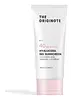
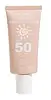
The Originote Hyalucera Gel Sunscreen SPF 40 PA+++ Versus Adorn by Calmskin Premium Tinted Sunscreen SPF 50
This chemical sunscreen covers burning UVB and near UVA but not the deep UVA that drives aging.
This hybrid sunscreen covers the full UV range, though its SPF isn't confirmed on file yet.


What's inside
What's inside
 Key Ingredients
Benefits
Concerns
Ingredients Side-by-side
Water
Skin ConditioningCyclopentasiloxane
Emollient
Phenylbenzimidazole Sulfonic Acid
UV Absorber
Glycerin
Humectant


Centella Asiatica Leaf Water
Skin Conditioning

Dimethicone
Emollient
Tromethamine
BufferingPolyphenylsilsesquioxane
Terephthalylidene Dicamphor Sulfonic Acid
UV Absorber
Vinyldimethicone
Panthenol
Skin Conditioning
PEG/PPG-17/6 Copolymer
SolventDimethicone/Vinyl Dimethicone Crosspolymer
Skin Conditioning
Glyceryl Glucoside
Humectant
Dimethicone/PEG-10/15 Crosspolymer
PEG-10 Dimethicone
Skin Conditioning
Hexylene Glycol
EmulsifyingHydroxyacetophenone
Antioxidant
Dipotassium Glycyrrhizate
Humectant
Butylene Glycol
Humectant
Parfum
Masking




Dipropylene Glycol
HumectantSodium Citrate
Buffering1,2-Hexanediol
Skin Conditioning
Tocopherol
Antioxidant



Hyaluronic Acid
Humectant
Ethylhexylglycerin
Skin ConditioningHydrolyzed Hyaluronic Acid
Humectant
Sodium Hyaluronate
Humectant
Caprylic/Capric Triglyceride
Masking
Hydrogenated Lecithin
Emulsifying
Chlorella Vulgaris Extract
Skin ConditioningCeramide NP
Skin Conditioning
Water, Cyclopentasiloxane, Phenylbenzimidazole Sulfonic Acid, Glycerin, Centella Asiatica Leaf Water, Dimethicone, Tromethamine, Polyphenylsilsesquioxane, Terephthalylidene Dicamphor Sulfonic Acid, Vinyldimethicone, Panthenol, PEG/PPG-17/6 Copolymer, Dimethicone/Vinyl Dimethicone Crosspolymer, Glyceryl Glucoside, Dimethicone/PEG-10/15 Crosspolymer, PEG-10 Dimethicone, Hexylene Glycol, Hydroxyacetophenone, Dipotassium Glycyrrhizate, Butylene Glycol, Parfum, Dipropylene Glycol, Sodium Citrate, 1,2-Hexanediol, Tocopherol, Hyaluronic Acid, Ethylhexylglycerin, Hydrolyzed Hyaluronic Acid, Sodium Hyaluronate, Caprylic/Capric Triglyceride, Hydrogenated Lecithin, Chlorella Vulgaris Extract, Ceramide NP
Water
Skin ConditioningButyl Methoxydibenzoylmethane
UV Absorber
Ethylhexyl Methoxycinnamate
UV Absorber
Octocrylene
UV Absorber
Caprylic/Capric Triglyceride
Masking
Cetyl Palmitate
Emollient
Laureth-23
Cleansing
Steareth-100
Gel FormingC7-8 Isoalkane
SolventAlcohol Denat.
Antimicrobial

Talc
Abrasive
Titanium Dioxide
Cosmetic Colorant
Cyclopentasiloxane
Emollient
Dimethicone
Emollient
Diisostearyl Malate
EmollientOctyldodecanol
Emollient
Octyldodecyl Xyloside
EmulsifyingPEG-30 Dipolyhydroxystearate
Emulsifying
Glycerin
Humectant
Sodium Hyaluronate
Humectant
Niacinamide
Smoothing




Sorbitan Caprylate
EmulsifyingPropanediol
Solvent
Benzoic Acid
Masking
Polyacrylate Crosspolymer-6
Emulsion StabilisingSilica
Abrasive
Centella Asiatica Leaf Extract
Skin Conditioning
Madecassoside
Antioxidant
1,2-Hexanediol
Skin Conditioning
Dipotassium Glycyrrhizate
Humectant
BHT
Antioxidant
Disodium EDTA
CI 77492
Cosmetic ColorantCI 77491
Cosmetic ColorantCI 77499
Cosmetic ColorantWater, Butyl Methoxydibenzoylmethane, Ethylhexyl Methoxycinnamate, Octocrylene, Caprylic/Capric Triglyceride, Cetyl Palmitate, Laureth-23, Steareth-100, C7-8 Isoalkane, Alcohol Denat., Talc, Titanium Dioxide, Cyclopentasiloxane, Dimethicone, Diisostearyl Malate, Octyldodecanol, Octyldodecyl Xyloside, PEG-30 Dipolyhydroxystearate, Glycerin, Sodium Hyaluronate, Niacinamide, Sorbitan Caprylate, Propanediol, Benzoic Acid, Polyacrylate Crosspolymer-6, Silica, Centella Asiatica Leaf Extract, Madecassoside, 1,2-Hexanediol, Dipotassium Glycyrrhizate, BHT, Disodium EDTA, CI 77492, CI 77491, CI 77499
Reviews
Ingredients Explained
These ingredients are found in both products.
Ingredients higher up in an ingredient list are typically present in a larger amount.
1,2-Hexanediol is a synthetic liquid and another multi-functional powerhouse.
It is a:
- Humectant, drawing moisture into the skin
- Emollient, helping to soften skin
- Solvent, dispersing and stabilizing formulas
- Preservative booster, enhancing the antimicrobial activity of other preservatives
Caprylic/Capric Triglyceride (aka MCT Oil) is a lightweight emollient, solvent, and texture enhancer. It is considered a skin-softener by helping to prevent moisture loss.
Though it behaves like an oil, it is not technically one due to its chemical composition. One perk of this ingredient is that it is very stable, resistant to oxidation, and unlikely to go rancid.
In practice, that translates to a long shelf life and a consistently elegant skin feel.
While there is an assumption Caprylic Triglyceride can clog pores due to it being derived from coconut oil, there is no research supporting this. Just patch test if you have concerns.
Fractionated coconut oil and MCT Oil are both listed as Caprylic/Capric Triglyceride according to INCI. This is because INCI names are based on the ingredient’s final chemical composition and not its marketing name or source.
This ingredient is treated as the gold standard fungal acne safe oil. Even though it is coconut derived, the problematic lauric acid is stripped out.
This leaves just caprylic (C8) and capric (C10) acid. These chain lengths actually trend antifungal; a 2020 study found caprylic acid was enough to disrupt Malassezia furfur cell membrane, with a caprylic acid derivative damaging membrane structures at concentrations as low as 0.2%.
Learn more about Caprylic/Capric TriglycerideCyclopentasiloxane (D5) is a lightweight silicone that mostly acts as an emollient and solvent in cosmetics. Its the reason your products feel silky, fast-spreading, and non-greasy.
Since D5 is volatile, it does its thing and then evaporates off the skin quickly.
The safety profile of this ingredient is reassuring; the US CIR Expert Panel concluded D5 is safe as used in cosmetics and Health Canada concluded that D5 is not harmful to human health or the environment as currently used in cosmetics
There's a study that people mention about D5 in a rat study showing tumors. This study is related to long-term inhalation of high D5 levels.
Regulatory bodies have judged this study to be not applicable in topical skincare since skin absorption of D5 is very low and we're not really inhaling huge amounts of D5.
The only restriction for this ingredient is environmental. The European Chemicals Agency (ECHA) restricted D5 in wash-off cosmetics at or above 0.1% due to their persistence in water.
Learn more about CyclopentasiloxaneDimethicone is a type of synthetic silicone created from natural materials such as quartz. It is also known as polydimethylsiloxane.
What it does:
Dimethicone comes in different viscosities:
Depending on the viscosity, dimethicone has different properties.
Ingredients lists don't always show which type is used, so we recommend reaching out to the brand if you have questions about the viscosity.
This ingredient is unlikely to cause irritation because it does not get absorbed into skin. However, people with silicone allergies should be careful about using this ingredient.
Note: Dimethicone may contribute to pilling. This is because it is not oil or water soluble, so pilling may occur when layered with products. When mixed with heavy oils in a formula, the outcome is also quite greasy.
Learn more about DimethiconeDipotassium Glycyrrhizate comes from licorice root.
Extracts of licorice have demonstrated to have antibacterial, anti‐inflammatory, antiviral, antioxidant properties.
One component, glabridin, has extra potent antioxidant and soothing properties. It has also been found to block pigmentation from UVB rays in guinea pigs.
Licorice Root also contains a flavonoid. Flavonoids are a natural substance from in plants. Flavonoids also have antioxidant properties.
Another component, glycyrrhizin, has been found to have anti-inflammatory and antimicrobial benefits. This may make licorice root extract effective at treating acne. However, more research is needed to support this.
Liquiritin is one of the flavone compounds found in licorice. It has been found to help lighten skin by preventing tyrosinase from reacting with tyrosine. When the two react, protein is converted to melanin. Melanin is the substance in your body that gives your features pigmentation.
Licorice root is native to Southern Europe and Asia. It has been used in traditional Chinese medicine to help with respiratory issues.
Learn more about Dipotassium GlycyrrhizateGlycerin (or glycerol) is a compound naturally found in your skin. It's a powerhouse humectant that pulls water into the stratum corneum.
Topically, glycerin does several things at once:
Your skin makes glycerin on its own (mostly from sebaceous oil breakdown) and shuttles it to your outermost layer of skin, or your epidermis, via aquaporin-3.
Aquaporin-3 is a transporter that is essential for normal skin hydration, elasticity, and repair. Interestingly, mice lacking in AQP3 have dry and less elastic skin that can be fully corrected with glycerin.
This ingredient is non-irritating, plays well with almost every ingredient, and works across all skin types. Typical use is anywhere between 3-10% but can go up to 79% in some leave-on products.
Just know very high concentrations (>40%) can feel tacky in low humidity.
Glycerin is the name for this ingredient in American English. British English uses Glycerol/Glycerine.
Learn more about GlycerinSodium Hyaluronate is the salt form of hyaluronic acid. It is a long sugar chain that is naturally found in your skin, joints, and connective tissue that maintains hydration and elasticity.
In skincare, it works as a humectant. It pulls water from the environment and deeper layers of skin and binds it to the surface.
Interestingly, the size of the molecule affects its behavior:
Some clinical evidence links low molecular weight versions to improved wrinkle depth, elasticity, anti-inflammatory effects, and barrier repair.
Many serums use a blend of both weights so you can get surface hydration plus longer-lasting and deeper effects.
You'll typically see concentrations between 0.1-2% for this ingredient.
Learn more about Sodium HyaluronateWater. It's the most common cosmetic ingredient of all. You'll usually see it at the top of ingredient lists, meaning that it makes up the largest part of the product.
So why is it so popular? Water most often acts as a solvent - this means that it helps dissolve other ingredients into the formulation.
You'll also recognize water as that liquid we all need to stay alive. If you see this, drink a glass of water. Remember to stay hydrated!
Learn more about Water

