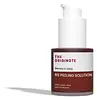
This smoothing treatment is formulated around Glycolic Acid and Salicylic Acid to refine skin texture and brighten dull-looking skin.
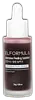
This smoothing treatment is formulated around Glycolic Acid and Gluconolactone to refine skin texture and brighten dull-looking skin.


What's inside
What's inside
 Key Ingredients
Benefits
Concerns
Ingredients Side-by-side
Water
Skin ConditioningGlycolic Acid
Buffering











Butylene Glycol
Humectant

Sodium Hydroxide
BufferingPropanediol
Solvent
Gluconolactone
Skin Conditioning
Glycerin
Humectant
Pentylene Glycol
Skin Conditioning
Salicylic Acid
Masking



Panthenol
Skin Conditioning

Xanthan Gum
EmulsifyingHydrolyzed Gardenia Florida Extract
Antioxidant
Maltodextrin
Absorbent
Ethylhexylglycerin
Skin ConditioningXylitol
Humectant
Disodium EDTA
1,2-Hexanediol
Skin Conditioning
Tremella Fuciformis Extract
Humectant
Ascorbyl Glucoside
Antioxidant
Magnesium Chloride
Tocopherol
Antioxidant
Calcium Gluconate
HumectantPyridoxine Hcl
Skin ConditioningCentella Asiatica Extract
Cleansing
Allantoin
Skin Conditioning
Chondrus Crispus Extract
Skin Conditioning
Yeast Extract
Skin ConditioningSaccharum Officinarum Extract
MoisturisingCyanocobalamin
Skin ConditioningWater, Glycolic Acid, Butylene Glycol, Sodium Hydroxide, Propanediol, Gluconolactone, Glycerin, Pentylene Glycol, Salicylic Acid, Panthenol, Xanthan Gum, Hydrolyzed Gardenia Florida Extract, Maltodextrin, Ethylhexylglycerin, Xylitol, Disodium EDTA, 1,2-Hexanediol, Tremella Fuciformis Extract, Ascorbyl Glucoside, Magnesium Chloride, Tocopherol, Calcium Gluconate, Pyridoxine Hcl, Centella Asiatica Extract, Allantoin, Chondrus Crispus Extract, Yeast Extract, Saccharum Officinarum Extract, Cyanocobalamin
Water
Skin ConditioningGlycolic Acid
Buffering
Sodium Hydroxide
BufferingPentylene Glycol
Skin Conditioning
Gluconolactone
Skin Conditioning
Glycerin
Humectant
Propanediol
Solvent
Xanthan Gum
Emulsifying1,2-Hexanediol
Skin Conditioning
Salicylic Acid
Masking
Acacia Senegal Gum
MaskingC12-14 Alketh-12
EmulsifyingCaprylyl Glycol
Emollient
Hydrolyzed Gardenia Florida Extract
Antioxidant
Maltodextrin
Absorbent
Ethylhexylglycerin
Skin ConditioningSodium Phytate
Butylene Glycol
Humectant
Centella Asiatica Extract
Cleansing
Glycine
Buffering
Polygonum Cuspidatum Root Extract
Antioxidant
Scutellaria Baicalensis Root Extract
Astringent
Serine
Masking
Glutamic Acid
Humectant
Glycyrrhiza Glabra Root Extract
Bleaching
Camellia Sinensis Leaf Extract
Antimicrobial
Aspartic Acid
Masking
Leucine
Skin ConditioningRosmarinus Officinalis Leaf Extract
AntimicrobialChamomilla Recutita Flower Extract
Masking
Alanine
Masking
Lysine
Skin ConditioningArginine
Masking
Tyrosine
MaskingPhenylalanine
Masking
Valine
MaskingThreonine
Proline
Skin Conditioning
Isoleucine
Skin ConditioningTocopherol
Antioxidant
Histidine
Humectant
Methionine
Skin ConditioningCysteine
Antioxidant
Water, Glycolic Acid, Sodium Hydroxide, Pentylene Glycol, Gluconolactone, Glycerin, Propanediol, Xanthan Gum, 1,2-Hexanediol, Salicylic Acid, Acacia Senegal Gum, C12-14 Alketh-12, Caprylyl Glycol, Hydrolyzed Gardenia Florida Extract, Maltodextrin, Ethylhexylglycerin, Sodium Phytate, Butylene Glycol, Centella Asiatica Extract, Glycine, Polygonum Cuspidatum Root Extract, Scutellaria Baicalensis Root Extract, Serine, Glutamic Acid, Glycyrrhiza Glabra Root Extract, Camellia Sinensis Leaf Extract, Aspartic Acid, Leucine, Rosmarinus Officinalis Leaf Extract, Chamomilla Recutita Flower Extract, Alanine, Lysine, Arginine, Tyrosine, Phenylalanine, Valine, Threonine, Proline, Isoleucine, Tocopherol, Histidine, Methionine, Cysteine
Reviews
Ingredients Explained
These ingredients are found in both products.
Ingredients higher up in an ingredient list are typically present in a larger amount.
1,2-Hexanediol is a synthetic liquid and another multi-functional powerhouse.
It is a:
- Humectant, drawing moisture into the skin
- Emollient, helping to soften skin
- Solvent, dispersing and stabilizing formulas
- Preservative booster, enhancing the antimicrobial activity of other preservatives
Butylene Glycol (or BG) is used within cosmetic products for a few different reasons:
Overall, Butylene Glycol is a safe and well-rounded ingredient that works well with other ingredients.
Though this ingredient works well with most skin types, some people with sensitive skin may experience a reaction such as allergic rashes, closed comedones, or itchiness.
Learn more about Butylene GlycolCentella Asiatica Extract (Centella) is one of the most researched botanical extracts in skincare with decades of studies backing its effects on inflammation, collagen, and the skin barrier.
That research keeps pointing back to the same four triterpenoid saponins: Asiaticoside, Madecassoside, Asiatic Acid, and Madecassic Acid.
These compounds allow centella to dial back inflammation, encourage the skin to build and hold onto collagen, support the barrier and hydration, and bring solid antioxidant activity to protect against signs of aging.
Centella also carries a nice supporting cast of Vitamin A, vitamin C, several B vitamins, and amino acids. Put it all together and you get an ingredient that soothes, hydrates, and protects, all at once.
Most of centella's magic comes from the four big compounds (Asiaticoside, Madecassoside, Asiatic Acid, and Madecassic Acid). These are the actives doing the heavy lifting in almost every centella study.
Here is the short version of what they do in the skin:
So it is not just soothing for the sake of soothing. Centella calms the skin AND helps it rebuild.
Just FYI, not all centella on an ingredient list is the same. What you are getting actually depends on the extract:
Fun fact on the ratios: the leaves tend to be richest in Madecassoside and Asiaticoside, and lower in the two acids. The exact amounts shift with where the plant is grown and how it is processed. This means purity really does vary brand to brand.
Centella is one of the most easygoing actives out there.
It layers well with basically everything: niacinamide, hyaluronic acid, peptides, and vitamin C, and also pairs nicely with stronger actives like retinoids and exfoliating acids where it can help take the edge off irritation.
On the safety side, centella and its triterpenes are classified as weak sensitizers, meaning allergic reactions are possible but uncommon.
Patch tests at 1% and 5% came back negative in test panels, and creams at typical use levels did not cause allergic reactions across large groups of people.
But as with any new active, a patch test is still a smart move for very reactive skin.
Centella is widely used because it is effective at low percentages. For context, human safety testing found no meaningful irritation from creams containing centella extract at everyday use levels (the tested amounts were well under 1%).
The irritancy threshold in animal testing was also above 30% (so real-world formulas sit far below anything concerning).
In collagen lab studies, higher concentrations drove more collagen synthesis, so serums built around centella tend to feature it more prominently.
Bottom line: you will find centella working nicely anywhere from a fraction of a percent up to hero-ingredient levels depending on whether it is a supporting soother or the main event.
Fun fact: Centella has been used as a medicine and in food for many centuries. As a medicine, it is used to treat burns, scratches, and wounds.
Learn more about Centella Asiatica ExtractEthylhexylglycerin is created from glycerin. It is a multitasker ingredient that:
The CIR Expert Panel found minimal skin absorption or sensitization of any kind in a safety assessment. Though this ingredient is considered well-tolerated, a small number of cases of allergic dermatitis have been published since 2002. Just be sure to patch test if you are unsure.
Industry-reported use ranges from 8% in rinse-off products and 2% in leave-on formulations.
Learn more about EthylhexylglycerinGluconolactone is a PHA. PHAs are a great gentle alternative to traditional AHAs.
When applied, Gluconolactone has the same affect on skin as AHAs such as lactic acid. It helps dissolve the dead skin cells in the top layer of your skin. This improves texture and brightens the skin.
PHAs are more gentle than AHAs due to their larger structure. They do not penetrate as deeply as AHAs and take a longer time to dissolve dead cells. Studies show PHAs do not cause as much irritation.
Gluconolactone has some interesting properties:
In a 2004 study, Gluconolactone was found to prevent UV damage in mouse skin cells and has not been found to increase sun sensitivity. However, we still recommend wearing SPF daily.
This ingredient is is an created by reacting gluconic acid with an alcohol.
Learn more about GluconolactoneGlycerin (or glycerol) is a compound naturally found in your skin. It's a powerhouse humectant that pulls water into the stratum corneum.
Topically, glycerin does several things at once:
Your skin makes glycerin on its own (mostly from sebaceous oil breakdown) and shuttles it to your outermost layer of skin, or your epidermis, via aquaporin-3.
Aquaporin-3 is a transporter that is essential for normal skin hydration, elasticity, and repair. Interestingly, mice lacking in AQP3 have dry and less elastic skin that can be fully corrected with glycerin.
This ingredient is non-irritating, plays well with almost every ingredient, and works across all skin types. Typical use is anywhere between 3-10% but can go up to 79% in some leave-on products.
Just know very high concentrations (>40%) can feel tacky in low humidity.
Glycerin is the name for this ingredient in American English. British English uses Glycerol/Glycerine.
Learn more about GlycerinGlycolic Acid is arguably the most famous alpha hydroxy acid (AHA) with tons of research backing its benefits.
It is found naturally in sugar cane but the form used in skincare is usually synthetic for purity and stability.
Glycolic acid removes the top layer of dead skin cells to allow newer and fresher ones to emerge.
AHAs work by breaking down the structural “glue” that holds old skin cells in place. When that buildup is gone, your skin can renew itself more efficiently.
Research also shows glycolic acid stimulates collagen production, helping to firm and thicken the skin over time. This is one of its biggest advantages over other AHAs.
Overall, glycolic acid helps with:
Fun fact: Glycolic acid boosts skin hydration by helping it produce molecules that increase hyaluronic acid naturally.
To work best, glycolic acid products should have a pH between 3-4 (that’s where exfoliation is most effective but still gentle on skin).
The pH and concentration of a product are key to its effectiveness:
It is normal to feel a slight stinging sensation when using glycolic acid. This usually fades as your skin adjusts.
Because glycolic acid has the smallest molecular size in the AHA family, it can penetrate deeper, which enhances its effectiveness but also makes it more likely to irritate sensitive skin.
If your skin is very sensitive or prone to rosacea, glycolic acid may be too strong; in that case, try milder options like lactic acid or a PHA instead.
Recent studies suggest glycolic acid might even help protect against UV damage. But don’t skip sunscreen! Freshly exfoliated skin is more sensitive to the sun.
Glycolic acid is a skincare superstar. It smooths, brightens, hydrates, and firms the skin. Unless you’re highly sensitive, it’s well worth adding to your routine.
Read more about some other popular AHA's here:
Learn more about Glycolic AcidThis ingredient is the hydrolyzed form of Gardenia florida, a shrub native to East Asia. It has antioxidant properties because the plant is rich in polyphenolic compounds like catechin, rutin, quercetin, and gallic acid.
Lab studies confirm that gardenia extracts demonstrate free-radical scavenging activity and a peer-reviewed study showing gardenia fruit extract can calm UV-triggered skin inflammation.
Maltodextrin is a plant-derived carbohydrate made by breaking down starch (usually from corn, potato, or rice). In cosmetic formulas, it's a multitasking absorbent, emulsion stabilizer, and skin conditioner.
This ingredient is mostly used to stabilize emulsions and improve the powdery, non-greasy feel of products (like dry shampoos).
Safety-wise, this ingredient is pretty solid; it's even recognized as a food additive. Both animal and clinical studies found no adverse effects at the levels used in cosmetics.
Industry data shows this ingredient is used up to 45.7% in spray products and up to 33% in powder products.
Learn more about MaltodextrinPentylene Glycol (1,2-pentanediol) is a multitasking little diol with three main roles in a formula:
Research on alkanediols (the family pentylene glycol belongs to) show they work by disrupting microbial cell membranes. This disruption helps the primary preservative system in a product work more effectively at lower doses.
On the safety side, the Cosmetic Ingredient Review Expert Panel has concluded this ingredient to be safe as used in current cosmetic practices + concentrations.
Typical use levels in a formula run about 1-5%.
Learn more about Pentylene GlycolPropanediol is an all-star ingredient. It softens, hydrates, and smooths the skin.
It’s often used to:
Propanediol is not likely to cause sensitivity and considered safe to use. It is derived from corn or petroleum with a clear color and no scent.
Learn more about PropanediolSalicylic Acid (also known as beta hydroxy acid or BHA) is a well-known ingredient for treating skin that struggles with acne and clogged pores. It exfoliates both the skin's surface and deep within the pores to help clear out buildup, control oil, and reduce inflammation.
Unlike AHAs (alpha hydroxy acids), salicylic acid is oil-soluble. This allows it to penetrate into pores which makes it especially effective for treating blackheads and preventing future breakouts.
Salicylic acid is also known for its soothing properties. It has a similar structure to aspirin and can calm inflamed or irritated skin, making it a good option for acne-prone skin that is also sensitive.
Concentrations of 0.5-2% are recognized by the U.S. FDA as an over-the-counter topical acne product.
It can cause irritation and/or dryness if one's skin already has a compromised moisture barrier, so it's best to focus on repairing that before introducing this ingredient into your routine.
While salicylic acid does not increase sun sensitivity, it’s still important to wear sunscreen daily to protect your skin.
If you are looking for the ingredient called BHA or Butylated Hydroxyanisole, click here.
Learn more about Salicylic AcidSodium Hydroxide is also known as lye or caustic soda. It is used to adjust the pH of products; many ingredients require a specific pH to be effective.
In small amounts, sodium hydroxide is considered safe to use. However, large amounts may cause chemical burns due to its high alkaline.
Your skin has a natural pH and acid mantle. This acid mantle helps prevent harmful bacteria from breaking through. The acid mantle also helps keep your skin hydrated.
"Alkaline" refers to a high pH level. A low pH level would be considered acidic.
Learn more about Sodium HydroxideTocopherol is a fat-soluble antioxidant known as Vitamin E.
You'll find this ingredient in the vast majority of skincare (for good reason). It works to neutralize free radicals, or unstable molecules generated by UV exposure, pollution, and other environmental stressors, before they can cause oxidative damage to your skin cells.
Topically applied tocopherol has been shown to protect against UV damage by ramping up the skin's own natural defense enzymes.
It also acts as a skin conditioning agent; some studies show that regular topical use can improve the skin's water-binding capacity over 2-4 weeks.
This ingredient is especially loved for being a team player. When combined with Vitamin C, the photoprotective effect of both ingredients roughly doubles and the combo also helps reduce UV-induced DNA damage.
This ingredient has some brightening potential but it's more of a prevention ingredient than spot-fader. Cell studies show it can slow down melanin production but it's worth noting that it's not the most powerful brightener out there.
In formulations, it also serves as a stabilizer that helps protect other oxidation-prone ingredients from degrading.
Concentrations usually range from 0.1-1% in most leave-on products.
Learn more about TocopherolWater. It's the most common cosmetic ingredient of all. You'll usually see it at the top of ingredient lists, meaning that it makes up the largest part of the product.
So why is it so popular? Water most often acts as a solvent - this means that it helps dissolve other ingredients into the formulation.
You'll also recognize water as that liquid we all need to stay alive. If you see this, drink a glass of water. Remember to stay hydrated!
Learn more about WaterXanthan gum is used as a stabilizer and thickener within cosmetic products. It helps give products a sticky, thick feeling - preventing them from being too runny.
On the technical side of things, xanthan gum is a polysaccharide - a combination consisting of multiple sugar molecules bonded together.
Xanthan gum is a pretty common and great ingredient. It is a natural, non-toxic, non-irritating ingredient that is also commonly used in food products.
Learn more about Xanthan Gum

