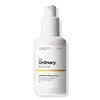
This chemical sunscreen covers most of the UV range, lighter on the deep UVA that drives aging.
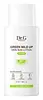
This hybrid sunscreen covers the full UV range and blocks ~98% of UVB at SPF 50.


What's inside
What's inside
 Key Ingredients
Benefits
Concerns
Ingredients Side-by-side
Butyl Methoxydibenzoylmethane 3%
UV Absorber
Homosalate 7%
Skin Conditioning
Ethylhexyl Salicylate 4.5%
UV Absorber
Octocrylene 10%
UV Absorber

Water
Skin ConditioningBehenyl Acrylate
Biosaccharide Gum-2
Skin ConditioningButyloctyl Salicylate
Skin Conditioning
Chlorphenesin
Antimicrobial
Diethylhexyl 2,6-Naphthalate
EmollientDimethicone/Vinyl Dimethicone Crosspolymer
Skin Conditioning
Glycerin
Humectant


Isododecane
EmollientMagnesium Sulfate
Acetyl Carnosine
Skin ProtectingP-Anisic Acid
MaskingPentylene Glycol
Skin Conditioning
Phenoxyethanol
Preservative
Propanediol
Solvent
Sodium Citrate
BufferingPhospholipids
Skin Conditioning
Sphingolipids
Emollient
Tocopherol
Antioxidant




Tri (Polyglyceryl-3/Lauryl) Hydrogenated Trilinoleate
EmulsifyingTrisodium Ethylenediamine Disuccinate
ChelatingButyl Methoxydibenzoylmethane 3%, Homosalate 7%, Ethylhexyl Salicylate 4.5%, Octocrylene 10%, Water, Behenyl Acrylate, Biosaccharide Gum-2, Butyloctyl Salicylate, Chlorphenesin, Diethylhexyl 2,6-Naphthalate, Dimethicone/Vinyl Dimethicone Crosspolymer, Glycerin, Isododecane, Magnesium Sulfate, Acetyl Carnosine, P-Anisic Acid, Pentylene Glycol, Phenoxyethanol, Propanediol, Sodium Citrate, Phospholipids, Sphingolipids, Tocopherol, Tri (Polyglyceryl-3/Lauryl) Hydrogenated Trilinoleate, Trisodium Ethylenediamine Disuccinate
Water
Skin ConditioningZinc Oxide
Cosmetic Colorant
Coco-Caprylate/Caprate
Emollient
Caprylyl Methicone
Skin Conditioning
Propylheptyl Caprylate
EmollientPropanediol
Solvent
Butyloctyl Salicylate
Skin Conditioning
Cyclohexasiloxane
Emollient
Niacinamide
Smoothing




Butylene Glycol Dicaprylate/Dicaprate
EmollientPolyglyceryl-3 Polydimethylsiloxyethyl Dimethicone
Skin Conditioning
Polyglyceryl-2 Dipolyhydroxystearate
Skin Conditioning

Centella Asiatica Extract
Cleansing
Bacopa Monnieri Extract
Skin ConditioningDisiloxane
Skin Conditioning
C13-15 Alkane
SolventDisteardimonium Hectorite
StabilisingPolymethylsilsesquioxane
Pinus Pinaster Bark Extract
Antioxidant
Caesalpinia Spinosa Fruit Extract
Skin ProtectingKappaphycus Alvarezii Extract
Skin Conditioning
Buddleja Officinalis Flower Extract
UV FilterLauryl Polyglyceryl-3 Polydimethylsiloxyethyl Dimethicone
Skin Conditioning
Polyhydroxystearic Acid
Emulsifying
Polyglyceryl-3 Polyricinoleate
Emulsifying
Magnesium Sulfate
Triethoxycaprylylsilane
1,2-Hexanediol
Skin Conditioning
Trihydroxystearin
Skin Conditioning
Silica
Abrasive
Neopentyl Glycol Diethylhexanoate
Emollient
Glyceryl Caprylate
EmollientCaprylyl Glycol
Emollient
Ethylhexylglycerin
Skin ConditioningAdenosine
Skin Conditioning
Tocopherol
Antioxidant
Water, Zinc Oxide, Coco-Caprylate/Caprate, Caprylyl Methicone, Propylheptyl Caprylate, Propanediol, Butyloctyl Salicylate, Cyclohexasiloxane, Niacinamide, Butylene Glycol Dicaprylate/Dicaprate, Polyglyceryl-3 Polydimethylsiloxyethyl Dimethicone, Polyglyceryl-2 Dipolyhydroxystearate, Centella Asiatica Extract, Bacopa Monnieri Extract, Disiloxane, C13-15 Alkane, Disteardimonium Hectorite, Polymethylsilsesquioxane, Pinus Pinaster Bark Extract, Caesalpinia Spinosa Fruit Extract, Kappaphycus Alvarezii Extract, Buddleja Officinalis Flower Extract, Lauryl Polyglyceryl-3 Polydimethylsiloxyethyl Dimethicone, Polyhydroxystearic Acid, Polyglyceryl-3 Polyricinoleate, Magnesium Sulfate, Triethoxycaprylylsilane, 1,2-Hexanediol, Trihydroxystearin, Silica, Neopentyl Glycol Diethylhexanoate, Glyceryl Caprylate, Caprylyl Glycol, Ethylhexylglycerin, Adenosine, Tocopherol
Reviews
Ingredients Explained
These ingredients are found in both products.
Ingredients higher up in an ingredient list are typically present in a larger amount.
Butyloctyl Salicylate is a chemical UV filter structurally similar to octisalate. It is a photostabilizer, SPF booster, emollient and solvent. This ingredient helps evenly spread out ingredients.
According to a manufacturer, it is suitable for pairing with micro Titanium Dioxide, Zinc Oxide, and pigments.
Photostabilizers help stabilize UV-filters and prevents them from degrading quickly.
Learn more about Butyloctyl SalicylateMagnesium Sulfate is a salt. More specifically, it is an epsom salt, or the bath salt used to help relieve muscle aches.
Despite having ‘sulfate’ in the name, it isn’t a surfactant or cleansing agent like sodium lauryl sulfate. Unlike those sulfates, magnesium sulfate doesn’t have the same cleansing or foaming properties (it's simply a type of salt).
In cosmetics, Magnesium Sulfate is used to thicken a product or help dilute other solids. It is a non-reactive and non-irritating ingredient.
One study shows magnesium deficiency may lead to inflammation of the skin. Applying magnesium topically may help reduce inflammation.
You can find this ingredient in sea water or mineral deposits.
Learn more about Magnesium SulfatePropanediol is an all-star ingredient. It softens, hydrates, and smooths the skin.
It’s often used to:
Propanediol is not likely to cause sensitivity and considered safe to use. It is derived from corn or petroleum with a clear color and no scent.
Learn more about PropanediolTocopherol is a fat-soluble antioxidant known as Vitamin E.
You'll find this ingredient in the vast majority of skincare (for good reason). It works to neutralize free radicals, or unstable molecules generated by UV exposure, pollution, and other environmental stressors, before they can cause oxidative damage to your skin cells.
Topically applied tocopherol has been shown to protect against UV damage by ramping up the skin's own natural defense enzymes.
It also acts as a skin conditioning agent; some studies show that regular topical use can improve the skin's water-binding capacity over 2-4 weeks.
This ingredient is especially loved for being a team player. When combined with Vitamin C, the photoprotective effect of both ingredients roughly doubles and the combo also helps reduce UV-induced DNA damage.
This ingredient has some brightening potential but it's more of a prevention ingredient than spot-fader. Cell studies show it can slow down melanin production but it's worth noting that it's not the most powerful brightener out there.
In formulations, it also serves as a stabilizer that helps protect other oxidation-prone ingredients from degrading.
Concentrations usually range from 0.1-1% in most leave-on products.
Learn more about TocopherolWater. It's the most common cosmetic ingredient of all. You'll usually see it at the top of ingredient lists, meaning that it makes up the largest part of the product.
So why is it so popular? Water most often acts as a solvent - this means that it helps dissolve other ingredients into the formulation.
You'll also recognize water as that liquid we all need to stay alive. If you see this, drink a glass of water. Remember to stay hydrated!
Learn more about Water

