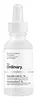
This hydrating treatment is formulated around Sodium Hyaluronate and Sodium Hyaluronate Crosspolymer to hydrate skin and strengthen the skin barrier.
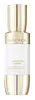
This brightening serum is formulated around Niacinamide and Panax Ginseng Root Extract to brighten dull-looking skin and fade the look of dark spots.


What's inside
What's inside
 Key Ingredients
Benefits
Concerns
Ingredients Side-by-side
Water
Skin ConditioningSodium Hyaluronate
Humectant




Pentylene Glycol
Skin Conditioning
Propanediol
Solvent
Sodium Hyaluronate Crosspolymer
Humectant
Panthenol
Skin Conditioning
Ahnfeltia Concinna Extract
Skin ConditioningGlycerin
Humectant
Trisodium Ethylenediamine Disuccinate
Citric Acid
Buffering


Isoceteth-20
EmulsifyingEthoxydiglycol
HumectantEthylhexylglycerin
Skin ConditioningHexylene Glycol
Emulsifying1,2-Hexanediol
Skin Conditioning
Phenoxyethanol
Preservative
Caprylyl Glycol
Emollient
Water, Sodium Hyaluronate, Pentylene Glycol, Propanediol, Sodium Hyaluronate Crosspolymer, Panthenol, Ahnfeltia Concinna Extract, Glycerin, Trisodium Ethylenediamine Disuccinate, Citric Acid, Isoceteth-20, Ethoxydiglycol, Ethylhexylglycerin, Hexylene Glycol, 1,2-Hexanediol, Phenoxyethanol, Caprylyl Glycol
Water
Skin ConditioningAlcohol Denat.
Antimicrobial



Propanediol
Solvent
PEG/PPG-17/6 Copolymer
SolventPolyglycerin-3
Humectant
Dimethicone
Emollient
Glycerin
Humectant
Cetyl Ethylhexanoate
EmollientNiacinamide
Smoothing





Phytosteryl/Octyldodecyl Lauroyl Glutamate
Skin Conditioning1,2-Hexanediol
Skin Conditioning
Butylene Glycol
Humectant
Phenyl Trimethicone
Skin Conditioning
Caprylyl Methicone
Skin Conditioning
C14-22 Alcohols
Emulsion Stabilising
Glyceryl Stearate
Emollient
PEG-100 Stearate
Surfactant
Polymethyl Methacrylate
Vinyl Dimethicone/Methicone Silsesquioxane Crosspolymer
Sodium Polyacryloyldimethyl Taurate
Emulsion StabilisingHydroxyethyl Acrylate/Sodium Acryloyldimethyl Taurate Copolymer
Emulsion StabilisingCarbomer
Emulsion StabilisingParfum
Masking

C12-20 Alkyl Glucoside
EmulsifyingThymol Trimethoxycinnamate
Antioxidant
CI 77891
Cosmetic ColorantCetearyl Alcohol
Emollient


Tromethamine
BufferingGlyceryl Caprylate
EmollientDimethiconol
Emollient
Synthetic Fluorphlogopite
Disodium EDTA
Ethylhexylglycerin
Skin ConditioningAdenosine
Skin Conditioning
Mica
Cosmetic ColorantMethoxy PEG-114/Polyepsilon Caprolactone
BufferingMorus Alba Root Extract
BleachingLinalool
Perfuming
Sorbitan Isostearate
Emulsifying
Polysorbate 60
Emulsifying
Tranexamic Acid
Astringent
Panax Ginseng Root Extract
Emollient
Limonene
Perfuming
Honey
Humectant
Rehmannia Glutinosa Root Extract
Skin ConditioningPhenoxyethanol
Preservative
Hydrolyzed Ginseng Saponins
Skin ConditioningPaeonia Lactiflora Root Extract
Skin ConditioningLilium Candidum Bulb Extract
Skin ConditioningPolygonatum Odoratum Rhizome Extract
Skin ConditioningTin Oxide
Abrasive
Glucose
Humectant
Nelumbo Nucifera Flower Extract
Skin ConditioningTocopherol
Antioxidant
Water, Alcohol Denat., Propanediol, PEG/PPG-17/6 Copolymer, Polyglycerin-3, Dimethicone, Glycerin, Cetyl Ethylhexanoate, Niacinamide, Phytosteryl/Octyldodecyl Lauroyl Glutamate, 1,2-Hexanediol, Butylene Glycol, Phenyl Trimethicone, Caprylyl Methicone, C14-22 Alcohols, Glyceryl Stearate, PEG-100 Stearate, Polymethyl Methacrylate, Vinyl Dimethicone/Methicone Silsesquioxane Crosspolymer, Sodium Polyacryloyldimethyl Taurate, Hydroxyethyl Acrylate/Sodium Acryloyldimethyl Taurate Copolymer, Carbomer, Parfum, C12-20 Alkyl Glucoside, Thymol Trimethoxycinnamate, CI 77891, Cetearyl Alcohol, Tromethamine, Glyceryl Caprylate, Dimethiconol, Synthetic Fluorphlogopite, Disodium EDTA, Ethylhexylglycerin, Adenosine, Mica, Methoxy PEG-114/Polyepsilon Caprolactone, Morus Alba Root Extract, Linalool, Sorbitan Isostearate, Polysorbate 60, Tranexamic Acid, Panax Ginseng Root Extract, Limonene, Honey, Rehmannia Glutinosa Root Extract, Phenoxyethanol, Hydrolyzed Ginseng Saponins, Paeonia Lactiflora Root Extract, Lilium Candidum Bulb Extract, Polygonatum Odoratum Rhizome Extract, Tin Oxide, Glucose, Nelumbo Nucifera Flower Extract, Tocopherol
Reviews
Alternatives
Ingredients Explained
These ingredients are found in both products.
Ingredients higher up in an ingredient list are typically present in a larger amount.
1,2-Hexanediol is a synthetic liquid and another multi-functional powerhouse.
It is a:
- Humectant, drawing moisture into the skin
- Emollient, helping to soften skin
- Solvent, dispersing and stabilizing formulas
- Preservative booster, enhancing the antimicrobial activity of other preservatives
Ethylhexylglycerin is created from glycerin. It is a multitasker ingredient that:
The CIR Expert Panel found minimal skin absorption or sensitization of any kind in a safety assessment. Though this ingredient is considered well-tolerated, a small number of cases of allergic dermatitis have been published since 2002. Just be sure to patch test if you are unsure.
Industry-reported use ranges from 8% in rinse-off products and 2% in leave-on formulations.
Learn more about EthylhexylglycerinGlycerin (or glycerol) is a compound naturally found in your skin. It's a powerhouse humectant that pulls water into the stratum corneum.
Topically, glycerin does several things at once:
Your skin makes glycerin on its own (mostly from sebaceous oil breakdown) and shuttles it to your outermost layer of skin, or your epidermis, via aquaporin-3.
Aquaporin-3 is a transporter that is essential for normal skin hydration, elasticity, and repair. Interestingly, mice lacking in AQP3 have dry and less elastic skin that can be fully corrected with glycerin.
This ingredient is non-irritating, plays well with almost every ingredient, and works across all skin types. Typical use is anywhere between 3-10% but can go up to 79% in some leave-on products.
Just know very high concentrations (>40%) can feel tacky in low humidity.
Glycerin is the name for this ingredient in American English. British English uses Glycerol/Glycerine.
Learn more about GlycerinPhenoxyethanol is one of the most widely used preservatives in skincare (and for good reason!).
It has a large spectrum of antimicrobial activity and especially effective bacteria, yeast, and mold while only having a weak effect on your skin's natural microbiome.
On a cellular level, it disrupts the cell membranes of microbes by poking holes that make the cell leak. This shuts down the chemical reactions the microbe needs to make energy so it can no longer survive.
Another perk of this ingredient is that it stays functional across a wide pH range (3-10).
You'll often see it paired with boosters like Ethylhexylglycerin; one study showed that a 1:9 ratio of Ethylhexylglycerin to Phenoxyethanol damages bacterial membranes as effectively as doubling the Phenoxyethanol concentration on its own.
Typical use concentrations range from 0.3-1% depending on the formula, and this ingredient is capped at 1% int the EU.
Safety-wise, the fear mongering does not hold up to the evidence. The EU's Scientific Committee on Consumer Safety and FDA consider it safe as a preservative at up to 1%, including for children of all ages.
Adverse systemic effects only showed up in animal studies at exposures roughly 200x higher than what people get from cosmetics. And despite its very widespread use, this ingredient is a rare sensitizer and allergic reactions are uncommon.
Learn more about PhenoxyethanolPropanediol is an all-star ingredient. It softens, hydrates, and smooths the skin.
It’s often used to:
Propanediol is not likely to cause sensitivity and considered safe to use. It is derived from corn or petroleum with a clear color and no scent.
Learn more about PropanediolWater. It's the most common cosmetic ingredient of all. You'll usually see it at the top of ingredient lists, meaning that it makes up the largest part of the product.
So why is it so popular? Water most often acts as a solvent - this means that it helps dissolve other ingredients into the formulation.
You'll also recognize water as that liquid we all need to stay alive. If you see this, drink a glass of water. Remember to stay hydrated!
Learn more about Water

