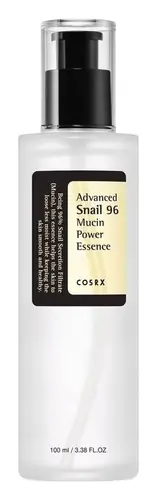
This brightening emulsion is formulated around Niacinamide to brighten dull-looking skin.
This hydrating essence is formulated around Snail Secretion Filtrate and Allantoin to hydrate skin and calm redness.

What's inside
What's inside
 Key Ingredients
Benefits
Concerns
No concerns
Ingredients Side-by-side
Water
Skin ConditioningDipropylene Glycol
HumectantGlycerin
Humectant


Niacinamide
Smoothing









Isocetyl Myristate
EmollientDimethicone
Emollient
1,2-Hexanediol
Skin Conditioning
Lactobacillus/Soybean Ferment Extract
Skin ConditioningHydrogenated Lecithin
Emulsifying
Cyclopentasiloxane
Emollient
Panthenol
Skin Conditioning
Hydrogenated Polyisobutene
EmollientSaccharomyces/Potato Extract Ferment Filtrate
Humectant

Saccharomyces/Barley Seed Ferment Filtrate
HumectantSqualane
Emollient
Macadamia Ternifolia Seed Oil
Emollient
Butyrospermum Parkii Butter
Skin Conditioning


Ceramide NP
Skin Conditioning
Pearl Powder
Panax Ginseng Root Extract
Emollient
Butylene Glycol
Humectant
Cnidium Officinale Root Extract
Skin ConditioningPoria Cocos Extract
Skin ConditioningPolygonum Multiflorum Root Extract
Skin ConditioningAngelica Gigas Root Extract
Skin ConditioningCuscuta Japonica Seed Extract
Skin ConditioningLycium Chinense Fruit Extract
Antioxidant
Paeonia Lactiflora Extract
AstringentGinkgo Biloba Nut Extract
Skin ConditioningAtractylodes Macrocephala Root Extract
Skin ConditioningCornus Officinalis Fruit Extract
Skin ConditioningSchisandra Chinensis Fruit Extract
Skin Conditioning
Ziziphus Jujuba Fruit Extract
Skin ConditioningLonicera Japonica Flower Extract
Skin ConditioningBetaine
Humectant
Trehalose
Humectant
Adenosine
Skin Conditioning
Glyceryl Stearate
Emollient
PEG-100 Stearate
Surfactant
PEG-5 Glyceryl Stearate
Emulsifying
Dimethiconol
Emollient
Dimethicone/PEG-10/15 Crosspolymer
Lauryl PEG-9 Polydimethylsiloxyethyl Dimethicone
Skin Conditioning
Dimethicone/Vinyl Dimethicone Crosspolymer
Skin Conditioning
Stearyl Alcohol
Emollient
Behenic Acid
Cleansing
Behenyl Alcohol
Emollient
Stearic Acid
Cleansing
Myristic Acid
Cleansing
Carbomer
Emulsion StabilisingC14-22 Alcohols
Emulsion Stabilising
Triethylhexanoin
MaskingArachidyl Glucoside
EmulsifyingCholesterol
Emollient
Tromethamine
BufferingTrisodium EDTA
ChelatingParfum
Masking


Alpha-Isomethyl Ionone
Perfuming
Citronellol
Perfuming
Hexyl Cinnamal
Perfuming
Hydroxycitronellal
Perfuming
Linalool
Perfuming
Water, Dipropylene Glycol, Glycerin, Niacinamide, Isocetyl Myristate, Dimethicone, 1,2-Hexanediol, Lactobacillus/Soybean Ferment Extract, Hydrogenated Lecithin, Cyclopentasiloxane, Panthenol, Hydrogenated Polyisobutene, Saccharomyces/Potato Extract Ferment Filtrate, Saccharomyces/Barley Seed Ferment Filtrate, Squalane, Macadamia Ternifolia Seed Oil, Butyrospermum Parkii Butter, Ceramide NP, Pearl Powder, Panax Ginseng Root Extract, Butylene Glycol, Cnidium Officinale Root Extract, Poria Cocos Extract, Polygonum Multiflorum Root Extract, Angelica Gigas Root Extract, Cuscuta Japonica Seed Extract, Lycium Chinense Fruit Extract, Paeonia Lactiflora Extract, Ginkgo Biloba Nut Extract, Atractylodes Macrocephala Root Extract, Cornus Officinalis Fruit Extract, Schisandra Chinensis Fruit Extract, Ziziphus Jujuba Fruit Extract, Lonicera Japonica Flower Extract, Betaine, Trehalose, Adenosine, Glyceryl Stearate, PEG-100 Stearate, PEG-5 Glyceryl Stearate, Dimethiconol, Dimethicone/PEG-10/15 Crosspolymer, Lauryl PEG-9 Polydimethylsiloxyethyl Dimethicone, Dimethicone/Vinyl Dimethicone Crosspolymer, Stearyl Alcohol, Behenic Acid, Behenyl Alcohol, Stearic Acid, Myristic Acid, Carbomer, C14-22 Alcohols, Triethylhexanoin, Arachidyl Glucoside, Cholesterol, Tromethamine, Trisodium EDTA, Parfum, Alpha-Isomethyl Ionone, Citronellol, Hexyl Cinnamal, Hydroxycitronellal, Linalool



Reviews
Ingredients Explained
These ingredients are found in both products.
Ingredients higher up in an ingredient list are typically present in a larger amount.
1,2-Hexanediol is a synthetic liquid and another multi-functional powerhouse.
It is a:
- Humectant, drawing moisture into the skin
- Emollient, helping to soften skin
- Solvent, dispersing and stabilizing formulas
- Preservative booster, enhancing the antimicrobial activity of other preservatives
Betaine is a humectant. Like hyaluronic acid, it helps attract and retain moisture in the skin. It’s known for being gentle and for helping the skin maintain balanced hydration.
Betaine is mainly used to improve hydration and support calmer skin. It helps skin cells regulate water balance because it functions as an osmolyte.
Some studies suggest betaine may support making skin tone more even.
Fun fact: Betaine naturally exists in the skin and the body. In cosmetic products, it can be either plant-derived (most commonly from sugar beets) or synthetically produced for consistency and stability.
Betaine is also known as trimethylglycine.
Learn more about BetaineButylene Glycol (or BG) is used within cosmetic products for a few different reasons:
Overall, Butylene Glycol is a safe and well-rounded ingredient that works well with other ingredients.
Though this ingredient works well with most skin types, some people with sensitive skin may experience a reaction such as allergic rashes, closed comedones, or itchiness.
Learn more about Butylene GlycolCarbomer is a synthetic thickening and gelling agent. It's basically the ingredient that gives a lot of serums, gels, creams, and sunscreens their smooth, non-sticky texture.
Although legally permitted at very high levels, carbomers are normally used at concentrations below 1%.
It also needs to be neutralized to actually thicken, and because it is a large molecule, it doesn't really penetrate the skin barrier.
Allergy-wise, the risk is very low. Clinical studies show carbomers have low potential for skin irritation/sensitization even at concentrations up to 100%.
A 2024 UK study patch-tested 1,302 patients and found true allergy to the parent group of carbomer to be rare with no confirmed relevant reactions.
Learn more about CarbomerPanthenol is a common ingredient that helps hydrate and soothe the skin. It is found naturally in our skin and hair.
There are two forms of panthenol: D and L.
D-panthenol is also known as dexpanthenol. Most cosmetics use dexpanthenol or a mixture of D and L-panthenol.
Panthenol is famous due to its ability to go deeper into the skin's layers. Using this ingredient has numerous pros (and no cons):
Like hyaluronic acid, panthenol is a humectant. Humectants are able to bind and hold large amounts of water to keep skin hydrated.
This ingredient works well for wound healing. It works by increasing tissue in the wound and helps close open wounds.
Once oxidized, panthenol converts to pantothenic acid. Panthothenic acid is found in all living cells.
This ingredient is also referred to as pro-vitamin B5.
Learn more about PanthenolWater. It's the most common cosmetic ingredient of all. You'll usually see it at the top of ingredient lists, meaning that it makes up the largest part of the product.
So why is it so popular? Water most often acts as a solvent - this means that it helps dissolve other ingredients into the formulation.
You'll also recognize water as that liquid we all need to stay alive. If you see this, drink a glass of water. Remember to stay hydrated!
Learn more about Water

