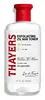
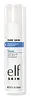
Thayers Exfoliating 2% AHA Toner Versus e.l.f. cosmetics Skin Pure Skin + Dermatologist Developed Toner
This toner is formulated around Aloe Barbadensis Leaf Juice to calm irritation and reduce redness.
This barrier-repair toner is formulated around Aloe Barbadensis Leaf Juice and Niacinamide to strengthen the skin barrier and calm redness.

What's inside
What's inside
 Key Ingredients
No key ingredients
Benefits
Concerns
Ingredients Side-by-side
Water
Skin ConditioningAloe Barbadensis Leaf Juice
Skin Conditioning


Vaccinium Myrtillus Fruit Extract
Skin ConditioningSodium Hydroxide
BufferingHamamelis Virginiana Water
Astringent



Saccharum Officinarum Extract
MoisturisingChamomilla Recutita Flower Extract
Masking
Chamomilla Recutita Extract
Skin Conditioning
Acer Saccharum Extract
Skin ConditioningCitrus Aurantium Dulcis Fruit Extract
MaskingCitrus Aurantium Dulcis Oil
Masking
Citrus Aurantium Dulcis Peel Oil
Masking
Citrus Limon Fruit Extract
Masking
Pvp
Emulsion StabilisingIsoceteth-20
EmulsifyingDisodium EDTA
Propylene Glycol
Humectant
Citric Acid
Buffering

Potassium Sorbate
Preservative
Sodium Benzoate
Masking
Phenoxyethanol
Preservative
Chlorphenesin
Antimicrobial
Limonene
Perfuming
Water, Aloe Barbadensis Leaf Juice, Vaccinium Myrtillus Fruit Extract, Sodium Hydroxide, Hamamelis Virginiana Water, Saccharum Officinarum Extract, Chamomilla Recutita Flower Extract, Chamomilla Recutita Extract, Acer Saccharum Extract, Citrus Aurantium Dulcis Fruit Extract, Citrus Aurantium Dulcis Oil, Citrus Aurantium Dulcis Peel Oil, Citrus Limon Fruit Extract, Pvp, Isoceteth-20, Disodium EDTA, Propylene Glycol, Citric Acid, Potassium Sorbate, Sodium Benzoate, Phenoxyethanol, Chlorphenesin, Limonene
Water
Skin ConditioningAloe Barbadensis Leaf Juice
Skin Conditioning
Glycerin
Humectant
Niacinamide
Smoothing






Trehalose
Humectant
Ceramide NP
Skin Conditioning
Ceramide AP
Skin Conditioning
Ceramide EOP
Skin Conditioning
Glycolic Acid
Buffering
Sodium Hyaluronate
Humectant
Chamomilla Recutita Flower Water
MaskingTocopheryl Acetate
Antioxidant

Hamamelis Virginiana Water
Astringent
Avena Sativa Kernel Flour
Abrasive
Sodium PCA
Humectant
Allantoin
Skin Conditioning
Phytosphingosine
Skin Conditioning
Cholesterol
Emollient
Pentylene Glycol
Skin Conditioning
Sodium Lauroyl Lactylate
EmulsifyingCaprylyl/Capryl Glucoside
CleansingPolyglyceryl-3 Cocoate
Emulsifying

Polyglyceryl-10 Laurate
Skin Conditioning
Xanthan Gum
EmulsifyingCarbomer
Emulsion StabilisingPhenoxyethanol
Preservative
Ethylhexylglycerin
Skin ConditioningSodium Benzoate
Masking
Citric Acid
Buffering
Benzoic Acid
Masking
Disodium EDTA
Tromethamine
BufferingWater, Aloe Barbadensis Leaf Juice, Glycerin, Niacinamide, Trehalose, Ceramide NP, Ceramide AP, Ceramide EOP, Glycolic Acid, Sodium Hyaluronate, Chamomilla Recutita Flower Water, Tocopheryl Acetate, Hamamelis Virginiana Water, Avena Sativa Kernel Flour, Sodium PCA, Allantoin, Phytosphingosine, Cholesterol, Pentylene Glycol, Sodium Lauroyl Lactylate, Caprylyl/Capryl Glucoside, Polyglyceryl-3 Cocoate, Polyglyceryl-10 Laurate, Xanthan Gum, Carbomer, Phenoxyethanol, Ethylhexylglycerin, Sodium Benzoate, Citric Acid, Benzoic Acid, Disodium EDTA, Tromethamine
Reviews
Ingredients Explained
These ingredients are found in both products.
Ingredients higher up in an ingredient list are typically present in a larger amount.
Aloe Barbadensis Leaf Juice is the filtered, stabilized liquid pressed from the inner gel of the aloe vera leaf.
In cosmetics, it shows up as either soothing active or a water-replacement base. It is roughly 98-99% water and the last 1-2% is an interesting mix of polysaccharides, amino acids, vitamins, minerals, and enzymes.
The polysaccharides do most of the work: they bind water at the skin surface for a light, non-greasy hydration boost. And one of the polysaccharides, glycomannan, is linked to fibroblast stimulation + collagen synthesis. This is also why aloe has such a long track record in wound and burn healing.
This ingredient is also calming with anti-inflammatory and mild antimicrobial activity, making it a great pick for sensitive, irritated, or post-sun skin.
Realistic expectations matter though; the solid evidence is mostly limited to hydration, soothing, and wound support. Deeper claims about anti-aging or sun protection are not well backed, and science reviews note it does not prevent radiation-induced skin injury.
Because it plays well with almost everything, it's commonly used as a base alongside other actives like niacinamide or vitamin C.
Typical usage concentrations range from 0.5% (where hydration benefits already show up) all the way to 90%+ (where it replaces water as the main base).
The safety for this ingredient is well-establish as well. Overall, this is a great supporting ingredient for those who want a boost in hydration.
Learn more about Aloe Barbadensis Leaf JuiceCitric Acid is an alpha hydroxy acid (AHA) naturally found in citrus fruits like oranges, lemons, and limes.
Like other AHAs, citric acid can exfoliate skin by breaking down the bonds that hold dead skin cells together. This helps reveal smoother and brighter skin underneath.
However, this exfoliating effect only happens at high concentrations (20%) which can be hard to find in cosmetic products.
Due to this, citric acid is usually included in small amounts as a pH adjuster. This helps keep products slightly more acidic and compatible with skin's natural pH.
In skincare formulas, citric acid can:
While it can provide some skin benefits, research shows lactic acid and glycolic acid are generally more effective and less irritating exfoliants.
Most citric acid used in skincare today is made by fermenting sugars (usually from molasses). This synthetic version is identical to the natural citrus form but easier to stabilize and use in formulations.
Read more about some other popular AHA's here:
Learn more about Citric AcidDisodium EDTA is a chelating agent. It grabs onto and deactivates metal ions that sneak into your products from water, packaging, or air.
This ingredient mainly works behind the scenes and helps with:
On top of that, this ingredient can counteract the effects of hard water by binding to the minerals in it.
One thing worth knowing is that Disodium EDTA has been shown to be a mild penetration enhancer. It can help other ingredients absorb into skin more effectively which can be a double-edged sword (great for actives, but can also make the active too strong if you have sensitive skin).
Clinical patch testing showed no significant skin irritation at typical use concentrations and minimal dermal absorption.
You'll most likely see this ingredient near the end of an ingredient list. It's typically found in concentrations less than 1%.
Learn more about Disodium EDTAHamamelis Virginiana Water is made by distilling parts of the witch hazel plant. You can also call this ingredient "witch hazel water".
The name 'Hamamelis Virginiana Water' refers to the distillation product used in cosmetics. On the other hand, 'Witch Hazel' refers to the active drug ingredient.
Unless it is specified to be non-alcohol, many types of witch hazel ingredients are distilled in denatured alcohol.
Witch Hazel water is an astringent, anti-inflammatory antioxidant, and antibacterial ingredient.
It contains tannins. Tannins have a drying effect when used on skin by constricting proteins. The constriction also minimizes the appearance of pores.
Both the tannins and fragrance found in witch hazel may be skin-sensitizing.
Witch hazel water gets anti-inflammatory and antibacterial properties from its catechin and gallic acid content.
Indigenous groups have used witch hazel to help treat inflammation in North America for centuries.
Learn more about Hamamelis Virginiana WaterPhenoxyethanol is one of the most widely used preservatives in skincare (and for good reason!).
It has a large spectrum of antimicrobial activity and especially effective bacteria, yeast, and mold while only having a weak effect on your skin's natural microbiome.
On a cellular level, it disrupts the cell membranes of microbes by poking holes that make the cell leak. This shuts down the chemical reactions the microbe needs to make energy so it can no longer survive.
Another perk of this ingredient is that it stays functional across a wide pH range (3-10).
You'll often see it paired with boosters like Ethylhexylglycerin; one study showed that a 1:9 ratio of Ethylhexylglycerin to Phenoxyethanol damages bacterial membranes as effectively as doubling the Phenoxyethanol concentration on its own.
Typical use concentrations range from 0.3-1% depending on the formula, and this ingredient is capped at 1% int the EU.
Safety-wise, the fear mongering does not hold up to the evidence. The EU's Scientific Committee on Consumer Safety and FDA consider it safe as a preservative at up to 1%, including for children of all ages.
Adverse systemic effects only showed up in animal studies at exposures roughly 200x higher than what people get from cosmetics. And despite its very widespread use, this ingredient is a rare sensitizer and allergic reactions are uncommon.
Learn more about PhenoxyethanolSodium Benzoate is a preservative. It's used in both cosmetic and food products to inhibit the growth of mold and bacteria. It is typically produced synthetically.
Both the US FDA and EU Health Committee have approved the use of sodium benzoate. In the US, levels of 0.1% (of the total product) are allowed.
Sodium benzoate works as a preservative by inhibiting the growth of bacteria inside of cells. It prevents the cell from fermenting a type of sugar using an enzyme called phosphofructokinase.
It is the salt of benzoic acid. Foods containing sodium benzoate include soda, salad dressings, condiments, fruit juices, wines, and snack foods.
Studies for using ascorbic acid and sodium benzoate in cosmetics are lacking, especially in skincare routines with multiple steps.
We always recommend speaking with a professional, such as a dermatologist, if you have any concerns.
Learn more about Sodium BenzoateWater. It's the most common cosmetic ingredient of all. You'll usually see it at the top of ingredient lists, meaning that it makes up the largest part of the product.
So why is it so popular? Water most often acts as a solvent - this means that it helps dissolve other ingredients into the formulation.
You'll also recognize water as that liquid we all need to stay alive. If you see this, drink a glass of water. Remember to stay hydrated!
Learn more about Water

