

What's inside
What's inside
 Key Ingredients
Benefits
Concerns
Ingredients Side-by-side
Phyllanthus Emblica Fruit Extract
HumectantVaccinium Myrtillus Bud Extract
Antioxidant
Saccharum Officinarum Extract
MoisturisingAcer Saccharum Extract
Skin ConditioningCitrus Aurantium Dulcis Fruit Extract
MaskingCitrus Medica Limonum Fruit Water
Skin ConditioningDisodium Cocoamphodipropionate
CleansingSodium C14-16 Olefin Sulfonate
Cleansing
Polysorbate 20
Emulsifying
Cocamidopropyl Betaine
Cleansing

Sodium Cocoyl Isethionate
CleansingDecyl Glucoside
CleansingPolyquaternium-10
Citric Acid
Buffering





Phenoxyethanol
Preservative
Parfum
Masking
Caprylyl Glycol
Emollient
Disodium EDTA
Panthenol
Skin Conditioning



Tocopheryl Acetate
Antioxidant
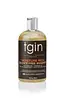
Phyllanthus Emblica Fruit Extract, Vaccinium Myrtillus Bud Extract, Saccharum Officinarum Extract, Acer Saccharum Extract, Citrus Aurantium Dulcis Fruit Extract, Citrus Medica Limonum Fruit Water, Disodium Cocoamphodipropionate, Sodium C14-16 Olefin Sulfonate, Polysorbate 20, Cocamidopropyl Betaine, Sodium Cocoyl Isethionate, Decyl Glucoside, Polyquaternium-10, Citric Acid, Phenoxyethanol, Parfum, Caprylyl Glycol, Disodium EDTA, Panthenol, Tocopheryl Acetate
Water
Skin ConditioningSodium Laureth Sulfate
Cleansing

Cocamidopropyl Betaine
Cleansing
PEG-7 Glyceryl Cocoate
Emulsifying
Sodium Chloride
Masking
Nymphaea Caerulea Flower Extract
Skin ConditioningGlycine
Buffering
Lysine Hcl
Skin Conditioning
Hydrolyzed Keratin
Humectant
Disodium Cocoamphodiacetate
CleansingParfum
Masking
Sodium Benzoate
Masking
Citric Acid
Buffering
Cocamide Mea
EmulsifyingDimethicone
Emollient
Guar Hydroxypropyltrimonium Chloride
Skin ConditioningGlycol Distearate
Emollient
Hydrogenated Castor Oil
Emollient
Laureth-4
Emulsifying
Propylene Glycol
Humectant
Sodium Hydroxide
BufferingLinalool
Perfuming
Laureth-23
CleansingSalicylic Acid
Masking

Phenoxyethanol
Preservative
Potassium Sorbate
Preservative
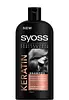
Water, Sodium Laureth Sulfate, Cocamidopropyl Betaine, PEG-7 Glyceryl Cocoate, Sodium Chloride, Nymphaea Caerulea Flower Extract, Glycine, Lysine Hcl, Hydrolyzed Keratin, Disodium Cocoamphodiacetate, Parfum, Sodium Benzoate, Citric Acid, Cocamide Mea, Dimethicone, Guar Hydroxypropyltrimonium Chloride, Glycol Distearate, Hydrogenated Castor Oil, Laureth-4, Propylene Glycol, Sodium Hydroxide, Linalool, Laureth-23, Salicylic Acid, Phenoxyethanol, Potassium Sorbate
Ingredients Explained
These ingredients are found in both products.
Ingredients higher up in an ingredient list are typically present in a larger amount.
Citric Acid is an alpha hydroxy acid (AHA) naturally found in citrus fruits like oranges, lemons, and limes.
Like other AHAs, citric acid can exfoliate skin by breaking down the bonds that hold dead skin cells together. This helps reveal smoother and brighter skin underneath.
However, this exfoliating effect only happens at high concentrations (20%) which can be hard to find in cosmetic products.
Due to this, citric acid is usually included in small amounts as a pH adjuster. This helps keep products slightly more acidic and compatible with skin's natural pH.
In skincare formulas, citric acid can:
While it can provide some skin benefits, research shows lactic acid and glycolic acid are generally more effective and less irritating exfoliants.
Most citric acid used in skincare today is made by fermenting sugars (usually from molasses). This synthetic version is identical to the natural citrus form but easier to stabilize and use in formulations.
Read more about some other popular AHA's here:
Learn more about Citric AcidCocamidopropyl Betaine is a fatty acid created by mixing similar compounds in coconut oil and dimethylaminopropylamine, a compound with two amino groups.
This ingredient is a surfactant and cleanser. It helps gather the dirt, pollutants, and other impurities in your skin to be washed away. It also helps thicken a product and make the texture more creamy.
Being created from coconut oil means Cocamidopropyl Betaine is hydrating for the skin.
While Cocamidopropyl Betaine was believed to be an allergen, a study from 2012 disproved this. It found two compounds in unpure Cocamidopropyl Betaine to be the irritants: aminoamide and 3-dimethylaminopropylamine. High-grade and pure Cocamidopropyl Betaine did not induce allergic reactions during this study.
Learn more about Cocamidopropyl BetaineParfum is a catch-all term for an ingredient or more that is used to give a scent to products.
Also called "fragrance", this ingredient can be a blend of hundreds of chemicals or plant oils. This means every product with "fragrance" or "parfum" in the ingredients list is a different mixture.
For instance, Habanolide is a proprietary trade name for a specific aroma chemical. When used as a fragrance ingredient in cosmetics, most aroma chemicals fall under the broad labeling category of “FRAGRANCE” or “PARFUM” according to EU and US regulations.
The term 'parfum' or 'fragrance' is not regulated in many countries. In many cases, it is up to the brand to define this term.
For instance, many brands choose to label themselves as "fragrance-free" because they are not using synthetic fragrances. However, their products may still contain ingredients such as essential oils that are considered a fragrance by INCI standards.
One example is Calendula flower extract. Calendula is an essential oil that still imparts a scent or 'fragrance'.
Depending on the blend, the ingredients in the mixture can cause allergies and sensitivities on the skin. Some ingredients that are known EU allergens include linalool and citronellol.
Parfum can also be used to mask or cover an unpleasant scent.
The bottom line is: not all fragrances/parfum/ingredients are created equally. If you are worried about fragrances, we recommend taking a closer look at an ingredient. And of course, we always recommend speaking with a professional.
Learn more about ParfumPhenoxyethanol is a preservative that has germicide, antimicrobial, and aromatic properties. Studies show that phenoxyethanol can prevent microbial growth. By itself, it has a scent that is similar to that of a rose.
It's often used in formulations along with Caprylyl Glycol to preserve the shelf life of products.

