This chemical sunscreen covers the full UV range and blocks ~98% of UVB at SPF 50.
This chemical sunscreen covers the full UV range and blocks ~98% of UVB at SPF 50.


What's inside
What's inside
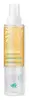 Key Ingredients
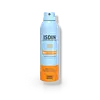
Benefits
Concerns
Ingredients Side-by-side
Water
Skin ConditioningDicaprylyl Carbonate
EmollientCoco-Caprylate/Caprate
Emollient
Diethylamino Hydroxybenzoyl Hexyl Benzoate
UV Filter
Bis-Ethylhexyloxyphenol Methoxyphenyl Triazine
UV Absorber
Dicaprylyl Ether
Emollient
Diisopropyl Adipate
EmollientEthylhexyl Triazone
UV Absorber
Niacinamide
Smoothing











Sodium Chloride
MaskingBixa Orellana Seed Extract
MaskingGlycine Soja Oil
Emollient





Hexylene Glycol
EmulsifyingLepidium Sativum Sprout Extract
Skin ConditioningHelianthus Annuus Seed Oil
Emollient
Tocopherol
Antioxidant

Caprylic/Capric Triglyceride
Masking
Citric Acid
Buffering
Coco-Betaine
Cleansing
Potassium Sorbate
Preservative
Sodium Benzoate
Masking
Parfum
Masking


Water, Dicaprylyl Carbonate, Coco-Caprylate/Caprate, Diethylamino Hydroxybenzoyl Hexyl Benzoate, Bis-Ethylhexyloxyphenol Methoxyphenyl Triazine, Dicaprylyl Ether, Diisopropyl Adipate, Ethylhexyl Triazone, Niacinamide, Sodium Chloride, Bixa Orellana Seed Extract, Glycine Soja Oil, Hexylene Glycol, Lepidium Sativum Sprout Extract, Helianthus Annuus Seed Oil, Tocopherol, Caprylic/Capric Triglyceride, Citric Acid, Coco-Betaine, Potassium Sorbate, Sodium Benzoate, Parfum
Isobutane
Water
Skin ConditioningDibutyl Adipate
EmollientButyl Methoxydibenzoylmethane
UV Absorber
C12-15 Alkyl Benzoate
AntimicrobialEthylhexyl Salicylate
UV Absorber
Isoamyl Laurate
Emollient
Isononyl Isononanoate
EmollientCoco-Caprylate/Caprate
Emollient
Ethylhexyl Triazone
UV Absorber
Polyglyceryl-2 Dipolyhydroxystearate
Skin Conditioning
Bis-Ethylhexyloxyphenol Methoxyphenyl Triazine
UV Absorber
Trimethylpentanediol/Adipic Acid/Glycerin Crosspolymer
Skin ConditioningCaprylic/Capric Triglyceride
Masking
Silica
Abrasive
Pentylene Glycol
Skin Conditioning
Glyceryl Oleate
Emollient
Magnesium Sulfate
Sodium Chloride
MaskingGlycerin
Humectant
Panthenol
Skin Conditioning
Poly C10-30 Alkyl Acrylate
Emulsion StabilisingTocopheryl Acetate
Antioxidant
Disteardimonium Hectorite
StabilisingHydroxyacetophenone
Antioxidant
Caprylyl Glycol
Emollient
Propylene Carbonate
SolventTetrasodium Glutamate Diacetate
ChelatingGlyceryl Stearate
Emollient
Tocopherol
Antioxidant
Helichrysum Italicum Extract
AntiseborrhoeicLecithin
Emollient
Ascorbyl Palmitate
Antioxidant
Citric Acid
Buffering
Isobutane, Water, Dibutyl Adipate, Butyl Methoxydibenzoylmethane, C12-15 Alkyl Benzoate, Ethylhexyl Salicylate, Isoamyl Laurate, Isononyl Isononanoate, Coco-Caprylate/Caprate, Ethylhexyl Triazone, Polyglyceryl-2 Dipolyhydroxystearate, Bis-Ethylhexyloxyphenol Methoxyphenyl Triazine, Trimethylpentanediol/Adipic Acid/Glycerin Crosspolymer, Caprylic/Capric Triglyceride, Silica, Pentylene Glycol, Glyceryl Oleate, Magnesium Sulfate, Sodium Chloride, Glycerin, Panthenol, Poly C10-30 Alkyl Acrylate, Tocopheryl Acetate, Disteardimonium Hectorite, Hydroxyacetophenone, Caprylyl Glycol, Propylene Carbonate, Tetrasodium Glutamate Diacetate, Glyceryl Stearate, Tocopherol, Helichrysum Italicum Extract, Lecithin, Ascorbyl Palmitate, Citric Acid
Ingredients Explained
These ingredients are found in both products.
Ingredients higher up in an ingredient list are typically present in a larger amount.
This ingredient is better known as bemotrizinol or Tinosorb S and is one of the best broad-spectrum UV filters in modern sunscreen.
It works by absorbing UV light across a whole range (280-400 nm) with peaks around 310 nm (UVB) and 340-345 nm (UVA). This means it covers UVB plus the deeper UVA wavelengths that drive photoaging and pigmentation.
Another pro?
It's exceptionally photostable, barely degrades in sunlight, and acts as a "bodyguard" for less stable filters.
That's why you'll see it paired with avobenzone or octinoxate; this team up ensures they keep working through sun exposure.
Safety reviews have been reassuring across the board. This ingredient shows low absorption through the skin, rarely irritates, and lab studies found it doesn't act like a hormone in the body (a concern that's been raised about some older sunscreen filters).
On maximum concentrations:
In 2026, the US F.D.A finally added it as an OTC sunscreen ingredient at concentrations up to 6% for adults / children 6 months and older
Learn more about Bis-Ethylhexyloxyphenol Methoxyphenyl TriazineCaprylic/Capric Triglyceride (aka MCT Oil) is a lightweight emollient, solvent, and texture enhancer. It is considered a skin-softener by helping to prevent moisture loss.
Though it behaves like an oil, it is not technically one due to its chemical composition. One perk of this ingredient is that it is very stable, resistant to oxidation, and unlikely to go rancid.
In practice, that translates to a long shelf life and a consistently elegant skin feel.
While there is an assumption Caprylic Triglyceride can clog pores due to it being derived from coconut oil, there is no research supporting this. Just patch test if you have concerns.
Fractionated coconut oil and MCT Oil are both listed as Caprylic/Capric Triglyceride according to INCI. This is because INCI names are based on the ingredient’s final chemical composition and not its marketing name or source.
This ingredient is treated as the gold standard fungal acne safe oil. Even though it is coconut derived, the problematic lauric acid is stripped out.
This leaves just caprylic (C8) and capric (C10) acid. These chain lengths actually trend antifungal; a 2020 study found caprylic acid was enough to disrupt Malassezia furfur cell membrane, with a caprylic acid derivative damaging membrane structures at concentrations as low as 0.2%.
Learn more about Caprylic/Capric TriglycerideCitric Acid is an alpha hydroxy acid (AHA) naturally found in citrus fruits like oranges, lemons, and limes.
Like other AHAs, citric acid can exfoliate skin by breaking down the bonds that hold dead skin cells together. This helps reveal smoother and brighter skin underneath.
However, this exfoliating effect only happens at high concentrations (20%) which can be hard to find in cosmetic products.
Due to this, citric acid is usually included in small amounts as a pH adjuster. This helps keep products slightly more acidic and compatible with skin's natural pH.
In skincare formulas, citric acid can:
While it can provide some skin benefits, research shows lactic acid and glycolic acid are generally more effective and less irritating exfoliants.
Most citric acid used in skincare today is made by fermenting sugars (usually from molasses). This synthetic version is identical to the natural citrus form but easier to stabilize and use in formulations.
Rosacea skin has a lower threshold for acids generally, with 62.5% of rosacea subjects in one study reacting to lactic acid in a sting test. This is why we mark citric acid as a potential rosacea trigger.
However, this ingredient shows up as a pH adjuster or chelator at roughly 0.1-1% in many products. These low levels are unlikely to be an issue for rosacea skin and becomes a potential trigger at exfoliating concentrations (20%). Because everybody's skin is unique, we recommend a patch test if you are unsure.
Learn more about Citric AcidCoco-Caprylate/Caprate is a lightweight ester created from coconut oil fatty acids, caprylic acid, and capric acid.
It is an emollient that helps soften skin and reduce transepidermal water loss (TEWL). What sets it apart from heavier emollients is its ultralight, non-greasy feel.
Once applied, this ingredient dries down quickly and leaves a dry, silky finish behind. This also helps improve spreadability and texture.
This ingredient has an excellent safety-record and is non-irritating.
Typical concentrations for cosmetics range from 0.5-62%.
Research on Malassezia growth found no growth on fatty acid esters with chain lengths shorter than 12 carbons (it prefers C11-24).
Since Coco-Caprylate/Caprate is built on C8 and C10 fatty acids, it is out of the range that Malassezia metabolizes, and therefore safe for fungal acne.
Learn more about Coco-Caprylate/CaprateEthylhexyl Triazone (aka Octyl Triazone) is an oil-soluble organic UVB filter. It has peak absorption around 314 nm, right in the middle of the UVB range.
This ingredient is described as one of the most effective UVB filters available and small concentrations are enough to deliver a high SPF thanks to its strong UV absorbing power.
Formulators love it for its stability; its ability to filter UV stays practically unchanged even under intense radiation and it can also help boost the photostability of less stable filters like avobenzone.
It's also a great pick for water resistant products because it's insoluble in water and has a good affinity for keratin.
Because it's a big, heavy molecule, the European Scientific Committee has found to to have very low dermal penetration and negative results for allergenicity.
In vitro testing also showed a low absorption rate and clean results on irritation.
Typical use levels are 1-5% with 5% being the maximum in the EU, Japan, and other markets that allow it. However, this ingredient is not approved yet in the US or Canada.
Learn more about Ethylhexyl TriazoneChances are, you eat sodium chloride every day. Sodium Chloride is also known as table salt. This ingredient has many purposes in skincare: thickener, emulsifier, and exfoliator.
You'll most likely find this ingredient in cleansers where it is used to create a gel-like texture. As an emulsifier, it also prevents ingredients from separating.
You might see people debate whether Sodium Chloride is comedogenic, but there actually haven't been any comedogenic tests done on it. Either way, the overall formulation of a product matters a lot more than any single ingredient.
You might see this ingredient used in scrubs as a primary exfoliating ingredient.
Learn more about Sodium ChlorideTocopherol is a fat-soluble antioxidant known as Vitamin E.
You'll find this ingredient in the vast majority of skincare (for good reason). It works to neutralize free radicals, or unstable molecules generated by UV exposure, pollution, and other environmental stressors, before they can cause oxidative damage to your skin cells.
Topically applied tocopherol has been shown to protect against UV damage by ramping up the skin's own natural defense enzymes.
It also acts as a skin conditioning agent; some studies show that regular topical use can improve the skin's water-binding capacity over 2-4 weeks.
This ingredient is especially loved for being a team player. When combined with Vitamin C, the photoprotective effect of both ingredients roughly doubles and the combo also helps reduce UV-induced DNA damage.
This ingredient has some brightening potential but it's more of a prevention ingredient than spot-fader. Cell studies show it can slow down melanin production but it's worth noting that it's not the most powerful brightener out there.
In formulations, it also serves as a stabilizer that helps protect other oxidation-prone ingredients from degrading.
Concentrations usually range from 0.1-1% in most leave-on products.
Learn more about TocopherolWater. It's the most common cosmetic ingredient of all. You'll usually see it at the top of ingredient lists, meaning that it makes up the largest part of the product.
So why is it so popular? Water most often acts as a solvent - this means that it helps dissolve other ingredients into the formulation.
You'll also recognize water as that liquid we all need to stay alive. If you see this, drink a glass of water. Remember to stay hydrated!
Learn more about Water

