Sunday Riley Saturn Sulfur Spot Treatment Mask Versus iNNBEAUTY PROJECT Pimple Paste Overnight Blemish Drying Paste
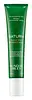
This wash off mask is formulated around Sulfur to clear breakouts.
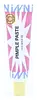
This acne treatment is formulated around Kaolin and Salix Alba Bark Extract to clear breakouts and balance excess oil.

What's inside
What's inside
 Key Ingredients
Benefits
Concerns
Ingredients Side-by-side
Water
Skin ConditioningSulfur
Antiseborrhoeic



Isoamyl Laurate
Emollient

Cetyl Ethylhexanoate
EmollientNiacinamide
Smoothing










Acacia Senegal Gum
MaskingBentonite
Absorbent
Hydroxyethyl Acrylate/Sodium Acryloyldimethyl Taurate Copolymer
Emulsion StabilisingPolyglyceryl-2 Caprate
EmulsifyingOlive Oil Glycereth-8 Esters
Emollient
Zinc PCA
Humectant
Allantoin
Skin Conditioning
Dipotassium Glycyrrhizate
Humectant
Melaleuca Alternifolia Leaf Oil
Antioxidant



Leptospermum Scoparium Branch/Leaf Oil
Tonic
Curcuma Longa Root Extract
Antioxidant
Corallina Officinalis Extract
Skin Conditioning
Melia Azadirachta Leaf Extract
Skin ConditioningAmber Powder
Melia Azadirachta Flower Extract
Skin ConditioningCoccinia Indica Fruit Extract
Skin Conditioning
Solanum Lycopersicum Leaf Extract
Skin ConditioningOcimum Basilicum Flower/Leaf Extract
TonicQuartz
Abrasive
Polysorbate 60
Emulsifying
Sorbitan Isostearate
Emulsifying
Tocopherol
Antioxidant
Disodium EDTA
ChelatingPhenoxyethanol
Preservative
Polysorbate 20
Emulsifying
Alcohol Denat.
Antimicrobial
Chlorphenesin
Antimicrobial
PEG-40 Hydrogenated Castor Oil
Emulsifying
Caprylyl Glycol
Emollient
Water, Sulfur, Isoamyl Laurate, Cetyl Ethylhexanoate, Niacinamide, Acacia Senegal Gum, Bentonite, Hydroxyethyl Acrylate/Sodium Acryloyldimethyl Taurate Copolymer, Polyglyceryl-2 Caprate, Olive Oil Glycereth-8 Esters, Zinc PCA, Allantoin, Dipotassium Glycyrrhizate, Melaleuca Alternifolia Leaf Oil, Leptospermum Scoparium Branch/Leaf Oil, Curcuma Longa Root Extract, Corallina Officinalis Extract, Melia Azadirachta Leaf Extract, Amber Powder, Melia Azadirachta Flower Extract, Coccinia Indica Fruit Extract, Solanum Lycopersicum Leaf Extract, Ocimum Basilicum Flower/Leaf Extract, Quartz, Polysorbate 60, Sorbitan Isostearate, Tocopherol, Disodium EDTA, Phenoxyethanol, Polysorbate 20, Alcohol Denat., Chlorphenesin, PEG-40 Hydrogenated Castor Oil, Caprylyl Glycol
Water
Skin ConditioningKaolin
Abrasive
Bentonite
Absorbent
Propanediol
Solvent
Salix Alba Bark Extract
Astringent
Sulfur
Antiseborrhoeic
Magnesium Aluminum Silicate
Absorbent
1,2-Hexanediol
Skin Conditioning
Ascorbyl Glucoside
Antioxidant
Silica
Abrasive
Thymus Vulgaris Flower/Leaf Oil
Masking
Origanum Vulgare Leaf Oil
Masking
Melaleuca Alternifolia Leaf Oil
Antioxidant
Potassium Azeloyl Diglycinate
Skin Conditioning
Magnesium Sulfate
Zinc Sulfate
Antimicrobial
Aloe Barbadensis Leaf Juice
Skin Conditioning
Cinnamomum Camphora Bark Oil
Masking
Citrullus Lanatus Fruit Extract
Skin Conditioning
Genipa Americana Extract
Skin ConditioningArginine
Masking
Acacia Senegal Gum
MaskingCitric Acid
Buffering
Cellulose Gum
Emulsion StabilisingAlgin
MaskingXanthan Gum
EmulsifyingMaltodextrin
Absorbent
Sodium Citrate
BufferingSodium Phytate
ChelatingPolyacrylate Crosspolymer-6
Emulsion StabilisingAluminum Hydroxide
EmollientHydroxyacetophenone
Antioxidant
CI 77891
Cosmetic ColorantWater, Kaolin, Bentonite, Propanediol, Salix Alba Bark Extract, Sulfur, Magnesium Aluminum Silicate, 1,2-Hexanediol, Ascorbyl Glucoside, Silica, Thymus Vulgaris Flower/Leaf Oil, Origanum Vulgare Leaf Oil, Melaleuca Alternifolia Leaf Oil, Potassium Azeloyl Diglycinate, Magnesium Sulfate, Zinc Sulfate, Aloe Barbadensis Leaf Juice, Cinnamomum Camphora Bark Oil, Citrullus Lanatus Fruit Extract, Genipa Americana Extract, Arginine, Acacia Senegal Gum, Citric Acid, Cellulose Gum, Algin, Xanthan Gum, Maltodextrin, Sodium Citrate, Sodium Phytate, Polyacrylate Crosspolymer-6, Aluminum Hydroxide, Hydroxyacetophenone, CI 77891
Reviews
Alternatives
Ingredients Explained
These ingredients are found in both products.
Ingredients higher up in an ingredient list are typically present in a larger amount.
Acacia Senegal Gum has skin soothing, thickening, and formulation stabilizing properties. It comes from the Acacia tree that is native to sub-Saharan Africa.
Bentonite is an aluminium phyllosilicate clay with great absorbent properties. The name 'bentonite' comes from the area where the largest source is found: Fort Benton, Wyoming.
As a clay, bentonite is often used to absorb excess oil and provide exfoliation. It has also been shown to have some antibacterial and anti-inflammatory properties. Studies show bentonite was effective at calming dermatitis from poison ivy and in diaper dermatitis of infants. Bentonite has also been shown to act as a barrier against toxic compounds on your skin.
Sunscreens containing bentonite display higher water resistance and stay on the skin for much longer. The sunscreens containing bentonite also show higher potency and UV light absorbtion.
Bentonite is naturally created from volcanic ash and several natural weathering/hydrothermal processes.
A common usage of bentonite is removing excess protein from white wines. Bentonite contains a property of being able to absorb large amounts of protein from aqueous solutions.
Phyllosilicate clay has a structure formed by sheets.
Learn more about BentoniteThis ingredient is also known as tea tree oil. It has antioxidant, anti-inflammatory, and antimicrobial properties.
Tea tree oil is a complex lipophilic (fat-loving) oil that contains around 100 compounds with terpinen-4-ol being the most abundant (~40%).
Terpinen-4-ol is responsible for tea tree oil's broad-spectrum antimicrobial activity and makes it a well-researched option for acne.
Clinical studies support 5% tea tree oil as an effective topical treatment for mild to moderate acne. A study with 124 patients compared 5% tea tree oil gel to 5% benzoyl peroxide and both reduced acne (though tea tree oil worked more slowly).
Besides acne, it is also seen in anti-dandruff shampoos and scalp treatments for it's antimicrobial and anti-seborrheic properties.
Safety-wise, the allergic potential of low concentrations on healthy skin is considered low. However, oxidized (old or improperly stored) tea tree oil is a stronger sensitizer.
Irritation can also occur if using the undiluted oil on skin; it's best to use this ingredient as part of a carefully crafted cosmetic formula. This is because regulations require tea tree oil in cosmetics to be stabilized to prevent degradation.
This ingredient has been deemed safe up to 2% in shampoo, 1% in cleansers, and 0.1% in face cream by the EU's Scientific Committee on Consumer Safety (SCCS).
There is some lab evidence that tea tree oil is antifungal against Malassezia, but it is a supportive option at best and not a replacement for proven antifungal treatments.
Learn more about Melaleuca Alternifolia Leaf OilSulfur is a commonly occurring element on Earth (and our universe!). In cosmetics, it helps kill bacteria, reduces sebum, and provides exfoliation. This makes it an effective ingredient to reduce breakouts and fight acne.
As a ketayolytic agent, it breaks down the top layer of skin. This is a form of exfoliation and may help decrease acne and hyperpigmentation.
Studies show sulfur has antibacterial and antifungal properties. Sulfur can be drying if used excessively or at higher concentrations. We recommend speaking with a medical professional if you have any concerns.
Ancient Greece, India, China, and Egypt have used sulfur in both traditional medicines and for household use.
Learn more about SulfurWater. It's the most common cosmetic ingredient of all. You'll usually see it at the top of ingredient lists, meaning that it makes up the largest part of the product.
So why is it so popular? Water most often acts as a solvent - this means that it helps dissolve other ingredients into the formulation.
You'll also recognize water as that liquid we all need to stay alive. If you see this, drink a glass of water. Remember to stay hydrated!
Learn more about Water

