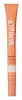
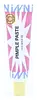
Bubble Fade Away Acne Spot Treatment Versus iNNBEAUTY PROJECT Pimple Paste Overnight Blemish Drying Paste
This acne treatment is formulated around Benzoyl Peroxide and Niacinamide to clear breakouts and balance excess oil.
This acne treatment is formulated around Kaolin and Salix Alba Bark Extract to clear breakouts and balance excess oil.

What's inside
What's inside
 Key Ingredients
Benefits
Concerns
Ingredients Side-by-side
Benzoyl Peroxide 5%






Water
Skin ConditioningGlycerin
Humectant


Propanediol
Solvent
Carbomer
Emulsion StabilisingGlycyrrhiza Glabra Root Extract
Bleaching



Niacinamide
Smoothing




Allantoin
Skin Conditioning
Zinc PCA
Humectant
Laureth-4
Emulsifying
Xanthan Gum
EmulsifyingAloe Barbadensis Leaf Juice
Skin Conditioning
Diethylhexyl Sodium Sulfosuccinate
CleansingSambucus Nigra Fruit Juice
AstringentSpiraea Ulmaria Flower Extract
Skin ConditioningSodium Hydroxide
BufferingSodium Citrate
BufferingSodium Phytate
ChelatingPotassium Sorbate
Preservative
Citric Acid
Buffering
Sodium Benzoate
Masking
Sodium Sulfite
Preservative
Benzoyl Peroxide 5%, Water, Glycerin, Propanediol, Carbomer, Glycyrrhiza Glabra Root Extract, Niacinamide, Allantoin, Zinc PCA, Laureth-4, Xanthan Gum, Aloe Barbadensis Leaf Juice, Diethylhexyl Sodium Sulfosuccinate, Sambucus Nigra Fruit Juice, Spiraea Ulmaria Flower Extract, Sodium Hydroxide, Sodium Citrate, Sodium Phytate, Potassium Sorbate, Citric Acid, Sodium Benzoate, Sodium Sulfite
Water
Skin ConditioningKaolin
Abrasive
Bentonite
Absorbent
Propanediol
Solvent
Salix Alba Bark Extract
Astringent
Sulfur
Antiseborrhoeic
Magnesium Aluminum Silicate
Absorbent
1,2-Hexanediol
Skin Conditioning
Ascorbyl Glucoside
Antioxidant

Silica
Abrasive
Thymus Vulgaris Flower/Leaf Oil
Masking
Origanum Vulgare Leaf Oil
Masking
Melaleuca Alternifolia Leaf Oil
Antioxidant

Potassium Azeloyl Diglycinate
Skin Conditioning
Magnesium Sulfate
Zinc Sulfate
Antimicrobial
Aloe Barbadensis Leaf Juice
Skin Conditioning
Cinnamomum Camphora Bark Oil
Masking
Citrullus Lanatus Fruit Extract
Skin Conditioning
Genipa Americana Extract
Skin ConditioningArginine
Masking
Acacia Senegal Gum
MaskingCitric Acid
Buffering
Cellulose Gum
Emulsion StabilisingAlgin
MaskingXanthan Gum
EmulsifyingMaltodextrin
Absorbent
Sodium Citrate
BufferingSodium Phytate
ChelatingPolyacrylate Crosspolymer-6
Emulsion StabilisingAluminum Hydroxide
EmollientHydroxyacetophenone
Antioxidant
CI 77891
Cosmetic ColorantWater, Kaolin, Bentonite, Propanediol, Salix Alba Bark Extract, Sulfur, Magnesium Aluminum Silicate, 1,2-Hexanediol, Ascorbyl Glucoside, Silica, Thymus Vulgaris Flower/Leaf Oil, Origanum Vulgare Leaf Oil, Melaleuca Alternifolia Leaf Oil, Potassium Azeloyl Diglycinate, Magnesium Sulfate, Zinc Sulfate, Aloe Barbadensis Leaf Juice, Cinnamomum Camphora Bark Oil, Citrullus Lanatus Fruit Extract, Genipa Americana Extract, Arginine, Acacia Senegal Gum, Citric Acid, Cellulose Gum, Algin, Xanthan Gum, Maltodextrin, Sodium Citrate, Sodium Phytate, Polyacrylate Crosspolymer-6, Aluminum Hydroxide, Hydroxyacetophenone, CI 77891
Reviews
Ingredients Explained
These ingredients are found in both products.
Ingredients higher up in an ingredient list are typically present in a larger amount.
Aloe Barbadensis Leaf Juice is the filtered, stabilized liquid pressed from the inner gel of the aloe vera leaf.
In cosmetics, it shows up as either soothing active or a water-replacement base. It is roughly 98-99% water and the last 1-2% is an interesting mix of polysaccharides, amino acids, vitamins, minerals, and enzymes.
The polysaccharides do most of the work: they bind water at the skin surface for a light, non-greasy hydration boost. And one of the polysaccharides, glycomannan, is linked to fibroblast stimulation + collagen synthesis. This is also why aloe has such a long track record in wound and burn healing.
This ingredient is also calming with anti-inflammatory and mild antimicrobial activity, making it a great pick for sensitive, irritated, or post-sun skin.
Realistic expectations matter though; the solid evidence is mostly limited to hydration, soothing, and wound support. Deeper claims about anti-aging or sun protection are not well backed, and science reviews note it does not prevent radiation-induced skin injury.
Because it plays well with almost everything, it's commonly used as a base alongside other actives like niacinamide or vitamin C.
Typical usage concentrations range from 0.5% (where hydration benefits already show up) all the way to 90%+ (where it replaces water as the main base).
The safety for this ingredient is well-establish as well. Overall, this is a great supporting ingredient for those who want a boost in hydration.
Learn more about Aloe Barbadensis Leaf JuiceCitric Acid is an alpha hydroxy acid (AHA) naturally found in citrus fruits like oranges, lemons, and limes.
Like other AHAs, citric acid can exfoliate skin by breaking down the bonds that hold dead skin cells together. This helps reveal smoother and brighter skin underneath.
However, this exfoliating effect only happens at high concentrations (20%) which can be hard to find in cosmetic products.
Due to this, citric acid is usually included in small amounts as a pH adjuster. This helps keep products slightly more acidic and compatible with skin's natural pH.
In skincare formulas, citric acid can:
While it can provide some skin benefits, research shows lactic acid and glycolic acid are generally more effective and less irritating exfoliants.
Most citric acid used in skincare today is made by fermenting sugars (usually from molasses). This synthetic version is identical to the natural citrus form but easier to stabilize and use in formulations.
Rosacea skin has a lower threshold for acids generally, with 62.5% of rosacea subjects in one study reacting to lactic acid in a sting test. This is why we mark citric acid as a potential rosacea trigger.
However, this ingredient shows up as a pH adjuster or chelator at roughly 0.1-1% in many products. These low levels are unlikely to be an issue for rosacea skin and becomes a potential trigger at exfoliating concentrations (20%). Because everybody's skin is unique, we recommend a patch test if you are unsure.
Learn more about Citric AcidPropanediol is an all-star ingredient. It softens, hydrates, and smooths the skin.
It’s often used to:
Propanediol is not likely to cause sensitivity and considered safe to use. It is derived from corn or petroleum with a clear color and no scent.
Learn more about PropanediolSodium Citrate is the sodium salts of citric acid. In skincare, it is used to alter pH levels and acts as a preservative.
Its main functions are to maintain the pH of a product and neutralize metal ions.
The acidity of our skin is maintained by our glands and skin biome; normal pH level of skin is slightly acidic (~4.75-5.5).
Being slightly acidic allows our skin to create an "acid mantle". This acid mantle is a thin barrier that protects our skin from bacteria and contaminants.
Learn more about Sodium CitrateSodium Phytate is the sodium salt of Phytic acid, a compound that plants store phosphorus in. It's the plant-derived alternative to ingredients like Disodium EDTA.
In skincare, this ingredient is a chelator that grabs onto trace metal ions like iron and copper that sneak into formulas through water/raw materials.
Those metals speed up oxidation so binding them keeps oils, fragrance, and actives from going off, stops color changes, and helps the preservative system work harder.
Survey data shows usage levels range from 0.0099%-0.5% in leave-on products, 0.025%-0.3% in rinse-off, and up to 0.05% in eye-area products. Suppliers typically recommend a range between 0.05-0.5%.
Learn more about Sodium PhytateWater. It's the most common cosmetic ingredient of all. You'll usually see it at the top of ingredient lists, meaning that it makes up the largest part of the product.
So why is it so popular? Water most often acts as a solvent - this means that it helps dissolve other ingredients into the formulation.
You'll also recognize water as that liquid we all need to stay alive. If you see this, drink a glass of water. Remember to stay hydrated!
Learn more about WaterXanthan gum is used as a stabilizer and thickener within cosmetic products. It helps give products a sticky, thick feeling - preventing them from being too runny.
On the technical side of things, xanthan gum is a polysaccharide - a combination consisting of multiple sugar molecules bonded together.
Xanthan gum is a pretty common and great ingredient. It is a natural, non-toxic, non-irritating ingredient that is also commonly used in food products.
Learn more about Xanthan Gum

