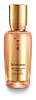
This anti-aging serum is formulated around Niacinamide and Panax Ginseng Root Extract to soften the look of wrinkles and hydrate skin.
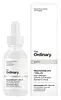
This oil-control serum is formulated around Niacinamide and Zinc PCA to balance excess oil and refine the look of pores.


What's inside
What's inside
 Key Ingredients
Benefits
Concerns
No concerns
Ingredients Side-by-side
Water
Skin ConditioningButylene Glycol
Humectant

Glycerin
Humectant
Cetyl Ethylhexanoate
EmollientMethyl Gluceth-20
Humectant
Behenyl Alcohol
Emollient
Betaine
Humectant
1,2-Hexanediol
Skin Conditioning
Niacinamide
Smoothing








Methoxy PEG-114/Polyepsilon Caprolactone
BufferingCarbomer
Emulsion StabilisingTromethamine
BufferingPhenyl Trimethicone
Skin Conditioning
Caprylyl Methicone
Skin Conditioning
Jojoba Esters
Emollient

Parfum
Masking



Hydrolyzed Ginseng Saponins
Skin ConditioningGlyceryl Caprylate
EmollientPhenoxyethanol
Preservative
Arachidyl Alcohol
Emollient
Ethylhexylglycerin
Skin ConditioningDisodium EDTA
ChelatingDextrin
AbsorbentTheobroma Cacao Extract
Skin ConditioningArachidyl Glucoside
EmulsifyingLinalool
Perfuming
Panax Ginseng Seed Oil
Emollient
Glycine Soja Oil
Emollient

Panax Ginseng Root Extract
Emollient
Sodium Chloride
MaskingPanax Ginseng Leaf/Stem Extract
Skin ConditioningLimonene
Perfuming
Honey
Humectant
Rehmannia Glutinosa Root Extract
Skin ConditioningPanax Ginseng Flower Extract
Antioxidant
Paeonia Lactiflora Root Extract
Skin ConditioningLilium Candidum Bulb Extract
Skin ConditioningPolygonatum Odoratum Rhizome Extract
Skin ConditioningRetinol
Skin Conditioning
Nelumbo Nucifera Flower Extract
Skin ConditioningHydrogenated Lecithin
Emulsifying
Alcohol
Antimicrobial

Glucose
Humectant
Tocopherol
Antioxidant
Caprylyl Glycol
Emollient
BHT
Antioxidant
Pentaerythrityl Tetra-Di-T-Butyl Hydroxyhydrocinnamate
Antioxidant
Phytosphingosine
Skin Conditioning
Sodium Polyaspartate
HumectantSodium Hyaluronate
Humectant
Acetyl Heptapeptide-4
Humectant
Sodium Methyl Stearoyl Taurate
CleansingAcetyl Hexapeptide-8
Humectant
Sodium Hydroxide
BufferingAcetyl Octapeptide-3
Humectant
Water, Butylene Glycol, Glycerin, Cetyl Ethylhexanoate, Methyl Gluceth-20, Behenyl Alcohol, Betaine, 1,2-Hexanediol, Niacinamide, Methoxy PEG-114/Polyepsilon Caprolactone, Carbomer, Tromethamine, Phenyl Trimethicone, Caprylyl Methicone, Jojoba Esters, Parfum, Hydrolyzed Ginseng Saponins, Glyceryl Caprylate, Phenoxyethanol, Arachidyl Alcohol, Ethylhexylglycerin, Disodium EDTA, Dextrin, Theobroma Cacao Extract, Arachidyl Glucoside, Linalool, Panax Ginseng Seed Oil, Glycine Soja Oil, Panax Ginseng Root Extract, Sodium Chloride, Panax Ginseng Leaf/Stem Extract, Limonene, Honey, Rehmannia Glutinosa Root Extract, Panax Ginseng Flower Extract, Paeonia Lactiflora Root Extract, Lilium Candidum Bulb Extract, Polygonatum Odoratum Rhizome Extract, Retinol, Nelumbo Nucifera Flower Extract, Hydrogenated Lecithin, Alcohol, Glucose, Tocopherol, Caprylyl Glycol, BHT, Pentaerythrityl Tetra-Di-T-Butyl Hydroxyhydrocinnamate, Phytosphingosine, Sodium Polyaspartate, Sodium Hyaluronate, Acetyl Heptapeptide-4, Sodium Methyl Stearoyl Taurate, Acetyl Hexapeptide-8, Sodium Hydroxide, Acetyl Octapeptide-3

Reviews
Ingredients Explained
These ingredients are found in both products.
Ingredients higher up in an ingredient list are typically present in a larger amount.
Niacinamide is a multitasking form of vitamin B3 that strengthens the skin barrier, reduces pores and dark spots, regulates oil, and improves signs of aging.
And the best part? It's gentle and well-tolerated by most skin types, including sensitive and reactive skin.
You might have heard of "niacin flush", or the reddening of skin that causes itchiness. Niacinamide has not been found to cause this.
In very rare cases, some individuals may not be able to tolerate niacinamide at all or experience an allergic reaction to it.
If you are experiencing flaking, irritation, and dryness with this ingredient, be sure to double check all your products as this ingredient can be found in all categories of skincare.
When incorporating niacinamide into your routine, look out for concentration amounts. Typically, 5% niacinamide provides benefits such as fading dark spots. However, if you have sensitive skin, it is better to begin with a smaller concentration.
When you apply niacinamide to your skin, your body converts it into nicotinamide adenine dinucleotide (NAD). NAD is an essential coenzyme that is already found in your cells as "fuel" and powers countless biological processes.
In your skin, NAD helps repair cell damage, produce new healthy cells, support collagen production, strengthen the skin barrier, and fight environmental stressors (like UV and pollution).
Our natural NAD levels start to decline with age, leading to slower skin repair, visible aging, and a weaker skin barrier. By providing your skin niacinamide, you're recharging your skin's NAD levels. This leads to stronger, healthier, and younger looking skin.
Another name for vitamin B3 is nicotinamide. This vitamin is water-soluble and our bodies don't store it. We obtain Vitamin B3 from either food or skincare. Meat, fish, wheat, yeast, and leafy greens contain vitamin B3.
The type of niacinamide used in skincare is synthetically created.
Learn more about NiacinamidePhenoxyethanol is one of the most widely used preservatives in skincare (and for good reason!).
It has a large spectrum of antimicrobial activity and especially effective bacteria, yeast, and mold while only having a weak effect on your skin's natural microbiome.
On a cellular level, it disrupts the cell membranes of microbes by poking holes that make the cell leak. This shuts down the chemical reactions the microbe needs to make energy so it can no longer survive.
Another perk of this ingredient is that it stays functional across a wide pH range (3-10).
You'll often see it paired with boosters like Ethylhexylglycerin; one study showed that a 1:9 ratio of Ethylhexylglycerin to Phenoxyethanol damages bacterial membranes as effectively as doubling the Phenoxyethanol concentration on its own.
Typical use concentrations range from 0.3-1% depending on the formula, and this ingredient is capped at 1% int the EU.
Safety-wise, the fear mongering does not hold up to the evidence. The EU's Scientific Committee on Consumer Safety and FDA consider it safe as a preservative at up to 1%, including for children of all ages.
Adverse systemic effects only showed up in animal studies at exposures roughly 200x higher than what people get from cosmetics. And despite its very widespread use, this ingredient is a rare sensitizer and allergic reactions are uncommon.
Learn more about PhenoxyethanolWater. It's the most common cosmetic ingredient of all. You'll usually see it at the top of ingredient lists, meaning that it makes up the largest part of the product.
So why is it so popular? Water most often acts as a solvent - this means that it helps dissolve other ingredients into the formulation.
You'll also recognize water as that liquid we all need to stay alive. If you see this, drink a glass of water. Remember to stay hydrated!
Learn more about Water

