Sulwhasoo Concentrated Ginseng Renewing Eye Cream Versus Minimalist Ceramide & Vitamin B5 Delicate Cleanser
This eye moisturizer is formulated around Panax Ginseng Root Extract to hydrate skin.
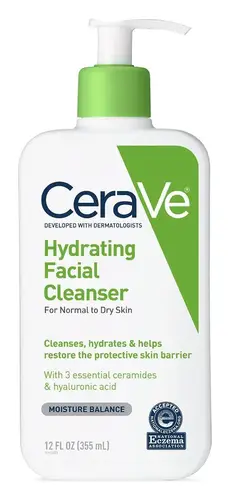
This mild gel cleanser is made to cleanse while respecting your skin barrier.


What's inside
What's inside
 Key Ingredients
Benefits
Concerns
No concerns
Ingredients Side-by-side
Water
Skin ConditioningButylene Glycol
Humectant

Squalane
Emollient
Glycerin
Humectant
Propanediol
Solvent
Behenyl Alcohol
Emollient
Diisostearyl Malate
EmollientDimethicone
Emollient
Polyglyceryl-3 Methylglucose Distearate
Emulsifying

Hydrogenated Castor Oil Isostearate
Skin Conditioning
Phytosteryl Isostearyl Dimer Dilinoleate
EmollientButyrospermum Parkii Butter
Skin Conditioning


Phytosteryl/Behenyl/Octyldodecyl Lauroyl Glutamate
Skin ConditioningStearic Acid
Cleansing
Glyceryl Stearate
Emollient
PEG-100 Stearate
Surfactant
1,2-Hexanediol
Skin Conditioning
Methoxy PEG-114/Polyepsilon Caprolactone
BufferingPolyacrylate-13
Phenoxyethanol
Preservative
Panax Ginseng Root Extract
Emollient

Polyisobutene
Hydrolyzed Ginseng Saponins
Skin ConditioningCaffeine
Skin Conditioning
Honey
Humectant
Alcohol
Antimicrobial


Parfum
Masking

Nelumbo Nucifera Flower Extract
Skin ConditioningPolygonatum Officinale Rhizome/Root Extract
Skin ConditioningRehmannia Glutinosa Root Extract
Skin ConditioningPaeonia Albiflora Root Extract
Skin ConditioningLilium Candidum Bulb Extract
Skin ConditioningEthylhexylglycerin
Skin ConditioningPolysorbate 20
Emulsifying
Sorbitan Isostearate
Emulsifying
Disodium EDTA
ChelatingSodium Polyacrylate
Absorbent
Theobroma Cacao Extract
Skin ConditioningDextrin
AbsorbentGlycyrrhiza Uralensis Root Extract
Skin Conditioning
Alpha-Isomethyl Ionone
Perfuming
Limonene
Perfuming
Hydrogenated Lecithin
Emulsifying
Linalool
Perfuming
Panax Ginseng Flower Extract
Antioxidant
Hydroxyisohexyl 3-Cyclohexene Carboxaldehyde
Masking
Hexyl Cinnamal
Perfuming
Phytosphingosine
Skin Conditioning
Sodium Polyaspartate
HumectantTocopherol
Antioxidant


Sodium Methyl Stearoyl Taurate
CleansingWater, Butylene Glycol, Squalane, Glycerin, Propanediol, Behenyl Alcohol, Diisostearyl Malate, Dimethicone, Polyglyceryl-3 Methylglucose Distearate, Hydrogenated Castor Oil Isostearate, Phytosteryl Isostearyl Dimer Dilinoleate, Butyrospermum Parkii Butter, Phytosteryl/Behenyl/Octyldodecyl Lauroyl Glutamate, Stearic Acid, Glyceryl Stearate, PEG-100 Stearate, 1,2-Hexanediol, Methoxy PEG-114/Polyepsilon Caprolactone, Polyacrylate-13, Phenoxyethanol, Panax Ginseng Root Extract, Polyisobutene, Hydrolyzed Ginseng Saponins, Caffeine, Honey, Alcohol, Parfum, Nelumbo Nucifera Flower Extract, Polygonatum Officinale Rhizome/Root Extract, Rehmannia Glutinosa Root Extract, Paeonia Albiflora Root Extract, Lilium Candidum Bulb Extract, Ethylhexylglycerin, Polysorbate 20, Sorbitan Isostearate, Disodium EDTA, Sodium Polyacrylate, Theobroma Cacao Extract, Dextrin, Glycyrrhiza Uralensis Root Extract, Alpha-Isomethyl Ionone, Limonene, Hydrogenated Lecithin, Linalool, Panax Ginseng Flower Extract, Hydroxyisohexyl 3-Cyclohexene Carboxaldehyde, Hexyl Cinnamal, Phytosphingosine, Sodium Polyaspartate, Tocopherol, Sodium Methyl Stearoyl Taurate


Reviews
Ingredients Explained
These ingredients are found in both products.
Ingredients higher up in an ingredient list are typically present in a larger amount.
Ethylhexylglycerin is created from glycerin. It is a multitasker ingredient that:
The CIR Expert Panel found minimal skin absorption or sensitization of any kind in a safety assessment. Though this ingredient is considered well-tolerated, a small number of cases of allergic dermatitis have been published since 2002. Just be sure to patch test if you are unsure.
Industry-reported use ranges from 8% in rinse-off products and 2% in leave-on formulations.
Learn more about EthylhexylglycerinSqualane is the hydrogenated and shelf-stable form of squalene (a lipid that naturally occurs in human sebum).
It is an emollient and skin conditioning agent that is able to integrate seamlessly into the skin's lipid barrier without clogging pores.
This is due to how structurally similar it is to what your skin already produces.
Though it is mostly an emollient that helps soften and hydrate skin, it also has some humectant and occlusive action. Humectants help the skin retain moisture while occlusives seal it in, making squalane a triple-threat moisturizer.
Research shows it has antioxidant capabilities that help protect against stressors like UV exposure, specifically UVA induced oxidative stress. This study also found that it supports collagen biosynthesis in human dermal fibroblasts.
No clinical study has reported significant adverse effects and irritation reactions are very rare from this ingredient (even at 100% concentration).
Overall, it's a fantastic ingredient for hydration and is suitable for all skin types.
This depends on the source. Squalane can be derived from both plants and animals. Most squalane used in skincare comes from plants.
Please note: the source of squalane is only known if disclosed by the brand. We recommend reaching out to the brand if you have any questions about their squalane.
Read more about squalene with an "e".
Though squalane is often called an oil, it’s technically not one. It is a hydrocarbon, meaning it is only made of carbon and hydrogen. True oils are triglycerides and made of fatty acids and glycerol.
The term “oil-free” isn’t regulated so companies can define it however they want. Some exclude all oils, while others just avoid mineral oil or comedogenic oils.
Squalane has a comedogenic rating of 1 from the original 1972 study that tested raw ingredients under occlusion on rabbit ears. This system is not standardized or peer-reviewed, and using the raw ingredients is very different from how diluted cosmetic formulations are used on human skin.
A comedogenic rating of 1 means it is "unlikely to clog pores" according to the original rating system.
The overall formula of a product matters more than the individual ingredients on whether or not it will cause clogged pores.
Learn more about SqualaneWater. It's the most common cosmetic ingredient of all. You'll usually see it at the top of ingredient lists, meaning that it makes up the largest part of the product.
So why is it so popular? Water most often acts as a solvent - this means that it helps dissolve other ingredients into the formulation.
You'll also recognize water as that liquid we all need to stay alive. If you see this, drink a glass of water. Remember to stay hydrated!
Learn more about Water