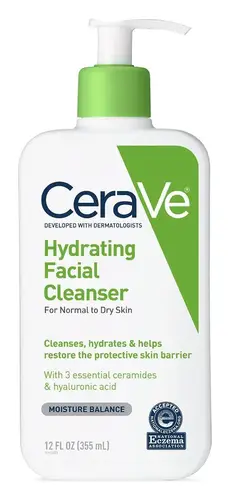
This mild gel cleanser is made to cleanse while respecting your skin barrier.
This mild gel cleanser is made to cleanse while calming and soothing your skin.


What's inside
What's inside
 Key Ingredients
Benefits
Concerns
No concerns
Ingredients Side-by-side

Water
Skin ConditioningSodium PEG-7 Olive Oil Carboxylate
Emulsifying
Glycerin
Humectant


Sodium Lauroyl Methyl Isethionate
CleansingDecyl Glucoside
Cleansing
Centella Asiatica Extract
Cleansing



Calendula Officinalis Flower Extract
Masking
Cocamidopropyl Betaine
Cleansing


Sodium Methyl Oleoyl Taurate
CleansingSqualane
Emollient
Opuntia Ficus-Indica Stem Extract
Skin Conditioning
Lauryl Glucoside
CleansingCoco-Glucoside
Cleansing
Urea
Buffering
Saccharide Isomerate
Humectant
Cynanchum Atratum Extract
Skin ConditioningChamomilla Recutita Flower Extract
Masking
Phenoxyethanol
Preservative
Vaccinium Uliginosum Berry Extract
Skin ConditioningGanoderma Lucidum Extract
Skin Protecting
Citric Acid
Buffering

Prunus Persica Kernel Oil
Emollient
Sodium Hyaluronate
Humectant
Idebenonyl Retinoate
Antioxidant
Hydrolyzed Royal Jelly Protein
Skin ConditioningCeramide NP
Skin Conditioning
Ethylhexylglycerin
Skin ConditioningHydrogenated Lecithin
Emulsifying
Sodium Benzoate
Masking
Sucrose Stearate
EmollientPolyglyceryl-10 Stearate
Skin Conditioning
Potassium Sorbate
Preservative
Water, Sodium PEG-7 Olive Oil Carboxylate, Glycerin, Sodium Lauroyl Methyl Isethionate, Decyl Glucoside, Centella Asiatica Extract, Calendula Officinalis Flower Extract, Cocamidopropyl Betaine, Sodium Methyl Oleoyl Taurate, Squalane, Opuntia Ficus-Indica Stem Extract, Lauryl Glucoside, Coco-Glucoside, Urea, Saccharide Isomerate, Cynanchum Atratum Extract, Chamomilla Recutita Flower Extract, Phenoxyethanol, Vaccinium Uliginosum Berry Extract, Ganoderma Lucidum Extract, Citric Acid, Prunus Persica Kernel Oil, Sodium Hyaluronate, Idebenonyl Retinoate, Hydrolyzed Royal Jelly Protein, Ceramide NP, Ethylhexylglycerin, Hydrogenated Lecithin, Sodium Benzoate, Sucrose Stearate, Polyglyceryl-10 Stearate, Potassium Sorbate
Reviews
Ingredients Explained
These ingredients are found in both products.
Ingredients higher up in an ingredient list are typically present in a larger amount.
Ceramide NP (formerly known as Ceramide 3) is one of the skin's naturally occurring lipids.
Since ceramides are the major lipid components of the skin, they are crucial for maintaining skin barrier and hydration. Ceramide NP most closely mirrors the dominant kind in human skin amongst ceramide subtypes.
This ceramide works by slotting into gaps within the stratum corneum's lipid matrix to limit trans-epidermal water loss (TEWL) and shield the skin against external irritants.
A study with 312 patients found that using a ceramide-containing routine for 4 weeks reduced the severity of atopic dermatitis by over 61%.
Another clinical study in subjects aged 60 and older found that a ceramide body wash and moisturizer improved skin dryness and itchy skin in 15 days.
Overall, ceramides are considered non-irritating and safety tests have found little to no observable adverse effects from using this ingredient.
Ceramide NP is usually sourced from plants (like soybean or rice bran), or produced synthetically.
Learn more about Ceramide NPCitric Acid is an alpha hydroxy acid (AHA) naturally found in citrus fruits like oranges, lemons, and limes.
Like other AHAs, citric acid can exfoliate skin by breaking down the bonds that hold dead skin cells together. This helps reveal smoother and brighter skin underneath.
However, this exfoliating effect only happens at high concentrations (20%) which can be hard to find in cosmetic products.
Due to this, citric acid is usually included in small amounts as a pH adjuster. This helps keep products slightly more acidic and compatible with skin's natural pH.
In skincare formulas, citric acid can:
While it can provide some skin benefits, research shows lactic acid and glycolic acid are generally more effective and less irritating exfoliants.
Most citric acid used in skincare today is made by fermenting sugars (usually from molasses). This synthetic version is identical to the natural citrus form but easier to stabilize and use in formulations.
Rosacea skin has a lower threshold for acids generally, with 62.5% of rosacea subjects in one study reacting to lactic acid in a sting test. This is why we mark citric acid as a potential rosacea trigger.
However, this ingredient shows up as a pH adjuster or chelator at roughly 0.1-1% in many products. These low levels are unlikely to be an issue for rosacea skin and becomes a potential trigger at exfoliating concentrations (20%). Because everybody's skin is unique, we recommend a patch test if you are unsure.
Learn more about Citric AcidEthylhexylglycerin is created from glycerin. It is a multitasker ingredient that:
The CIR Expert Panel found minimal skin absorption or sensitization of any kind in a safety assessment. Though this ingredient is considered well-tolerated, a small number of cases of allergic dermatitis have been published since 2002. Just be sure to patch test if you are unsure.
Industry-reported use ranges from 8% in rinse-off products and 2% in leave-on formulations.
Learn more about EthylhexylglycerinLauryl Glucoside sugar- and lipid-based cleansing agent. It is created from glucose and lauryl alcohol.
This ingredient is a surfactant, making it easier to rinse oil, dirt, and other pollutants away.
A British study found lauryl glucoside to cause skin sensitivity for some people. We recommend speaking with a professional if you have concerns.
Other names for this ingredient include "Lauryl Polyglucose", "Lauryl glycoside", and "D-Glucopyranoside".
Learn more about Lauryl GlucosideSqualane is the hydrogenated and shelf-stable form of squalene (a lipid that naturally occurs in human sebum).
It is an emollient and skin conditioning agent that is able to integrate seamlessly into the skin's lipid barrier without clogging pores.
This is due to how structurally similar it is to what your skin already produces.
Though it is mostly an emollient that helps soften and hydrate skin, it also has some humectant and occlusive action. Humectants help the skin retain moisture while occlusives seal it in, making squalane a triple-threat moisturizer.
Research shows it has antioxidant capabilities that help protect against stressors like UV exposure, specifically UVA induced oxidative stress. This study also found that it supports collagen biosynthesis in human dermal fibroblasts.
No clinical study has reported significant adverse effects and irritation reactions are very rare from this ingredient (even at 100% concentration).
Overall, it's a fantastic ingredient for hydration and is suitable for all skin types.
This depends on the source. Squalane can be derived from both plants and animals. Most squalane used in skincare comes from plants.
Please note: the source of squalane is only known if disclosed by the brand. We recommend reaching out to the brand if you have any questions about their squalane.
Read more about squalene with an "e".
Though squalane is often called an oil, it’s technically not one. It is a hydrocarbon, meaning it is only made of carbon and hydrogen. True oils are triglycerides and made of fatty acids and glycerol.
The term “oil-free” isn’t regulated so companies can define it however they want. Some exclude all oils, while others just avoid mineral oil or comedogenic oils.
Squalane has a comedogenic rating of 1 from the original 1972 study that tested raw ingredients under occlusion on rabbit ears. This system is not standardized or peer-reviewed, and using the raw ingredients is very different from how diluted cosmetic formulations are used on human skin.
A comedogenic rating of 1 means it is "unlikely to clog pores" according to the original rating system.
The overall formula of a product matters more than the individual ingredients on whether or not it will cause clogged pores.
Learn more about SqualaneWater. It's the most common cosmetic ingredient of all. You'll usually see it at the top of ingredient lists, meaning that it makes up the largest part of the product.
So why is it so popular? Water most often acts as a solvent - this means that it helps dissolve other ingredients into the formulation.
You'll also recognize water as that liquid we all need to stay alive. If you see this, drink a glass of water. Remember to stay hydrated!
Learn more about Water