This acne moisturizer is formulated around Niacinamide and Salicylic Acid to clear breakouts and refine skin texture.
This pore-care moisturizer is formulated around Capryloyl Salicylic Acid and Salicylic Acid to refine the look of pores and balance excess oil.


What's inside
What's inside
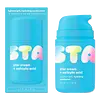 Key Ingredients
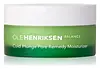
Benefits
Concerns
Ingredients Side-by-side
Water
Skin ConditioningDicaprylyl Carbonate
EmollientCaprylic/Capric Triglyceride
Masking


Propanediol
Solvent
Dimethyl Isosorbide
SolventOleyl Erucate
Emollient

Cetearyl Alcohol
Emollient



Dimethicone
Emollient

Coco-Glucoside
Cleansing
Niacinamide
Smoothing









Polyacrylate Crosspolymer-6
Emulsion StabilisingCetyl Palmitate
Emollient
Phenoxyethanol
Preservative
Salicylic Acid
Masking


Ethylhexylglycerin
Skin ConditioningTrisodium Ethylenediamine Disuccinate
ChelatingHyaluronic Acid
Humectant
T-Butyl Alcohol
Perfuming


Tocopherol
Antioxidant

Hydrogenated Palm Glycerides Citrate
Emollient
Water, Dicaprylyl Carbonate, Caprylic/Capric Triglyceride, Propanediol, Dimethyl Isosorbide, Oleyl Erucate, Cetearyl Alcohol, Dimethicone, Coco-Glucoside, Niacinamide, Polyacrylate Crosspolymer-6, Cetyl Palmitate, Phenoxyethanol, Salicylic Acid, Ethylhexylglycerin, Trisodium Ethylenediamine Disuccinate, Hyaluronic Acid, T-Butyl Alcohol, Tocopherol, Hydrogenated Palm Glycerides Citrate
Water
Skin ConditioningPropanediol
Solvent
Dicaprylyl Carbonate
EmollientGlycerin
Humectant
Isopentyldiol
Humectant
Cetearyl Olivate
Polysorbate 60
Emulsifying
Sorbitan Olivate
Emulsifying
Capryloyl Salicylic Acid
Exfoliating
Cetearyl Alcohol
Emollient
Dimethicone
Emollient
Pseudoalteromonas Ferment Extract
Humectant
Stearyl Alcohol
Emollient
Phenoxyethanol
Preservative
Acrylates/C10-30 Alkyl Acrylate Crosspolymer
Emulsion StabilisingSalicylic Acid
Masking
Sodium Polyacrylate Starch
AbsorbentMenthyl Lactate
Masking
Parfum
Masking
Epilobium Fleischeri Flower/Leaf/Stem Extract
Skin ConditioningDipotassium Glycyrrhizate
Humectant
Trifolium Pratense Flower Extract
AstringentSodium Phytate
ChelatingCitric Acid
Buffering
Ethylhexylglycerin
Skin ConditioningCamellia Sinensis Leaf Extract
Antimicrobial
Chondrus Crispus Extract
Skin Conditioning
Eucalyptus Globulus Leaf Extract
Perfuming
Macrocystis Pyrifera Extract
Skin Conditioning
Potassium Sorbate
Preservative
Sodium Salicylate
Preservative
Tocopherol
Antioxidant
CI 19140
Cosmetic ColorantCI 42090
Cosmetic ColorantLimonene
Perfuming
Water, Propanediol, Dicaprylyl Carbonate, Glycerin, Isopentyldiol, Cetearyl Olivate, Polysorbate 60, Sorbitan Olivate, Capryloyl Salicylic Acid, Cetearyl Alcohol, Dimethicone, Pseudoalteromonas Ferment Extract, Stearyl Alcohol, Phenoxyethanol, Acrylates/C10-30 Alkyl Acrylate Crosspolymer, Salicylic Acid, Sodium Polyacrylate Starch, Menthyl Lactate, Parfum, Epilobium Fleischeri Flower/Leaf/Stem Extract, Dipotassium Glycyrrhizate, Trifolium Pratense Flower Extract, Sodium Phytate, Citric Acid, Ethylhexylglycerin, Camellia Sinensis Leaf Extract, Chondrus Crispus Extract, Eucalyptus Globulus Leaf Extract, Macrocystis Pyrifera Extract, Potassium Sorbate, Sodium Salicylate, Tocopherol, CI 19140, CI 42090, Limonene
Ingredients Explained
These ingredients are found in both products.
Ingredients higher up in an ingredient list are typically present in a larger amount.
Cetearyl alcohol is a waxy mixture of two fatty alcohols: cetyl alcohol and stearyl alcohol. It is an emollient and emulsifier.
Despite having "alcohol" in its name, it has nothing to do with drying solvent alcohols; the FDA also allows "alcohol-free" products to contain fatty alcohols like this ingredient.
It plays several roles in a formula:
Typical use levels for this ingredient sit around 1-10% and the Cosmetic Ingredient Review Expert Panel has affirmed safety at concentrations up to 25% in leave-on products.
Multiple assessments have found it to be non-irritating and non-sensitizing to most people.
However, there have been some cases of allergic contact dermatitis in patients with chronically compromised skin barriers.
Cetearyl alcohol has a comedogenic rating of 2 and irritancy rating of 1. Both of these numbers come from the 1989 study that used rabbit ears; a "2" means mildly comedogenic and a "1" means low irritancy.
Here's the catch: rabbit skin is more sensitive than human skin and throws a lot of false positives. A 1996 reappraisal found that ingredients rated 1-2 in the rabbit ear tests are generally safe for humans.
Remember comedogenic ratings are unable to assess the entire formula of a product or how it will react on your skin. Just be sure to patch test if you are unsure about certain ingredients.
This ingredient is not fungal acne safe. Cetearyl alcohol is a fatty alcohol with chain lengths that fall within the range that Malassezia can metabolize.
A 2019 study has also observed Malassezia growth in the presence of this ingredient, confirming it to be not-fungal acne safe.
Learn more about Cetearyl AlcoholDicaprylyl Carbonate comes from carbonic acid and caprylyl alcohol, a fatty alcohol. It is an emollient and gives skin a velvet feel. The sources of Dicaprylyl Carbonate may be synthetic or from animals.
As an emollient, Dicaprylyl Carbonate creates a film on the skin. This film traps moisture in, keeping your skin soft and hydrated.
Dimethicone is a type of synthetic silicone created from natural materials such as quartz. It is also known as polydimethylsiloxane.
What it does:
Dimethicone comes in different viscosities:
Depending on the viscosity, dimethicone has different properties.
Ingredients lists don't always show which type is used, so we recommend reaching out to the brand if you have questions about the viscosity.
This ingredient is unlikely to cause irritation because it does not get absorbed into skin. However, people with silicone allergies should be careful about using this ingredient.
Note: Dimethicone may contribute to pilling. This is because it is not oil or water soluble, so pilling may occur when layered with products. When mixed with heavy oils in a formula, the outcome is also quite greasy.
Learn more about DimethiconeEthylhexylglycerin is created from glycerin. It is a multitasker ingredient that:
The CIR Expert Panel found minimal skin absorption or sensitization of any kind in a safety assessment. Though this ingredient is considered well-tolerated, a small number of cases of allergic dermatitis have been published since 2002. Just be sure to patch test if you are unsure.
Industry-reported use ranges from 8% in rinse-off products and 2% in leave-on formulations.
Learn more about EthylhexylglycerinPhenoxyethanol is one of the most widely used preservatives in skincare (and for good reason!).
It has a large spectrum of antimicrobial activity and especially effective bacteria, yeast, and mold while only having a weak effect on your skin's natural microbiome.
On a cellular level, it disrupts the cell membranes of microbes by poking holes that make the cell leak. This shuts down the chemical reactions the microbe needs to make energy so it can no longer survive.
Another perk of this ingredient is that it stays functional across a wide pH range (3-10).
You'll often see it paired with boosters like Ethylhexylglycerin; one study showed that a 1:9 ratio of Ethylhexylglycerin to Phenoxyethanol damages bacterial membranes as effectively as doubling the Phenoxyethanol concentration on its own.
Typical use concentrations range from 0.3-1% depending on the formula, and this ingredient is capped at 1% int the EU.
Safety-wise, the fear mongering does not hold up to the evidence. The EU's Scientific Committee on Consumer Safety and FDA consider it safe as a preservative at up to 1%, including for children of all ages.
Adverse systemic effects only showed up in animal studies at exposures roughly 200x higher than what people get from cosmetics. And despite its very widespread use, this ingredient is a rare sensitizer and allergic reactions are uncommon.
Learn more about PhenoxyethanolPropanediol is an all-star ingredient. It softens, hydrates, and smooths the skin.
It’s often used to:
Propanediol is not likely to cause sensitivity and considered safe to use. It is derived from corn or petroleum with a clear color and no scent.
Learn more about PropanediolSalicylic Acid (also known as beta hydroxy acid or BHA) is a well-known ingredient for treating skin that struggles with acne and clogged pores. It exfoliates both the skin's surface and deep within the pores to help clear out buildup, control oil, and reduce inflammation.
Unlike AHAs (alpha hydroxy acids), salicylic acid is oil-soluble. This allows it to penetrate into pores which makes it especially effective for treating blackheads and preventing future breakouts.
Salicylic acid is also known for its soothing properties. It has a similar structure to aspirin and can calm inflamed or irritated skin, making it a good option for acne-prone skin that is also sensitive.
Concentrations of 0.5-2% are recognized by the U.S. FDA as an over-the-counter topical acne product.
It can cause irritation and/or dryness if one's skin already has a compromised moisture barrier, so it's best to focus on repairing that before introducing this ingredient into your routine.
While salicylic acid does not increase sun sensitivity, it’s still important to wear sunscreen daily to protect your skin.
If you are looking for the ingredient called BHA or Butylated Hydroxyanisole, click here.
Learn more about Salicylic AcidTocopherol is a fat-soluble antioxidant known as Vitamin E.
You'll find this ingredient in the vast majority of skincare (for good reason). It works to neutralize free radicals, or unstable molecules generated by UV exposure, pollution, and other environmental stressors, before they can cause oxidative damage to your skin cells.
Topically applied tocopherol has been shown to protect against UV damage by ramping up the skin's own natural defense enzymes.
It also acts as a skin conditioning agent; some studies show that regular topical use can improve the skin's water-binding capacity over 2-4 weeks.
This ingredient is especially loved for being a team player. When combined with Vitamin C, the photoprotective effect of both ingredients roughly doubles and the combo also helps reduce UV-induced DNA damage.
This ingredient has some brightening potential but it's more of a prevention ingredient than spot-fader. Cell studies show it can slow down melanin production but it's worth noting that it's not the most powerful brightener out there.
In formulations, it also serves as a stabilizer that helps protect other oxidation-prone ingredients from degrading.
Concentrations usually range from 0.1-1% in most leave-on products.
Learn more about TocopherolWater. It's the most common cosmetic ingredient of all. You'll usually see it at the top of ingredient lists, meaning that it makes up the largest part of the product.
So why is it so popular? Water most often acts as a solvent - this means that it helps dissolve other ingredients into the formulation.
You'll also recognize water as that liquid we all need to stay alive. If you see this, drink a glass of water. Remember to stay hydrated!
Learn more about Water

