

What's inside
What's inside
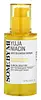 Key Ingredients
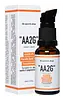
Benefits
Concerns
No concerns
Ingredients Side-by-side
Citrus Junos Fruit Extract 83%
Skin ConditioningNiacinamide 10%
Smoothing











Caprylic/Capric Triglyceride
Masking

1,2-Hexanediol
Skin Conditioning
Hydrogenated Poly(C6-14 Olefin)
EmollientBisabolol
Antioxidant
Carbomer
Emulsion StabilisingBrassica Campestris Seed Oil
Skin Conditioning

Xanthan Gum
EmulsifyingEthylhexylglycerin
Skin ConditioningAdenosine
Skin Conditioning
Citrus Junos Peel Oil
Astringent
Melia Azadirachta Flower Extract
Skin ConditioningOcimum Sanctum Leaf Extract
Skin ConditioningGlycyrrhiza Glabra Root Extract
Bleaching
Polyglyceryl-3 Diisostearate
Emulsifying

Melia Azadirachta Leaf Extract
Skin ConditioningWater
Skin ConditioningCurcuma Longa Root Extract
Masking
Glycerin
Humectant
Butylene Glycol
Humectant
Althaea Officinalis Root Extract
Skin Conditioning
Oryza Sativa Bran Extract
Skin Conditioning
3-O-Ethyl Ascorbic Acid
Skin Conditioning
Hydrogenated Lecithin
Emulsifying
Ficus Carica Fruit Extract
Humectant
Punica Granatum Fruit Extract
Antioxidant
Morus Alba Fruit Extract
Antioxidant
Ginkgo Biloba Nut Extract
Skin ConditioningTocopherol
Antioxidant
Polyglyceryl-10 Stearate
Skin Conditioning
Panthenol
Skin Conditioning
Sodium Ascorbyl Phosphate
Antioxidant
Biotin
AntiseborrhoeicFolic Acid
Skin ConditioningPyridoxine
Skin ConditioningCyanocobalamin
Skin ConditioningLinoleic Acid
Cleansing
Riboflavin
Cosmetic ColorantBeta-Carotene
Skin ConditioningInositol
Humectant
Thiamine Hcl
MaskingDisodium EDTA
Limonene
Perfuming



Linalool
Perfuming
Citrus Junos Fruit Extract 83%, Niacinamide 10%, Caprylic/Capric Triglyceride, 1,2-Hexanediol, Hydrogenated Poly(C6-14 Olefin), Bisabolol, Carbomer, Brassica Campestris Seed Oil, Xanthan Gum, Ethylhexylglycerin, Adenosine, Citrus Junos Peel Oil, Melia Azadirachta Flower Extract, Ocimum Sanctum Leaf Extract, Glycyrrhiza Glabra Root Extract, Polyglyceryl-3 Diisostearate, Melia Azadirachta Leaf Extract, Water, Curcuma Longa Root Extract, Glycerin, Butylene Glycol, Althaea Officinalis Root Extract, Oryza Sativa Bran Extract, 3-O-Ethyl Ascorbic Acid, Hydrogenated Lecithin, Ficus Carica Fruit Extract, Punica Granatum Fruit Extract, Morus Alba Fruit Extract, Ginkgo Biloba Nut Extract, Tocopherol, Polyglyceryl-10 Stearate, Panthenol, Sodium Ascorbyl Phosphate, Biotin, Folic Acid, Pyridoxine, Cyanocobalamin, Linoleic Acid, Riboflavin, Beta-Carotene, Inositol, Thiamine Hcl, Disodium EDTA, Limonene, Linalool
Water
Skin ConditioningPropanediol
Solvent
Ascorbyl Glucoside
Antioxidant
Ferulic Acid
Antimicrobial
Phenoxyethanol
Preservative
Tocotrienols
Skin Conditioning
Dipropylene Glycol
Humectant1,2-Hexanediol
Skin Conditioning
Tocopherol
Antioxidant
Hydroxypropyl Cyclodextrin
MaskingDipotassium Glycyrrhizate
Humectant
Ethylhexylglycerin
Skin ConditioningPolydextrose
HumectantXanthan Gum
EmulsifyingElaeis Guineensis Oil
Emollient
Aloe Barbadensis Leaf Juice
Skin Conditioning
Potassium Sorbate
Preservative
Sodium Benzoate
Masking
Maltodextrin
Absorbent
Water, Propanediol, Ascorbyl Glucoside, Ferulic Acid, Phenoxyethanol, Tocotrienols, Dipropylene Glycol, 1,2-Hexanediol, Tocopherol, Hydroxypropyl Cyclodextrin, Dipotassium Glycyrrhizate, Ethylhexylglycerin, Polydextrose, Xanthan Gum, Elaeis Guineensis Oil, Aloe Barbadensis Leaf Juice, Potassium Sorbate, Sodium Benzoate, Maltodextrin
Reviews
Ingredients Explained
These ingredients are found in both products.
Ingredients higher up in an ingredient list are typically present in a larger amount.
1,2-Hexanediol is a synthetic liquid and another multi-functional powerhouse.
It is a:
- Humectant, drawing moisture into the skin
- Emollient, helping to soften skin
- Solvent, dispersing and stabilizing formulas
- Preservative booster, enhancing the antimicrobial activity of other preservatives
Ethylhexylglycerin is created from glycerin. It is a multitasker ingredient that:
The CIR Expert Panel found minimal skin absorption or sensitization of any kind in a safety assessment. Though this ingredient is considered well-tolerated, a small number of cases of allergic dermatitis have been published since 2002. Just be sure to patch test if you are unsure.
Industry-reported use ranges from 8% in rinse-off products and 2% in leave-on formulations.
Learn more about EthylhexylglycerinTocopherol is a fat-soluble antioxidant known as Vitamin E.
You'll find this ingredient in the vast majority of skincare (for good reason). It works to neutralize free radicals, or unstable molecules generated by UV exposure, pollution, and other environmental stressors, before they can cause oxidative damage to your skin cells.
Topically applied tocopherol has been shown to protect against UV damage by ramping up the skin's own natural defense enzymes.
It also acts as a skin conditioning agent; some studies show that regular topical use can improve the skin's water-binding capacity over 2-4 weeks.
This ingredient is especially loved for being a team player. When combined with Vitamin C, the photoprotective effect of both ingredients roughly doubles and the combo also helps reduce UV-induced DNA damage.
This ingredient has some brightening potential but it's more of a prevention ingredient than spot-fader. Cell studies show it can slow down melanin production but it's worth noting that it's not the most powerful brightener out there.
In formulations, it also serves as a stabilizer that helps protect other oxidation-prone ingredients from degrading.
Concentrations usually range from 0.1-1% in most leave-on products.
Learn more about TocopherolWater. It's the most common cosmetic ingredient of all. You'll usually see it at the top of ingredient lists, meaning that it makes up the largest part of the product.
So why is it so popular? Water most often acts as a solvent - this means that it helps dissolve other ingredients into the formulation.
You'll also recognize water as that liquid we all need to stay alive. If you see this, drink a glass of water. Remember to stay hydrated!
Learn more about WaterXanthan gum is used as a stabilizer and thickener within cosmetic products. It helps give products a sticky, thick feeling - preventing them from being too runny.
On the technical side of things, xanthan gum is a polysaccharide - a combination consisting of multiple sugar molecules bonded together.
Xanthan gum is a pretty common and great ingredient. It is a natural, non-toxic, non-irritating ingredient that is also commonly used in food products.
Learn more about Xanthan Gum
