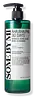
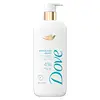
Some By Mi AHA BHA PHA 30 Days Miracle Acne Clear Body Cleanser Versus Dove Exfoliate Away Body Wash


What's inside
What's inside
 Key Ingredients
Benefits
Concerns
Ingredients Side-by-side
Water
Skin ConditioningLauric Acid
Cleansing




Glycerin
Humectant


Potassium Hydroxide
BufferingMyristic Acid
Cleansing
Sodium Chloride
MaskingSodium C14-16 Olefin Sulfonate
Cleansing
Lauryl Hydroxysultaine
CleansingBenzyl Glycol
SolventCoco-Betaine
Cleansing
Salicylic Acid
Masking







Eucalyptus Globulus Leaf Oil
Perfuming



Butylene Glycol
Humectant
Ethylhexylglycerin
Skin ConditioningMelia Azadirachta Leaf Extract
Skin ConditioningDisodium EDTA
ChelatingCoptis Japonica Root Extract
Skin Conditioning1,2-Hexanediol
Skin Conditioning
Melia Azadirachta Flower Extract
Skin ConditioningMelaleuca Alternifolia Leaf Water
Antimicrobial
Ethyl Hexanediol
SolventCentella Asiatica Extract
Cleansing

Asiaticoside
Antioxidant
Madecassic Acid
Skin Conditioning
Gluconolactone
Chelating
Citric Acid
Buffering
Asiatic Acid
Skin Conditioning
Mandelic Acid
Antimicrobial
Madecassoside
Antioxidant
Artemisia Vulgaris Extract
Skin Conditioning
Water, Lauric Acid, Glycerin, Potassium Hydroxide, Myristic Acid, Sodium Chloride, Sodium C14-16 Olefin Sulfonate, Lauryl Hydroxysultaine, Benzyl Glycol, Coco-Betaine, Salicylic Acid, Eucalyptus Globulus Leaf Oil, Butylene Glycol, Ethylhexylglycerin, Melia Azadirachta Leaf Extract, Disodium EDTA, Coptis Japonica Root Extract, 1,2-Hexanediol, Melia Azadirachta Flower Extract, Melaleuca Alternifolia Leaf Water, Ethyl Hexanediol, Centella Asiatica Extract, Asiaticoside, Madecassic Acid, Gluconolactone, Citric Acid, Asiatic Acid, Mandelic Acid, Madecassoside, Artemisia Vulgaris Extract
Water
Skin ConditioningCocamidopropyl Betaine
Cleansing
Glycerin
Humectant
Hydrated Silica
Abrasive
Acrylates Copolymer
Sodium Benzoate
Masking
Sodium Methyl Lauroyl Taurate
CleansingSodium Lauroyl Isethionate
CleansingLauric Acid
Cleansing
Sodium Chloride
MaskingParfum
Masking
Cocamide Mea
Emulsifying
Stearic Acid
Cleansing
Hydroxystearic Acid
Cleansing
Jojoba Esters
Emollient
Sodium Hydroxide
BufferingUndecylenoyl Glycine
CleansingCapryloyl Glycine
CleansingSodium Isethionate
CleansingTetrasodium EDTA
ChelatingGlyceryl Stearate
Emollient
Sodium Methyltaurate
Skin ConditioningSodium Sulfate
Caprylic Acid
CleansingLactic Acid
Buffering
Undecylenic Acid
Cleansing
Capric Acid
Cleansing
Zinc Oxide
Cosmetic Colorant

Palmitic Acid
Emollient
Arachidic Acid
Cleansing
Citric Acid
Buffering
Glycine
Buffering
Limonene
Perfuming
Linalool
Perfuming
CI 77007
Cosmetic ColorantWater, Cocamidopropyl Betaine, Glycerin, Hydrated Silica, Acrylates Copolymer, Sodium Benzoate, Sodium Methyl Lauroyl Taurate, Sodium Lauroyl Isethionate, Lauric Acid, Sodium Chloride, Parfum, Cocamide Mea, Stearic Acid, Hydroxystearic Acid, Jojoba Esters, Sodium Hydroxide, Undecylenoyl Glycine, Capryloyl Glycine, Sodium Isethionate, Tetrasodium EDTA, Glyceryl Stearate, Sodium Methyltaurate, Sodium Sulfate, Caprylic Acid, Lactic Acid, Undecylenic Acid, Capric Acid, Zinc Oxide, Palmitic Acid, Arachidic Acid, Citric Acid, Glycine, Limonene, Linalool, CI 77007
Reviews
Ingredients Explained
These ingredients are found in both products.
Ingredients higher up in an ingredient list are typically present in a larger amount.
Citric Acid is an alpha hydroxy acid (AHA) naturally found in citrus fruits like oranges, lemons, and limes.
Like other AHAs, citric acid can exfoliate skin by breaking down the bonds that hold dead skin cells together. This helps reveal smoother and brighter skin underneath.
However, this exfoliating effect only happens at high concentrations (20%) which can be hard to find in cosmetic products.
Due to this, citric acid is usually included in small amounts as a pH adjuster. This helps keep products slightly more acidic and compatible with skin's natural pH.
In skincare formulas, citric acid can:
While it can provide some skin benefits, research shows lactic acid and glycolic acid are generally more effective and less irritating exfoliants.
Most citric acid used in skincare today is made by fermenting sugars (usually from molasses). This synthetic version is identical to the natural citrus form but easier to stabilize and use in formulations.
Rosacea skin has a lower threshold for acids generally, with 62.5% of rosacea subjects in one study reacting to lactic acid in a sting test. This is why we mark citric acid as a potential rosacea trigger.
However, this ingredient shows up as a pH adjuster or chelator at roughly 0.1-1% in many products. These low levels are unlikely to be an issue for rosacea skin and becomes a potential trigger at exfoliating concentrations (20%). Because everybody's skin is unique, we recommend a patch test if you are unsure.
Learn more about Citric AcidGlycerin (or glycerol) is a compound naturally found in your skin. It's a powerhouse humectant that pulls water into the stratum corneum.
Topically, glycerin does several things at once:
Your skin makes glycerin on its own (mostly from sebaceous oil breakdown) and shuttles it to your outermost layer of skin, or your epidermis, via aquaporin-3.
Aquaporin-3 is a transporter that is essential for normal skin hydration, elasticity, and repair. Interestingly, mice lacking in AQP3 have dry and less elastic skin that can be fully corrected with glycerin.
This ingredient is non-irritating, plays well with almost every ingredient, and works across all skin types. Typical use is anywhere between 3-10% but can go up to 79% in some leave-on products.
Just know very high concentrations (>40%) can feel tacky in low humidity.
Glycerin is the name for this ingredient in American English. British English uses Glycerol/Glycerine.
Learn more about GlycerinLauric Acid is a saturated fatty acid naturally found in coconut oil, palm kernel oil, and even breast milk.
In cosmetics, it is an:
Lab studies have found that lauric acid is surprisingly good at killing acne-causing bacteria. However, these tests were done on bacteria in a petri dish and not on real skin, so we can't say for certain it works the same in a formulation on a real face.
The comedogenic rating of 4 comes from the 1972 rabbit ear model using undiluted ingredients. Comedogenicity is highly individual and one comedogenic ingredient cannot predict how a formula will behave on skin.
This ingredient is not fungal acne safe and research has confirmed Malassezia can use it as a food source. Even though "fungal acne" has the word "acne" in it, they are completely different. Regular acne is driven by a bacteria called Cutibacterium acnes, clogged pores, and excess oil. Fungal acne isn't really acne; it's caused by an overgrowth of a yeast called Malassezia that already lives on everyone's skin. Because one is bacterial and the other is fungal, they respond to different ingredients.
Learn more about Lauric AcidChances are, you eat sodium chloride every day. Sodium Chloride is also known as table salt. This ingredient has many purposes in skincare: thickener, emulsifier, and exfoliator.
You'll most likely find this ingredient in cleansers where it is used to create a gel-like texture. As an emulsifier, it also prevents ingredients from separating.
You might see people debate whether Sodium Chloride is comedogenic, but there actually haven't been any comedogenic tests done on it. Either way, the overall formulation of a product matters a lot more than any single ingredient.
You might see this ingredient used in scrubs as a primary exfoliating ingredient.
Learn more about Sodium ChlorideWater. It's the most common cosmetic ingredient of all. You'll usually see it at the top of ingredient lists, meaning that it makes up the largest part of the product.
So why is it so popular? Water most often acts as a solvent - this means that it helps dissolve other ingredients into the formulation.
You'll also recognize water as that liquid we all need to stay alive. If you see this, drink a glass of water. Remember to stay hydrated!
Learn more about Water

