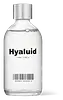
This hydrating serum is formulated around Sodium Hyaluronate and Niacinamide to hydrate skin and strengthen the skin barrier.
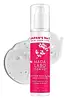
This anti-aging treatment is formulated around Sodium Hyaluronate and Retinyl Palmitate to soften the look of wrinkles and hydrate skin.


What's inside
What's inside
 Key Ingredients
Benefits
Concerns
Ingredients Side-by-side
Erythritol
Humectant
1,2-Hexanediol
Skin Conditioning
Propanediol
Solvent
Sodium Hyaluronate
Humectant


Caesalpinia Spinosa Fruit Extract
Skin ProtectingChlorphenesin
Antimicrobial
Niacinamide
Smoothing








Betaine
Humectant
Allantoin
Skin Conditioning
Kappaphycus Alvarezii Extract
Skin Conditioning

Hydrolyzed Collagen
Emollient
Asiaticoside
Antioxidant
Glycerin
Humectant
Adenosine
Skin Conditioning
Xylitylglucoside
Humectant
Ethylhexylglycerin
Skin ConditioningAnhydroxylitol
Humectant
Butylene Glycol
Humectant
Dextrin
AbsorbentXylitol
Humectant
3-O-Ethyl Ascorbic Acid
Skin Conditioning
Panthenol
Skin Conditioning
Hydrolyzed Elastin
EmollientGlucose
Humectant
Pentylene Glycol
Skin Conditioning
Cynanchum Atratum Extract
Skin ConditioningSodium Chloride
MaskingMadecassoside
Antioxidant
Sodium Deoxycholate
Skin ConditioningDisodium Phosphate
BufferingSodium Phosphate
BufferingHydroxypropyltrimonium Hyaluronate
Sr-(Oligopeptide-91 Clostridium Botulinum Polypeptide-1)
Skin Conditioning
Polysorbate 20
Emulsifying

Sodium Acetylated Hyaluronate
Humectant
Hydrolyzed Hyaluronic Acid
Humectant
Lecithin
Emollient
Phosphatidylcholine
EmulsifyingAcetyl Hexapeptide-8
Humectant
Palmitoyl Tripeptide-1
Skin Conditioning
Hyaluronic Acid
Humectant
Sodium Hyaluronate Crosspolymer
Humectant
Copper Tripeptide-1
Skin Conditioning
Hydrolyzed Sodium Hyaluronate
Skin Conditioning
Potassium Hyaluronate
Skin ConditioningSh-Oligopeptide-2
Skin Conditioning
Sh-Polypeptide-1
Skin Conditioning
Sh-Polypeptide-2
Skin Conditioning
Erythritol, 1,2-Hexanediol, Propanediol, Sodium Hyaluronate, Caesalpinia Spinosa Fruit Extract, Chlorphenesin, Niacinamide, Betaine, Allantoin, Kappaphycus Alvarezii Extract, Hydrolyzed Collagen, Asiaticoside, Glycerin, Adenosine, Xylitylglucoside, Ethylhexylglycerin, Anhydroxylitol, Butylene Glycol, Dextrin, Xylitol, 3-O-Ethyl Ascorbic Acid, Panthenol, Hydrolyzed Elastin, Glucose, Pentylene Glycol, Cynanchum Atratum Extract, Sodium Chloride, Madecassoside, Sodium Deoxycholate, Disodium Phosphate, Sodium Phosphate, Hydroxypropyltrimonium Hyaluronate, Sr-(Oligopeptide-91 Clostridium Botulinum Polypeptide-1), Polysorbate 20, Sodium Acetylated Hyaluronate, Hydrolyzed Hyaluronic Acid, Lecithin, Phosphatidylcholine, Acetyl Hexapeptide-8, Palmitoyl Tripeptide-1, Hyaluronic Acid, Sodium Hyaluronate Crosspolymer, Copper Tripeptide-1, Hydrolyzed Sodium Hyaluronate, Potassium Hyaluronate, Sh-Oligopeptide-2, Sh-Polypeptide-1, Sh-Polypeptide-2
Water
Skin ConditioningButylene Glycol
Humectant
Glycerin
Humectant
PEG-20 Sorbitan Isostearate
Emulsifying
Phenoxyethanol
Preservative
PEG-60 Hydrogenated Castor Oil
Emulsifying
Triethylhexanoin
MaskingPropanediol
Solvent
PPG-10 Methyl Glucose Ether
Skin ConditioningSodium Hyaluronate
Humectant
Hydroxyethylcellulose
Emulsion StabilisingTocopherol
Antioxidant
BHT
Antioxidant
Disodium EDTA
ChelatingRetinyl Palmitate
Skin Conditioning
Hydrolyzed Collagen
Emollient
Caprylhydroxamic Acid
ChelatingHelianthus Annuus Seed Oil
Emollient
Hydrolyzed Hyaluronic Acid
Humectant
Sodium Acetylated Hyaluronate
Humectant
Benzoic Acid
Masking
Sorbic Acid
Preservative
Zea Mays Oil
Emulsifying
Thioctic Acid
Antioxidant
Beta-Carotene
Skin ConditioningSodium Hyaluronate Crosspolymer
Humectant
Pentylene Glycol
Skin Conditioning
Water, Butylene Glycol, Glycerin, PEG-20 Sorbitan Isostearate, Phenoxyethanol, PEG-60 Hydrogenated Castor Oil, Triethylhexanoin, Propanediol, PPG-10 Methyl Glucose Ether, Sodium Hyaluronate, Hydroxyethylcellulose, Tocopherol, BHT, Disodium EDTA, Retinyl Palmitate, Hydrolyzed Collagen, Caprylhydroxamic Acid, Helianthus Annuus Seed Oil, Hydrolyzed Hyaluronic Acid, Sodium Acetylated Hyaluronate, Benzoic Acid, Sorbic Acid, Zea Mays Oil, Thioctic Acid, Beta-Carotene, Sodium Hyaluronate Crosspolymer, Pentylene Glycol
Reviews
Ingredients Explained
These ingredients are found in both products.
Ingredients higher up in an ingredient list are typically present in a larger amount.
Butylene Glycol (or BG) is used within cosmetic products for a few different reasons:
Overall, Butylene Glycol is a safe and well-rounded ingredient that works well with other ingredients.
Though this ingredient works well with most skin types, some people with sensitive skin may experience a reaction such as allergic rashes, closed comedones, or itchiness.
Learn more about Butylene GlycolGlycerin (or glycerol) is a compound naturally found in your skin. It's a powerhouse humectant that pulls water into the stratum corneum.
Topically, glycerin does several things at once:
Your skin makes glycerin on its own (mostly from sebaceous oil breakdown) and shuttles it to your outermost layer of skin, or your epidermis, via aquaporin-3.
Aquaporin-3 is a transporter that is essential for normal skin hydration, elasticity, and repair. Interestingly, mice lacking in AQP3 have dry and less elastic skin that can be fully corrected with glycerin.
This ingredient is non-irritating, plays well with almost every ingredient, and works across all skin types. Typical use is anywhere between 3-10% but can go up to 79% in some leave-on products.
Just know very high concentrations (>40%) can feel tacky in low humidity.
Glycerin is the name for this ingredient in American English. British English uses Glycerol/Glycerine.
Learn more about GlycerinHydrolyzed Collagen is Collagen (usually sourced from fish, bovine, or porcine byproducts) that's been broken down into smaller peptides. This makes it water-soluble and easy to blend into formulations.
In a formula, it works mainly as a skin-conditioning and moisturizing agent.
The small peptides and amino acids (including Natural Moisturizing Factor components like Hydroxyproline, Serine, and Aspartic Acid) help the surface of the skin hold onto water, feel softer, and look temporarily plumper.
This ingredient also has mild film-forming and antioxidant properties with research showing the antioxidant effect is stronger the lower the molecular weight of the peptides.
It's worth being realistic here:
Topically applied Hydrolyzed Collagen conditions the upper layers of skin rather than rebuilding the structural collagen deep in your dermis (the wrinkle-and-firmness benefits people associate with Collagen mostly come from oral supplements in studies, not topicals).
However, recent lab and skin-model work on Hydrolyzed Fish Collagen has shown promising effects on cell viability and wound healing when used as an active.
Typical concentrations range from 0.2-2%, but the percentage can go much higher in rinse-off or hair products (sometimes even above 50%).
Clinical studies on this ingredient showed no irritation, sensitization, or phototoxicity.
If you are looking for vegan collagen, it usually goes by a different INCI name like hydrolyzed soy protein. Vegan collagen is derived from yeast, bacteria, or plant sources.
The results are varied.
A study from 2021 found hydrolyzed collagen increased elasticity and improved wrinkles in 1,125 participants between age 20 and 70. Another study found increased skin thickness in participants between the ages of 45 to 59.
However, It is difficult to prove that oral collagen will end up working on your skin. Many of the studies using hydrolyzed collagen also add several vitamins and nutrients into the test mixture as well.
Further studies are needed at this time.
Learn more about Hydrolyzed CollagenHydrolyzed Hyaluronic Acid is hyaluronic acid (HA) that is broken down into lower molecular weight fragments.
It's a humectant that pulls and holds water in the skin to help with hydration, plumpness, and reduce transepidermal water loss.
Because hydrolyzed hyaluronic acid is smaller in size, it can slip past your outermost layer of skin more easily than full-sized HA.
Most formulations will combine all sizes to get the best of both worlds.
Typical usage levels range from 0.01-1%. Any percentage higher than 2% might become goopy and tacky.
Learn more about Hydrolyzed Hyaluronic AcidPentylene Glycol (1,2-pentanediol) is a multitasking little diol with three main roles in a formula:
Research on alkanediols (the family pentylene glycol belongs to) show they work by disrupting microbial cell membranes. This disruption helps the primary preservative system in a product work more effectively at lower doses.
On the safety side, the Cosmetic Ingredient Review Expert Panel has concluded this ingredient to be safe as used in current cosmetic practices + concentrations.
Typical use levels in a formula run about 1-5%.
Learn more about Pentylene GlycolPropanediol is an all-star ingredient. It softens, hydrates, and smooths the skin.
It’s often used to:
Propanediol is not likely to cause sensitivity and considered safe to use. It is derived from corn or petroleum with a clear color and no scent.
Learn more about PropanediolSodium Acetylated Hyaluronate is a type of Hyaluronic Acid.
Hyaluronic Acids help moisturize, soothe, and protect the skin.
Read about common types of Hyaluronic Acid here:
Learn more about Sodium Acetylated HyaluronateSodium Hyaluronate is the salt form of hyaluronic acid. It is a long sugar chain that is naturally found in your skin, joints, and connective tissue that maintains hydration and elasticity.
In skincare, it works as a humectant. It pulls water from the environment and deeper layers of skin and binds it to the surface.
Interestingly, the size of the molecule affects its behavior:
Some clinical evidence links low molecular weight versions to improved wrinkle depth, elasticity, anti-inflammatory effects, and barrier repair.
Many serums use a blend of both weights so you can get surface hydration plus longer-lasting and deeper effects.
You'll typically see concentrations between 0.1-2% for this ingredient.
Learn more about Sodium HyaluronateSodium Hyaluronate Crosspolymer is a crosslinked version of sodium hyaluronate. This just means it's linked into a 3D mesh network that lets it be more stable and sit on skin as a cohesive, gel-like film rather than sinking into skin.
A 2016 human skin study found crosslinked HA increased epidermal water content by 7.6% over the control group and reduced transepidermal water loss by 27.8%.
A follow-up clinical trial found that a topical crosslinked HA serum applied after fillers, microneedling, or chemical peels was well-tolerated and enhanced skin quality at 14 / 28 days.
More recent research suggests that concentrations as low as 0.03% can act as a penetration enhancer for other skincare actives.
Learn more about Sodium Hyaluronate Crosspolymer

