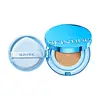
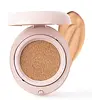
Skintific Perfect Stay Velvet Matte Cushion Versus Happy Skin Cosmetics Second Skin Matte Serum Cushion Foundation SPF15


What's inside
What's inside
 Key Ingredients
Benefits
Concerns
Ingredients Side-by-side
Water
Skin ConditioningCyclopentasiloxane
Emollient
CI 77891
Cosmetic ColorantTrimethylsiloxysilicate
Emollient
Butylene Glycol
Humectant

Cyclohexasiloxane
Emollient
Polyglyceryl-3 Diisostearate
Emulsifying




Synthetic Fluorphlogopite
PEG-10 Dimethicone
Skin Conditioning
Isododecane
EmollientNiacinamide
Smoothing










Copper Tripeptide-1
Skin Conditioning
Disteardimonium Hectorite
StabilisingAstaxanthin
Skin Conditioning
Tocopherol
Antioxidant

PEG/PPG-18/18 Dimethicone
Emulsifying
Triethoxycaprylylsilane
CI 77492
Cosmetic ColorantPolymethylsilsesquioxane
Ergothioneine
Antioxidant
Betaine
Humectant
Propylene Carbonate
SolventCaprylyl Glycol
Emollient
CI 77491
Cosmetic ColorantGlutathione
CI 77499
Cosmetic ColorantEthylhexylglycerin
Skin ConditioningMagnesium Sulfate
Phenoxyethanol
Preservative
Tribehenin
Emollient
Aluminum Hydroxide
EmollientTricholoma Matsutake Extract
Skin ConditioningPentylene Glycol
Skin Conditioning
Water, Cyclopentasiloxane, CI 77891, Trimethylsiloxysilicate, Butylene Glycol, Cyclohexasiloxane, Polyglyceryl-3 Diisostearate, Synthetic Fluorphlogopite, PEG-10 Dimethicone, Isododecane, Niacinamide, Copper Tripeptide-1, Disteardimonium Hectorite, Astaxanthin, Tocopherol, PEG/PPG-18/18 Dimethicone, Triethoxycaprylylsilane, CI 77492, Polymethylsilsesquioxane, Ergothioneine, Betaine, Propylene Carbonate, Caprylyl Glycol, CI 77491, Glutathione, CI 77499, Ethylhexylglycerin, Magnesium Sulfate, Phenoxyethanol, Tribehenin, Aluminum Hydroxide, Tricholoma Matsutake Extract, Pentylene Glycol
Water
Skin ConditioningCI 77891
Cosmetic ColorantButylene Glycol
Humectant
Dimethicone/Bis-Isobutyl PPG-20 Crosspolymer
Emollient
Cyclomethicone
Emollient
Dimethicone
Emollient
Pentylene Glycol
Skin Conditioning
Dipentaerythrityl Pentaisononanoate
EmollientEthylhexyl Methoxycinnamate
UV Absorber


Isononyl Isononanoate
EmollientCaprylyl Methicone
Skin Conditioning
Tricaprylin
Perfuming

Magnesium Silicate
AbsorbentLauryl PEG-10 Tris(Trimethylsiloxy)Silylethyl Dimethicone
Emulsifying
Polymethyl Methacrylate
Polymethylsilsesquioxane
Sodium Acrylates Copolymer
Cetyl PEG/PPG-10/1 Dimethicone
Emulsifying
Isohexadecane
EmollientCrambe Abyssinica Seed Oil
Skin Conditioning
Beta-Carotene
Skin ConditioningXanthophylls
Skin ConditioningTocopherol
Antioxidant
Helianthus Annuus Seed Oil
Emollient
Rosmarinus Officinalis Leaf Extract
AntimicrobialNiacinamide
Smoothing
Hyaluronic Acid
Humectant
Caryodendron Orinocense Seed Oil
Emollient
Squalane
Emollient
Phenoxyethanol
Preservative
Lecithin
Emollient
Dimethicone/Vinyl Dimethicone Crosspolymer
Skin Conditioning
Sodium Chloride
MaskingSorbitan Caprylate
EmulsifyingWater, CI 77891, Butylene Glycol, Dimethicone/Bis-Isobutyl PPG-20 Crosspolymer, Cyclomethicone, Dimethicone, Pentylene Glycol, Dipentaerythrityl Pentaisononanoate, Ethylhexyl Methoxycinnamate, Isononyl Isononanoate, Caprylyl Methicone, Tricaprylin, Magnesium Silicate, Lauryl PEG-10 Tris(Trimethylsiloxy)Silylethyl Dimethicone, Polymethyl Methacrylate, Polymethylsilsesquioxane, Sodium Acrylates Copolymer, Cetyl PEG/PPG-10/1 Dimethicone, Isohexadecane, Crambe Abyssinica Seed Oil, Beta-Carotene, Xanthophylls, Tocopherol, Helianthus Annuus Seed Oil, Rosmarinus Officinalis Leaf Extract, Niacinamide, Hyaluronic Acid, Caryodendron Orinocense Seed Oil, Squalane, Phenoxyethanol, Lecithin, Dimethicone/Vinyl Dimethicone Crosspolymer, Sodium Chloride, Sorbitan Caprylate
Reviews
Ingredients Explained
These ingredients are found in both products.
Ingredients higher up in an ingredient list are typically present in a larger amount.
Butylene Glycol (or BG) is used within cosmetic products for a few different reasons:
Overall, Butylene Glycol is a safe and well-rounded ingredient that works well with other ingredients.
Though this ingredient works well with most skin types, some people with sensitive skin may experience a reaction such as allergic rashes, closed comedones, or itchiness.
Learn more about Butylene GlycolCi 77891 is a white pigment from Titanium dioxide. It is naturally found in minerals such as rutile and ilmenite.
It's main function is to add a white color to cosmetics. It can also be mixed with other colors to create different shades.
Ci 77891 is commonly found in sunscreens due to its ability to block UV rays.
Learn more about CI 77891Niacinamide is a multitasking form of vitamin B3 that strengthens the skin barrier, reduces pores and dark spots, regulates oil, and improves signs of aging.
And the best part? It's gentle and well-tolerated by most skin types, including sensitive and reactive skin.
You might have heard of "niacin flush", or the reddening of skin that causes itchiness. Niacinamide has not been found to cause this.
In very rare cases, some individuals may not be able to tolerate niacinamide at all or experience an allergic reaction to it.
If you are experiencing flaking, irritation, and dryness with this ingredient, be sure to double check all your products as this ingredient can be found in all categories of skincare.
When incorporating niacinamide into your routine, look out for concentration amounts. Typically, 5% niacinamide provides benefits such as fading dark spots. However, if you have sensitive skin, it is better to begin with a smaller concentration.
When you apply niacinamide to your skin, your body converts it into nicotinamide adenine dinucleotide (NAD). NAD is an essential coenzyme that is already found in your cells as "fuel" and powers countless biological processes.
In your skin, NAD helps repair cell damage, produce new healthy cells, support collagen production, strengthen the skin barrier, and fight environmental stressors (like UV and pollution).
Our natural NAD levels start to decline with age, leading to slower skin repair, visible aging, and a weaker skin barrier. By providing your skin niacinamide, you're recharging your skin's NAD levels. This leads to stronger, healthier, and younger looking skin.
Another name for vitamin B3 is nicotinamide. This vitamin is water-soluble and our bodies don't store it. We obtain Vitamin B3 from either food or skincare. Meat, fish, wheat, yeast, and leafy greens contain vitamin B3.
The type of niacinamide used in skincare is synthetically created.
Learn more about NiacinamidePentylene Glycol (1,2-pentanediol) is a multitasking little diol with three main roles in a formula:
Research on alkanediols (the family pentylene glycol belongs to) show they work by disrupting microbial cell membranes. This disruption helps the primary preservative system in a product work more effectively at lower doses.
On the safety side, the Cosmetic Ingredient Review Expert Panel has concluded this ingredient to be safe as used in current cosmetic practices + concentrations.
Typical use levels in a formula run about 1-5%.
Learn more about Pentylene GlycolPhenoxyethanol is one of the most widely used preservatives in skincare (and for good reason!).
It has a large spectrum of antimicrobial activity and especially effective bacteria, yeast, and mold while only having a weak effect on your skin's natural microbiome.
On a cellular level, it disrupts the cell membranes of microbes by poking holes that make the cell leak. This shuts down the chemical reactions the microbe needs to make energy so it can no longer survive.
Another perk of this ingredient is that it stays functional across a wide pH range (3-10).
You'll often see it paired with boosters like Ethylhexylglycerin; one study showed that a 1:9 ratio of Ethylhexylglycerin to Phenoxyethanol damages bacterial membranes as effectively as doubling the Phenoxyethanol concentration on its own.
Typical use concentrations range from 0.3-1% depending on the formula, and this ingredient is capped at 1% int the EU.
Safety-wise, the fear mongering does not hold up to the evidence. The EU's Scientific Committee on Consumer Safety and FDA consider it safe as a preservative at up to 1%, including for children of all ages.
Adverse systemic effects only showed up in animal studies at exposures roughly 200x higher than what people get from cosmetics. And despite its very widespread use, this ingredient is a rare sensitizer and allergic reactions are uncommon.
Learn more about PhenoxyethanolPolymethylsilsesquioxane is a silicone used as a film forming agent.
When applied to the skin, this ingredient creates an invisible film on the surface. This film still allows oxygen to pass through, but prevents moisture from escaping. This can help condition and hydrate the skin. It also leaves a silky feel when applied.
Polymethylsilsesquioxane has not been shown to clog pores. It has been deemed safe to use up to 55%, but most cosmetics use much less.
If you have concerns about using this ingredient, we recommend speaking with a professional.
Learn more about PolymethylsilsesquioxaneTocopherol is a fat-soluble antioxidant known as Vitamin E.
You'll find this ingredient in the vast majority of skincare (for good reason). It works to neutralize free radicals, or unstable molecules generated by UV exposure, pollution, and other environmental stressors, before they can cause oxidative damage to your skin cells.
Topically applied tocopherol has been shown to protect against UV damage by ramping up the skin's own natural defense enzymes.
It also acts as a skin conditioning agent; some studies show that regular topical use can improve the skin's water-binding capacity over 2-4 weeks.
This ingredient is especially loved for being a team player. When combined with Vitamin C, the photoprotective effect of both ingredients roughly doubles and the combo also helps reduce UV-induced DNA damage.
This ingredient has some brightening potential but it's more of a prevention ingredient than spot-fader. Cell studies show it can slow down melanin production but it's worth noting that it's not the most powerful brightener out there.
In formulations, it also serves as a stabilizer that helps protect other oxidation-prone ingredients from degrading.
Concentrations usually range from 0.1-1% in most leave-on products.
Learn more about TocopherolWater. It's the most common cosmetic ingredient of all. You'll usually see it at the top of ingredient lists, meaning that it makes up the largest part of the product.
So why is it so popular? Water most often acts as a solvent - this means that it helps dissolve other ingredients into the formulation.
You'll also recognize water as that liquid we all need to stay alive. If you see this, drink a glass of water. Remember to stay hydrated!
Learn more about Water

